
Belvì — small mountain comune in the Province of Nuoro, Sardinia
Belvì (Sardinian: Brebì) is a small mountain town and comune in Nuoro province, Sardinia, Italy. Known for its rural character, it had about 634 residents in 2016 and sits at 787 m elevation.
Overview
Belvì (Sardinian: Brebì) is a small town and comune in the Province of Nuoro. It lies on the island of Sardinia in central Italy and is part of the island's network of inland mountain villages. Administratively it is listed as a town or comune, and it appears in regional references to the local municipality and community centres.
Image gallery
2 Images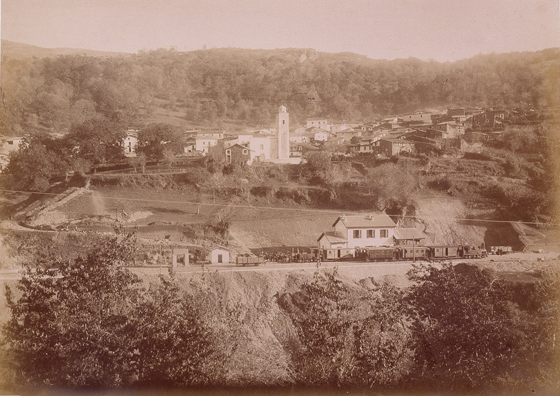

Geography and demographics
Belvì occupies a modest area of about 18.1 km² and stands at roughly 787 metres above sea level. As recorded in 2016 the population was approximately 634 inhabitants. The village sits within the hilly and often forested interior of the island, characteristic of the Nuoro province, and experiences a mountain-influenced Mediterranean climate.
- Province: Nuoro
- Region: Sardinia
- Country: Italy
- Area: 18.1 km²
- Elevation: 787 m
- Population (2016): about 634
History and development
The documented history of Belvì follows patterns common to many inland Sardinian settlements: long-standing rural communities shaped by agriculture, pastoralism and local craft traditions. While small, such towns often preserve vernacular architecture and local customs that reflect centuries of island life. Over recent decades, Belvì — like other interior communes — has faced demographic change as younger people move toward larger towns and the coast.
Economy, culture and points of interest
The local economy is typically based on small-scale farming, livestock and services that support residents and visitors. Cultural life centers on religious festivals, community events and the maintenance of Sardinian language and traditions; the Sardinian name Brebì is still used locally. Rural tourism, hiking and cultural visits contribute to the village's contemporary profile for visitors seeking quieter, traditional Sardinian settings.
Administration and visiting
As a comune within the Province of Nuoro, Belvì has a municipal council and local services serving its population. Visitors usually reach it via regional roads that connect the island's interior to larger towns and the coast. For regional and administrative details consult provincial and regional sources; local visitor information can often be obtained from municipal offices or regional tourism resources.
For further administrative listings and maps see the province and regional references linked above.
Tags
Related articles
Author
AlegsaOnline.com Belvì — small mountain comune in the Province of Nuoro, Sardinia Leandro Alegsa
URL: https://en.alegsaonline.com/art/10418
Sources
- istat.it : "Superficie di Comuni Province e Regioni italiane al 9 ottobre 2011"
- demo.istat.it : "Popolazione Residente al 1° Gennaio 2018"
- demo.istat.it : Istituto Nazionale di Statistica - Bilancio demografico al 30/11/2016