
Valentin Rasputin: Russian novelist of Siberian village life
Overview of Valentin G. Rasputin (1937–2015), a leading figure of Soviet 'village prose' whose novels and stories depicted rural Siberia, ethical dilemmas, and cultural change.
Valentin Grigoriyevich Rasputin (15 March 1937 – 14 March 2015) was a Russian novelist and short‑story writer closely associated with the so‑called "village prose" movement. Born and raised in the Irkutsk region of eastern Siberia, Rasputin made the landscapes, rhythms and moral struggles of rural life the centrepiece of his fiction. He is widely remembered for works that examine the consequences of social change for small communities and for individuals caught between tradition and modernity.
Image gallery
3 Images
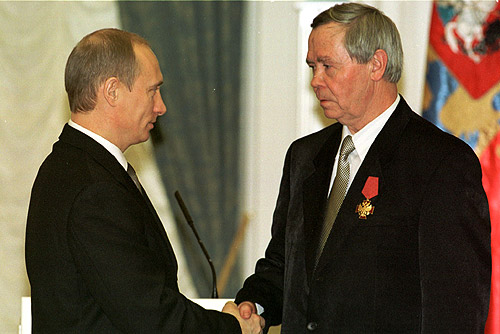

Themes and style
Rasputin's writing is marked by plainspoken realism, emotional intensity and a strong sense of place. His narratives often follow villagers confronting moral questions: how to preserve family ties and customary ways when faced with development, depopulation or external pressures. He combined natural description with intense psychological portraiture, using local customs and seasonal detail to illuminate universal ethical dilemmas. Critics and readers have noted his frequent treatment of the loss of older forms of community life and his sympathy for rooted, intergenerational bonds.
Major works and subjects
Among Rasputin's best‑known pieces are the novella Live and Remember and the novel Farewell to Matyora. Farewell to Matyora, in particular, dramatizes the destruction of a riverside village threatened by reservoir construction and has been read as both a paean to vanished ways of life and a protest against environmentally and culturally disruptive modernization. Many of his stories feature characters who have become alienated from their native places after moving to cities, or who are struggling to keep simple, traditional skills and rituals alive.
Historical context and reception
Rasputin wrote in the later Soviet period, when debates about industrialization, ecology and national identity were intensifying. As part of the broader village prose tendency, his work drew attention to rural experience at a time when Soviet policy privileged urban and industrial growth. That stance won him broad popular readership; it also led to debate. Supporters praised his moral seriousness and environmental sensitivity, while some critics regarded his outlook as conservative or nostalgic. His fiction, however, has persisted in translation and study for its vivid depiction of Siberian life.
Legacy and influence
Rasputin's books contributed to public conversations about development, the fate of peasant communities and the ethical costs of progress. His focus on landscape and memory influenced later Russian writers and helped to popularize literary attention to ecological and cultural preservation. Translations of his work brought him international readers, and adaptations of his fiction for stage and screen introduced his themes to wider audiences.
Further reading and resources
- Biographical overview and bibliography
- Critical essays and analyses of major works
- Excerpts and translations
- Context on village prose and Soviet-era debates
Rasputin died in Moscow on 14 March 2015, one day before his 78th birthday. His fiction remains a key reference for readers and scholars interested in the moral questions raised by rapid social change and in literary portrayals of Siberia's rural communities.
Related articles
Author
AlegsaOnline.com Valentin Rasputin: Russian novelist of Siberian village life Leandro Alegsa
URL: https://en.alegsaonline.com/art/103988
Sources
- lenta.ru : "Умер писатель Валентин Распутин"