
Valentin de Boulogne (Jean Valentin) — French Caravaggisti Painter
Valentin de Boulogne (baptised 3 Jan 1591–1632) was a French painter active in Rome, known for Caravaggesque naturalism, dramatic chiaroscuro, intimate genre scenes and religious compositions.
Overview
Valentin de Boulogne, born Jean Valentin and often called Le Valentin, was a French painter baptised on 3 January 1591 and who died on 19 August 1632. A French artist by origin, he spent the decisive part of his career in Italy and is remembered as one of the prominent followers of the Caravaggisti — painters who adopted the dramatic light and naturalism of Caravaggio. He combined close observation of everyday life with theatrical lighting to produce immediate, emotionally charged pictures.
Image gallery
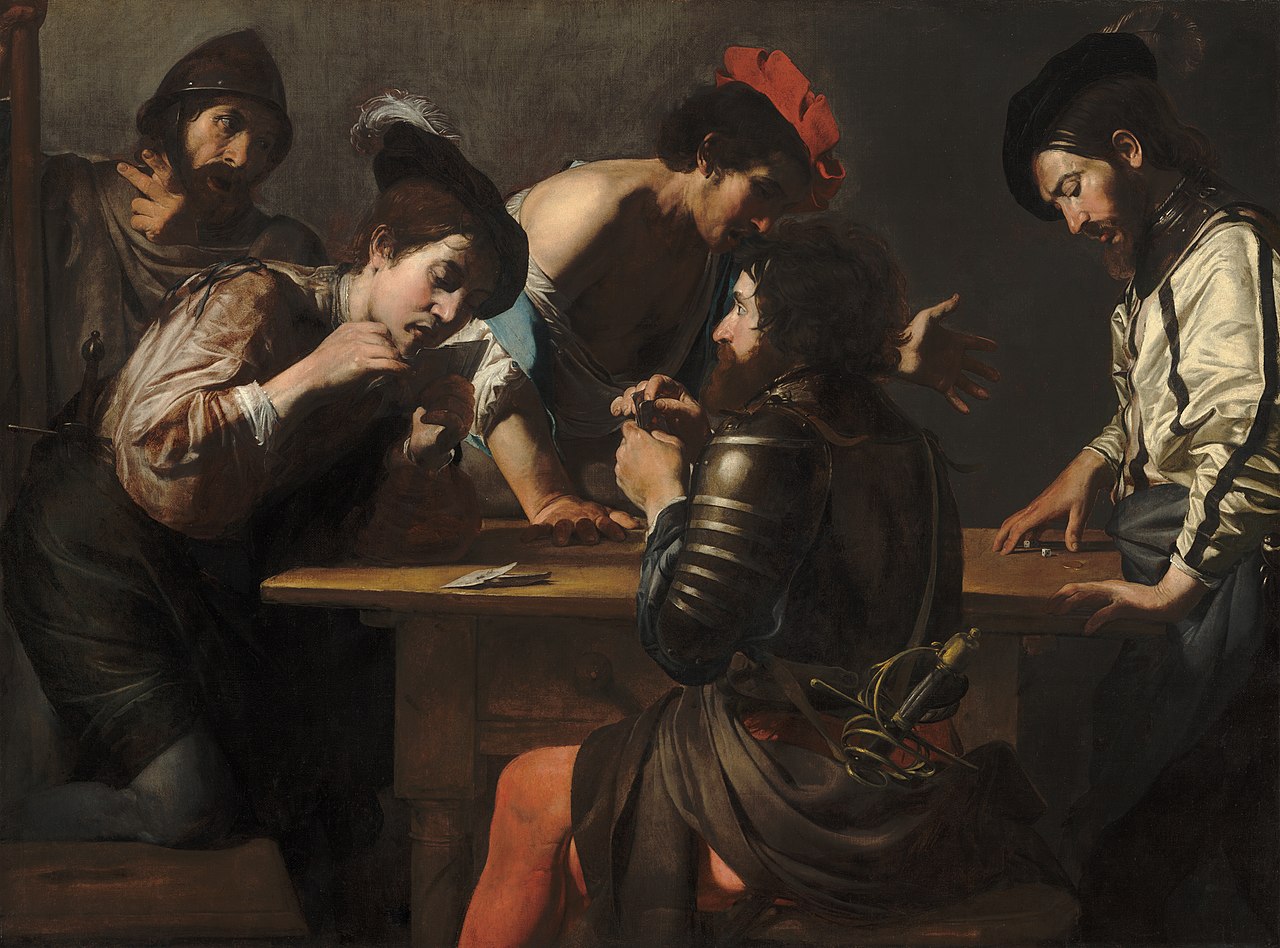
10 Images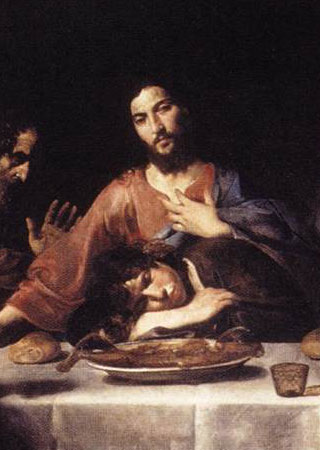



Life and training
Valentin received early instruction in France; among his teachers was the French painter Simon Vouet, who himself had strong ties to Italian art. In his twenties Valentin moved to Rome, where he joined an international circle of painters and worked alongside other artists who were interpreting and spreading Caravaggio’s innovations. Personal details of his life are relatively sparse, but his Roman period is well-documented through surviving paintings and records of patrons.
Style and influences
Valentin is chiefly known for a restrained but powerful use of tenebrism — stark contrasts between light and dark — and for a sober naturalism in the depiction of figures. He followed the example of Michelangelo Merisi da Caravaggio and of Bartolomeo Manfredi, who reduced complex compositions to compact, direct scenes focused on human interaction. Valentin’s work often features limited palettes, strong highlights, and close, almost theatrical groupings of figures.
Subjects and technique
He painted both religious subjects and small-scale genre scenes: intimate conversations, card-players, soldiers, musicians and humble religious episodes. His technique favors clear narratives rendered with economical brushwork and psychological nuance. The artist sought authenticity in gestures and faces, making viewers feel present in the moment depicted.
Legacy and distinctions
Though not as widely known as Caravaggio himself, Valentin is regarded as an important interpreter of Caravaggesque ideas in Rome. His paintings influenced contemporaries and later collectors who appreciated the emotional immediacy and realism he achieved. Modern scholarship considers him a key figure among the French artists who absorbed Roman innovations and helped transmit them back to France and beyond.
Characteristics at a glance
- Nationality: French painter active in Rome (French).
- Dates: baptised 3 January 1591 — died 19 August 1632.
- Influences: Caravaggio, Bartolomeo Manfredi; teacher Simon Vouet.
- Notable traits: tenebrism, naturalism, intimate genre and religious scenes.
Related articles
Author
AlegsaOnline.com Valentin de Boulogne (Jean Valentin) — French Caravaggisti Painter Leandro Alegsa
URL: https://en.alegsaonline.com/art/103984