
Valentin Huot — French road racing cyclist (1929–2017)
Valentin Huot was a French road racer, two-time national champion (1957–1958). Born in Creyssensac-et-Pissot, he remained a noted figure in Dordogne cycling and died in 2017.

Valentin Huot (1 May 1929 – 21 November 2017) was a French road cyclist best known for winning the French national road race championship in consecutive years, 1957 and 1958. Born in Creyssensac-et-Pissot in the Dordogne department, Huot competed during the postwar era of European road racing and is remembered regionally for his national success and long association with cycling in southwestern France.
Image gallery
2 Images
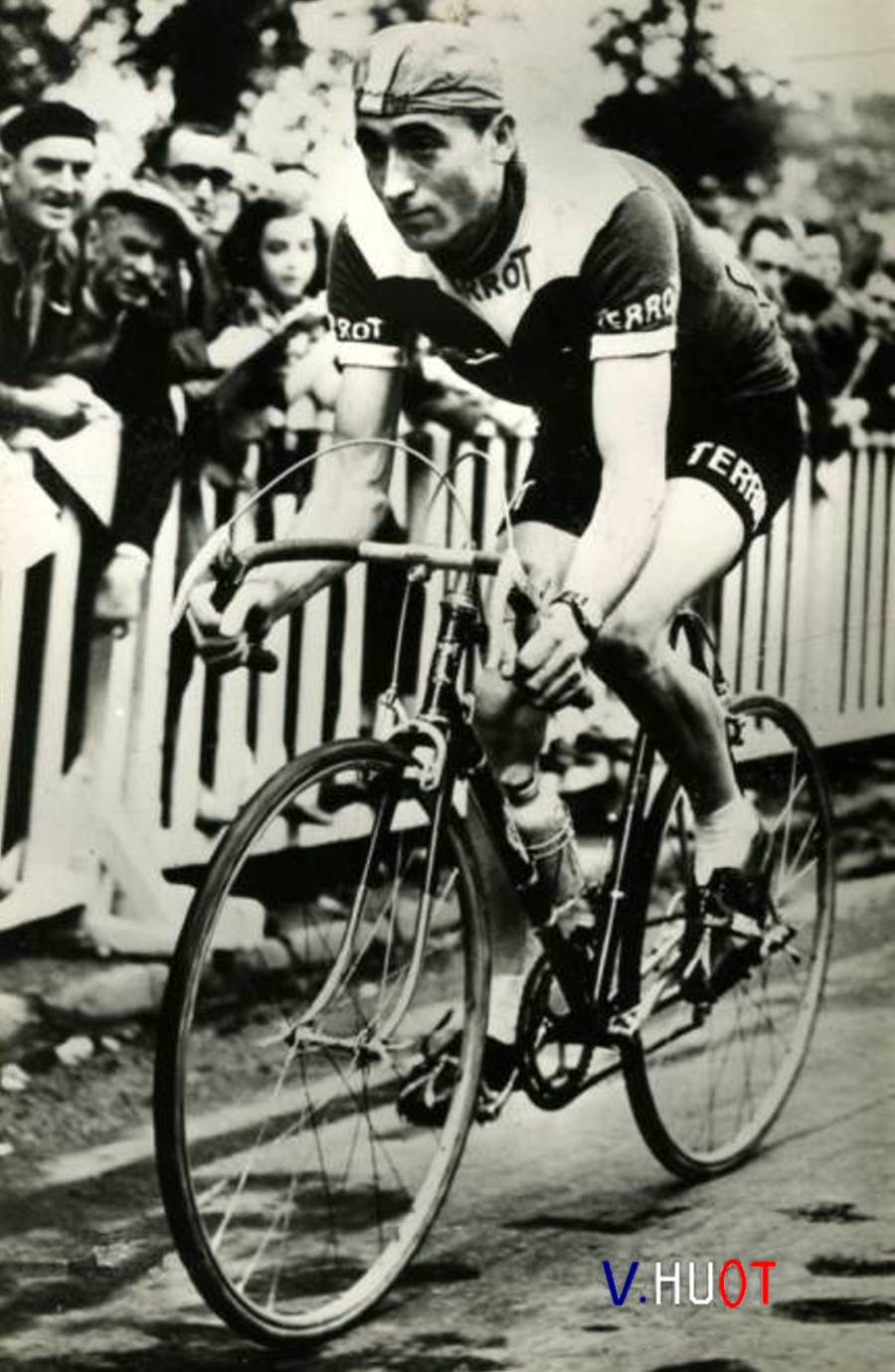
Career and achievements
Huot's most prominent achievements are his back-to-back victories in the French national road race, a one-day event that crowns the national champion and grants the winner the right to wear the tricolour jersey in road races for the following year. Winning this title twice placed Huot among a small group of riders who rose to national prominence through strong performances in domestic competitions during the 1950s.
Context and style
The 1950s were a competitive period for French cycling, with many riders focusing on both national events and classic road races across Europe. While detailed records of Huot's full race calendar are limited in general sources, his successive national victories indicate consistency and an ability to perform in tactical, often hilly one-day courses that characterized many French championships of the time.
Legacy and later life
Although not as widely known internationally as some contemporaries, Huot remained a respected figure in Dordogne and among fans of mid-20th-century French cycling. Local press and cycling communities noted his passing in 2017, remembering him for his national titles and his role in the sport at a regional level. He died in Manzac-sur-Vern at the age of 88 from bronchopneumonia; contemporary accounts and obituaries reported his death and celebrated his career (source).
Quick facts
- Full name: Valentin Huot
- Born: 1 May 1929, Creyssensac-et-Pissot, Dordogne, France
- Notable wins: French national road race champion, 1957 and 1958
- Died: 21 November 2017, Manzac-sur-Vern, Dordogne, France (bronchopneumonia)
Huot's consecutive national titles remain the defining feature of his career and a point of local pride in his home region. For readers interested in mid-century French cycling, his achievements illustrate the importance of the national championship as a marker of domestic prominence during that era.
Related articles
Author
AlegsaOnline.com Valentin Huot — French road racing cyclist (1929–2017) Leandro Alegsa
URL: https://en.alegsaonline.com/art/103985
Sources
- francebleu.fr : "Dordogne : disparition de l'ancien cycliste périgourdin Valentin Huot"
- procyclingstats.com : "Valentin Huot"
- cyclingarchives.com : "Valentin Huot"
- lequipe.fr : "Valentin Huot"