
Upland, California: History, Geography, and Notable Facts
Upland is a city in San Bernardino County, California. Incorporated in 1906, it developed from citrus agriculture into a suburban community with a historic downtown, recreation, and cultural ties.
Overview

Upland is a city located in San Bernardino County in the U.S. state of California. It sits at the western edge of the Inland Empire, near the foothills of the San Gabriel Mountains. Historically an agricultural town, Upland transformed into a suburban community during the 20th century while retaining a distinct downtown and streetscape.
Image gallery
8 Images



Characteristics and geography
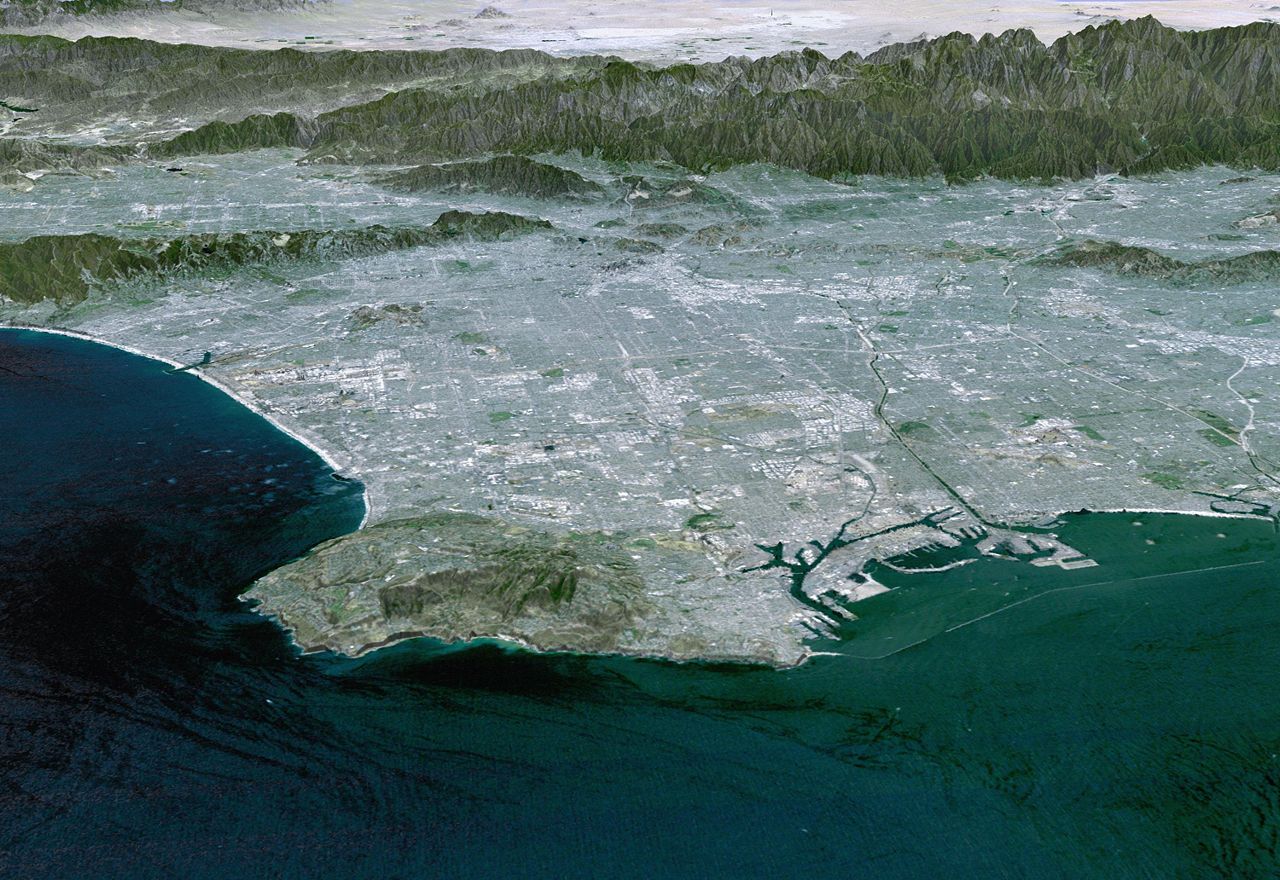
The city occupies a transition zone between valley floor and mountain slopes, which has shaped its climate, vegetation and land use. Many older neighborhoods include wide, tree-lined streets and a commercial core on Euclid Avenue that is known locally for its historic character and small businesses. Upland provides access to outdoor activities such as hiking along nearby hills and open-space recreation.
History and development
Upland was incorporated on May 15, 1906. Before incorporation it was known in some contexts as North Ontario and shared economic ties with neighboring communities. The city grew from a foundation in citrus and other agriculture into a residential and retail center as transportation and housing development expanded in the region.
Population and civic life
According to the 2000 census (as cited in contemporary reports), the city had a population of 68,393. Local government, schools, and civic organizations serve a community that includes long‑time residents and newer commuters who work elsewhere in the Inland Empire and the Los Angeles region. The city hosts seasonal events and maintains parks and public services typical of suburban municipalities.
Culture, recreation and notable facts
- Skateboarding history: Upland was once well known in skateboarding circles for a skatepark called "The Pipeline," a popular local attraction that was removed in the 1980s.
- Local landmarks: the downtown commercial area and nearby foothills are focal points for shopping, dining and outdoor recreation.
- Notable people: the rapper Litefoot was born in Upland and is among several individuals with ties to the city.
- Data sources: demographic and historical information are available through municipal records and census report summaries.
Why it matters
Upland exemplifies many Southern California communities that transitioned from agricultural roots to suburban life during the 20th century. Its combination of historic downtown features, proximity to natural areas, and placement within a larger metropolitan region make it relevant for studies of regional growth, transportation, and community identity.
For further local details and current statistics consult municipal resources and regional planning agencies that document Upland's evolving role in the Inland Empire.
Related articles
Author
AlegsaOnline.com Upland, California: History, Geography, and Notable Facts Leandro Alegsa
URL: https://en.alegsaonline.com/art/103472