
University of São Paulo (Universidade de São Paulo, USP)
Leading public research university in Brazil, founded in 1934, with multiple campuses across São Paulo state and a major role in national education, research and culture.
Overview
The University of São Paulo (Portuguese: Universidade de São Paulo, commonly abbreviated USP) is a public research university founded in 1934 and headquartered in the city of São Paulo. It is widely regarded as one of Brazil's most important institutions of higher learning and research, playing a central role in the country's academic, scientific and cultural life. For official information see the institution's site: official site.
Image gallery
10 Images





Organization and campuses
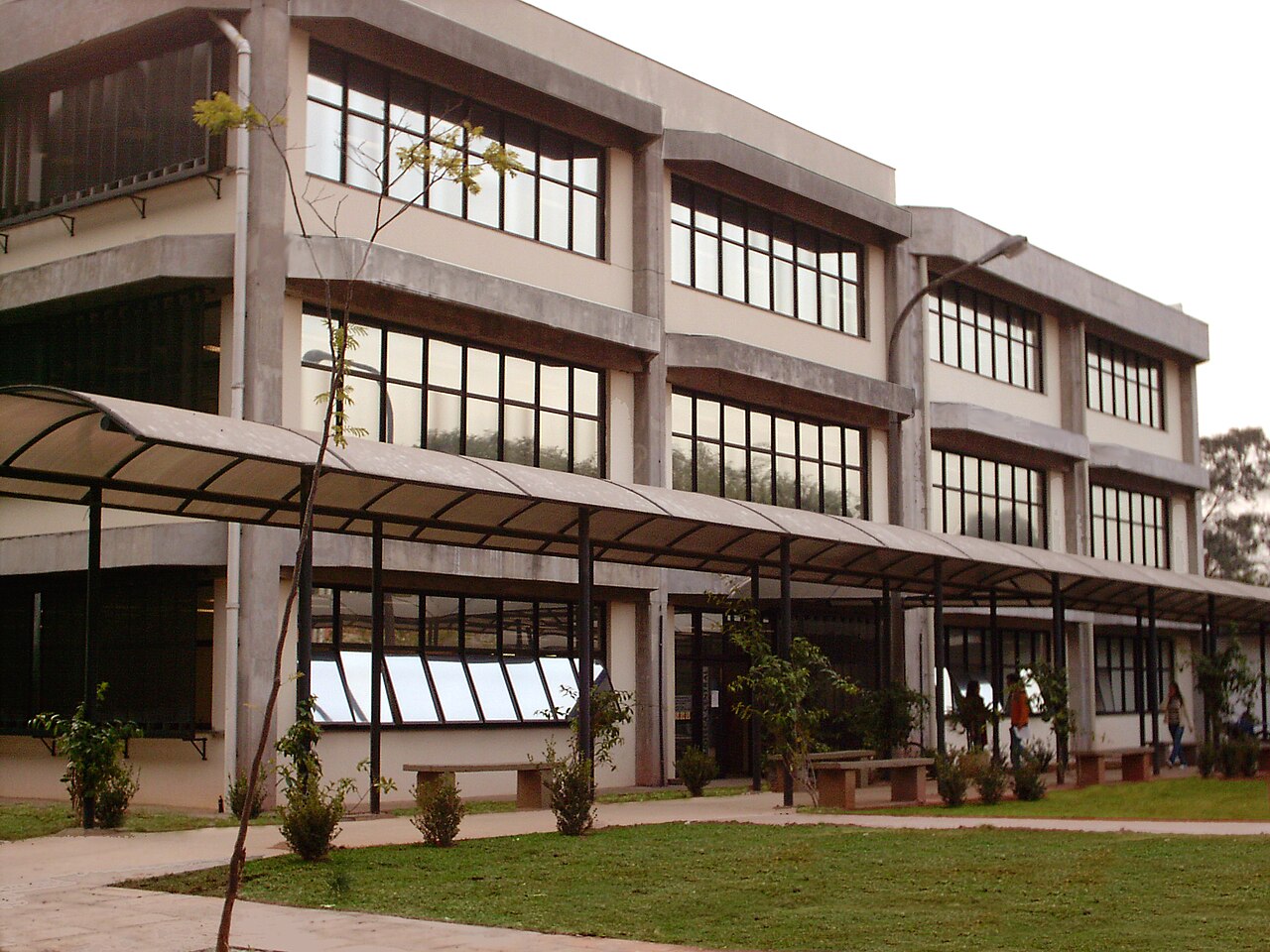
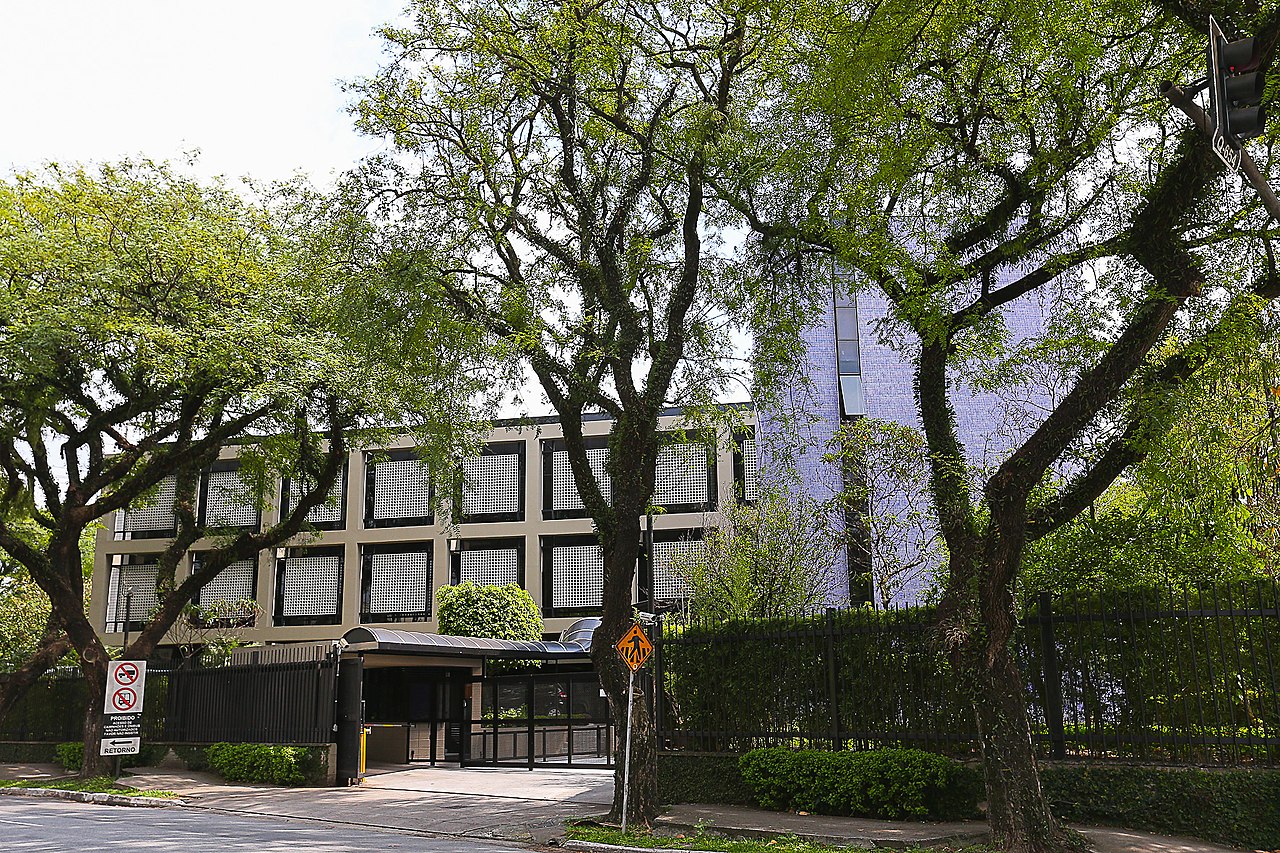
USP is organized into numerous faculties, institutes and professional schools that cover fields such as natural sciences, engineering, medicine, law, humanities and arts. Its operations extend across several campuses in the state of São Paulo, providing a mix of urban and regional programs.
- Major campus areas include the main Cidade Universitária in the capital and satellite campuses in cities such as São Carlos, Ribeirão Preto, Bauru, Piracicaba and Lorena.
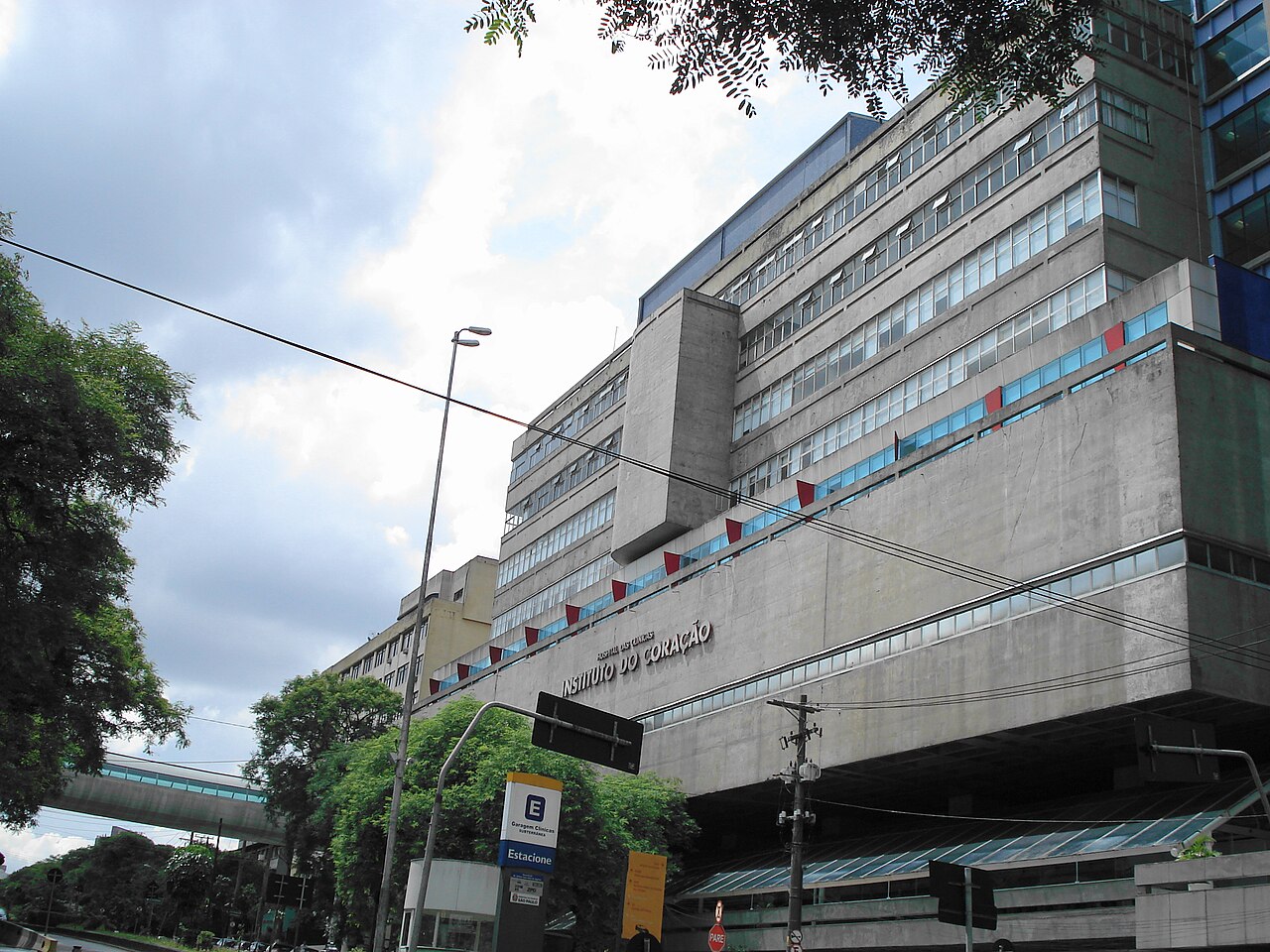
- The university administers teaching hospitals, research centers and cultural institutions that serve both students and the public.
History and development
USP emerged in the early 20th century through the integration of older professional schools and a state initiative to modernize higher education. Since its foundation in 1934 it has grown into an extensive academic system that combines undergraduate education, graduate programs and a large research enterprise. Its development reflects broader social and economic changes in the state of São Paulo and in Brazil as a whole; regional context is available at state resources and city background at regional information.
Academic profile and research
USP is known for scholarly output across many disciplines and for maintaining substantial research infrastructure. It hosts graduate doctoral and master's programs, publishes scientific journals, and participates in international collaborations. The university's teaching hospitals are important centers for medical training and clinical research.
Admissions, student life and impact
Admission to USP is highly competitive, traditionally based on a rigorous entrance examination system (often associated with the FUVEST process) and other selection mechanisms; details on application procedures are on the admissions pages: admissions information. Student life includes academic associations, cultural groups, and community outreach activities that link the university with broader society.
Notable features and distinctions
Beyond its size and research profile, USP is distinguished by its extensive professional schools, influential alumni across multiple sectors, and its cultural institutions that host exhibitions, performances and public lectures. It remains a benchmark for higher education in Latin America and a major contributor to Brazil's scientific and artistic landscape.
Related articles
Author
AlegsaOnline.com University of São Paulo (Universidade de São Paulo, USP) Leandro Alegsa
URL: https://en.alegsaonline.com/art/103334