
University of Saskatchewan
Public research university in Saskatoon, Saskatchewan, founded in 1907. Known for strong agricultural roots, medical and veterinary research, VIDO, U15 membership and a large riverfront campus.
The University of Saskatchewan (U of S) is a public research university located on the east bank of the South Saskatchewan River in Saskatoon, Saskatchewan, Canada. Established in 1907, it grew from an agricultural college into a comprehensive university that combines undergraduate teaching, professional education and research. The institution is widely recognised within Canada for its research activity, holding numerous Canada Research Chairs and participating as a member of the U15 Group of Canadian Research Universities, a collection of the country’s major research-intensive universities.
Image gallery
10 Images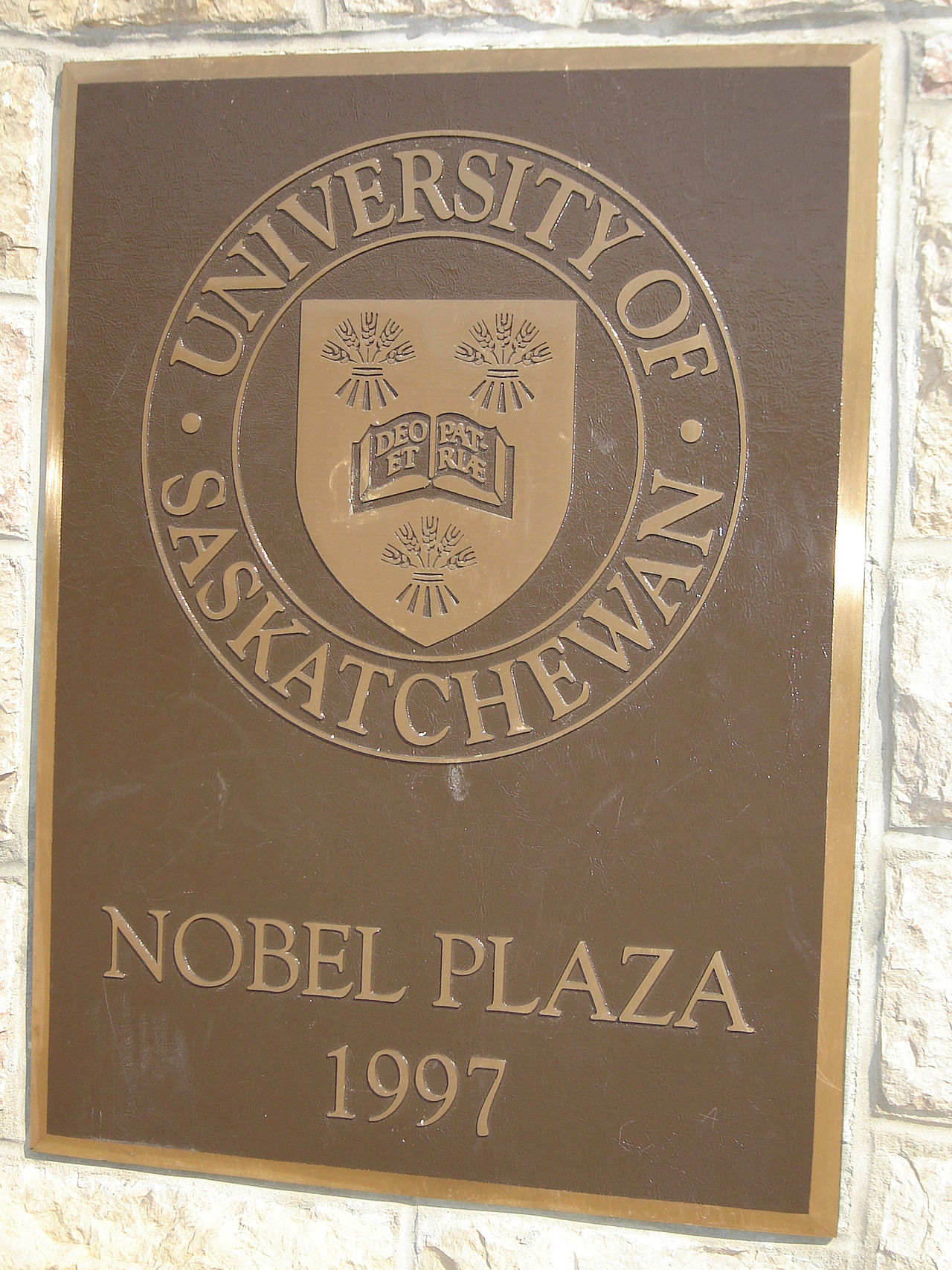





Campus and facilities
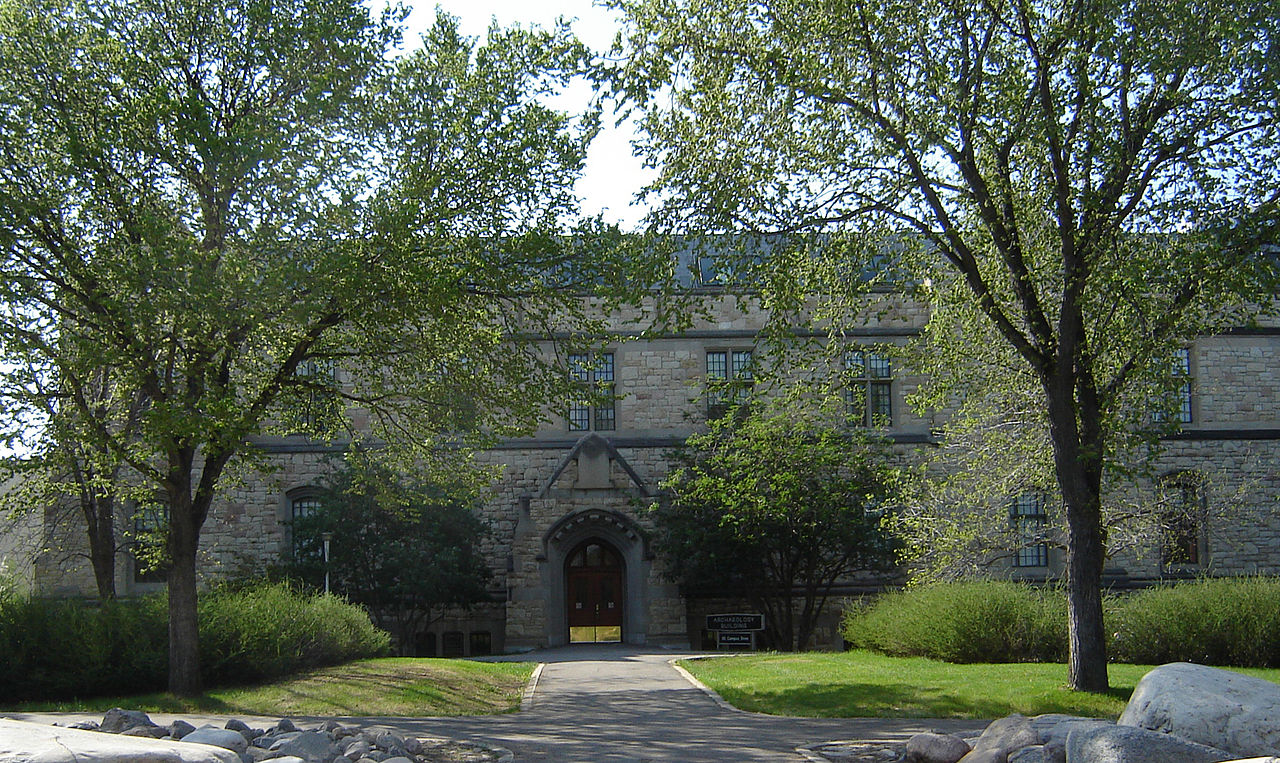
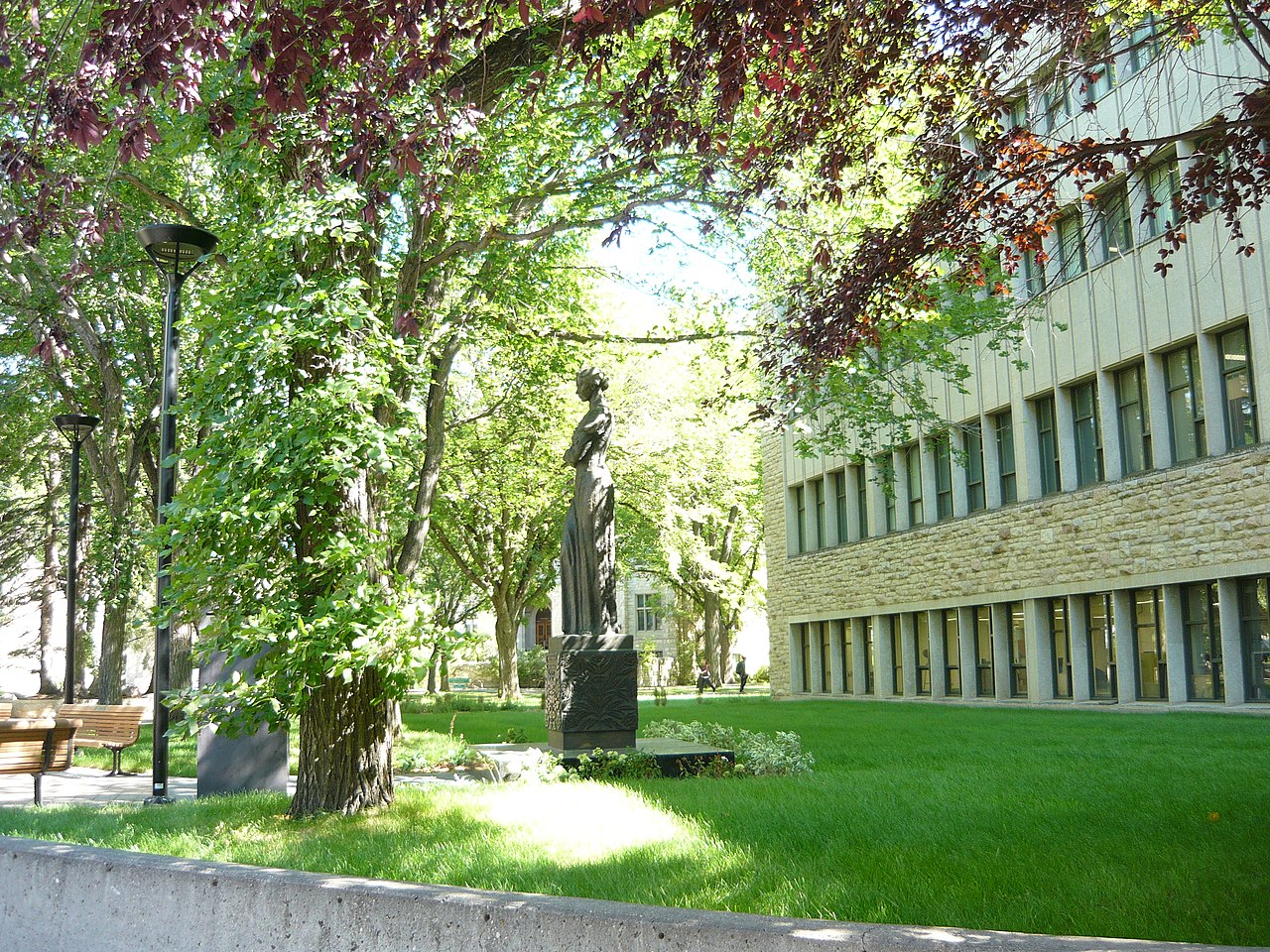
The main campus occupies a large riverfront site with extensive green space and institutional facilities. Historically, the university set aside hundreds of hectares for teaching, experimental farms and future development; the contemporary campus covers well over 900 hectares, and an adjacent research park provides additional space for innovation and industry partnerships. Campus features include teaching and laboratory complexes, student residences, cultural institutions and clinical facilities such as affiliated hospitals and veterinary clinics.
Academic structure and programs
The University of Saskatchewan offers more than two hundred academic programs across a range of colleges and schools. These include, among others, faculties or colleges of:
- Agriculture and Bioresources
- Arts and Humanities
- Engineering
- Medicine and Health Sciences
- Law
- Science and Veterinary Medicine
Program offerings span undergraduate degrees, professional qualifications, and graduate research degrees. The university has also maintained an early and influential role in outreach and continuing education through extension programming aimed at applying research to provincial needs.
Research focus and notable contributions
Research has been central to the university since its founding. Work at the U of S has led to technological and medical advances with practical impact. Historically notable developments associated with the university include early techniques in radiation therapy and civil-material innovations that addressed regional construction challenges. The campus hosts specialised research units, including a prominent vaccine and infectious-disease research organization that conducts preclinical and translational work on immunization and pathogen response.
Areas of contemporary research strength include agricultural sciences and crop development, veterinary and zoonotic disease research, environmental and water studies specific to prairie ecosystems, engineering and materials science, and clinical and population health research. Strong partnerships with provincial and federal agencies, the private sector and community organizations help translate academic work into products, services and public-policy advice.
History, role and impact
Founded to serve a largely agrarian province, the University of Saskatchewan expanded through the twentieth century to meet the needs of a growing and diversifying population. It was an early adopter of university-based extension services, aiming to bring scientific knowledge to farmers, teachers and community leaders. Over time the university added professional schools, graduate programs and a broad research portfolio. As the largest post-secondary institution in Saskatchewan, it plays an important role in regional education, healthcare training, cultural life and economic development.
Distinctive features and resources
Distinctive features of the U of S include its riverfront campus, integrated experimental farms and research park, a history of applied agricultural research, and well-known research centres in infectious disease and veterinary medicine. The university is also noted for its community engagement and contributions to provincial development through workforce training and knowledge transfer.
For institutional information, admissions and program details consult the official university site. For historical records and archival material see the history and archives resources. A detailed layout of campus buildings and services is available on the campus map, and summaries of research centres and partnerships can be found at the research and innovation pages.
Questions and answers
Q: What year was the University of Saskatchewan founded?
A: The University of Saskatchewan was first started in 1907.
Q: Where is the University of Saskatchewan located?
A: The University of Saskatchewan is located on the east side of the South Saskatchewan River in Saskatoon, Saskatchewan, Canada.
Q: What type of university is it?
A: The University of Saskatchewan is a Canadian public research university.
Q: How big is the campus?
A: The main University campus covers 981 hectares (2,425 acres), with another 200 hectares (500 acres) allocated for Innovation Place Research Park. In total 10.32 km2 (3.98 sq mi) was set aside for the university.
Q: What type of college did it start out as?
A: The University began as an agricultural (farming) college in 1907 and set-up the first Canadian university-based department of extension in 1910.
Q: What kind of research does the university do?
A: Research has played an important role at the UofS since its founding and discoveries made include sulphate-resistant cement and cobalt-60 cancer treatment unit. It also has a Vaccine and Infectious Disease Organization facility that develops DNA-enhanced immunization vaccines for both humans and animals.
Q: How many academic programs does it offer?
A: The university teaches more than 200 academic programs
Related articles
Author
AlegsaOnline.com University of Saskatchewan Leandro Alegsa
URL: https://en.alegsaonline.com/art/103336
Sources
- usask.ca : "Student Headcount and Demographics"
- communications.usask.ca : "Logos"
- thecanadianencyclopedia.com : "University of Saskatchewan" · web.archive.org
- scaa.usask.ca : "The Beginnings"
- lllp.usask.ca : "Life Long Learning in Pharmacy – 6th International Conference"
- usask.ca : "On Campus News (OCN)"
- innovation.ca : "Innovation Canada – Vaccine Nation"
- usask.ca : "University of Saskatchewan Research – Discovery @ U of S: Mar 08, 2001"
- dictionaryofarchitectsincanada.org : dictionaryofarchitectsincanada.org
- news.usask.ca : "100 Years Ago..."