
University of Pretoria
A major public research university in Pretoria, South Africa, founded in 1908. Multi‑campus institution organised into nine faculties and a business school, with broad teaching, research and community engagement.
Overview
The University of Pretoria is a large public research university located in Pretoria, the administrative capital of South Africa. Founded in 1908, it has grown into a comprehensive institution offering undergraduate, postgraduate and professional programmes across a wide range of disciplines. The university combines classroom teaching, professional training and research activities and serves a diverse student body drawn from across the country and internationally. It is organised into multiple faculties and a dedicated business school and operates on several suburban campuses that host academic, clinical and practical facilities.
Image gallery
10 Images





Campuses and facilities
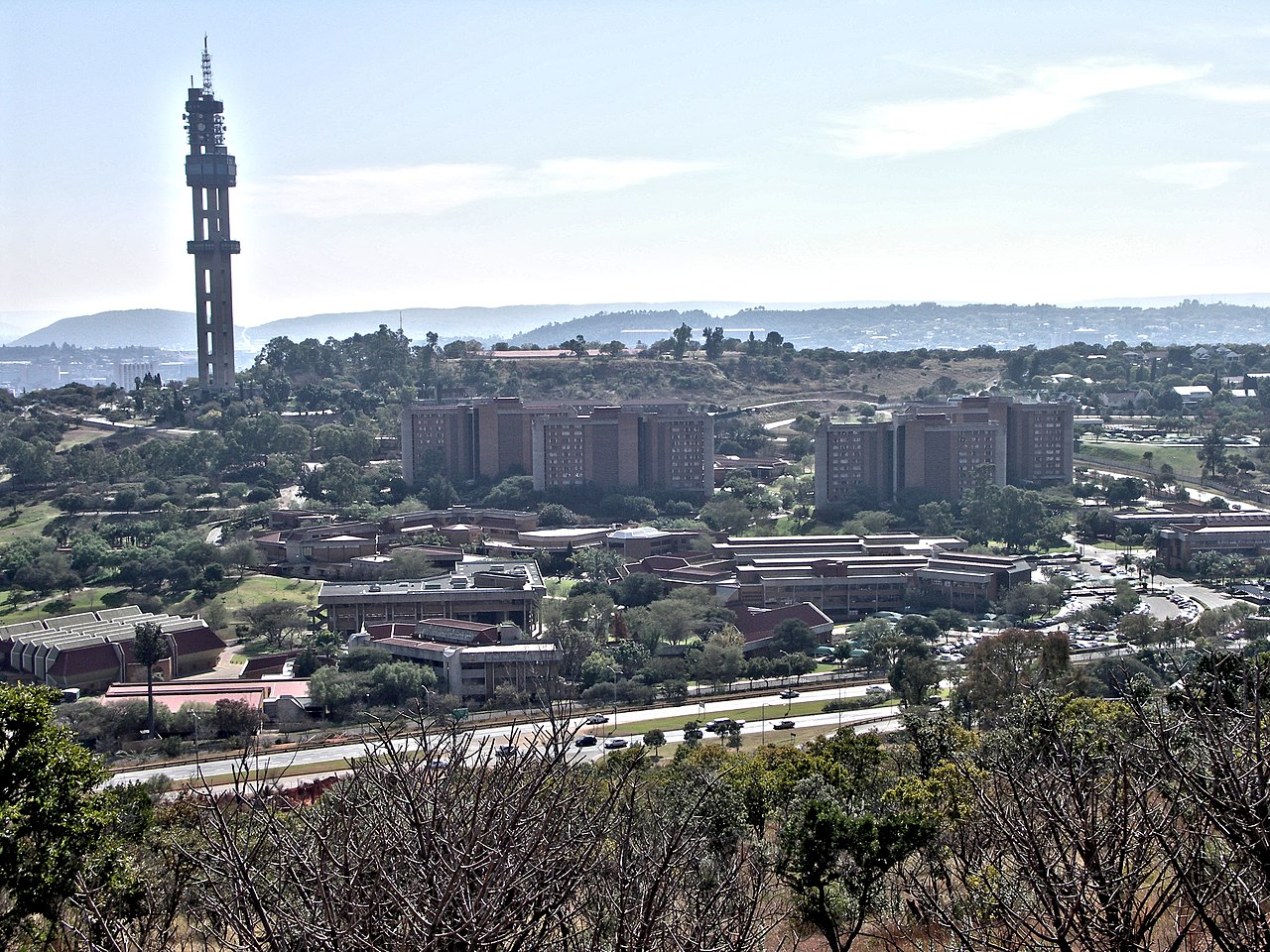
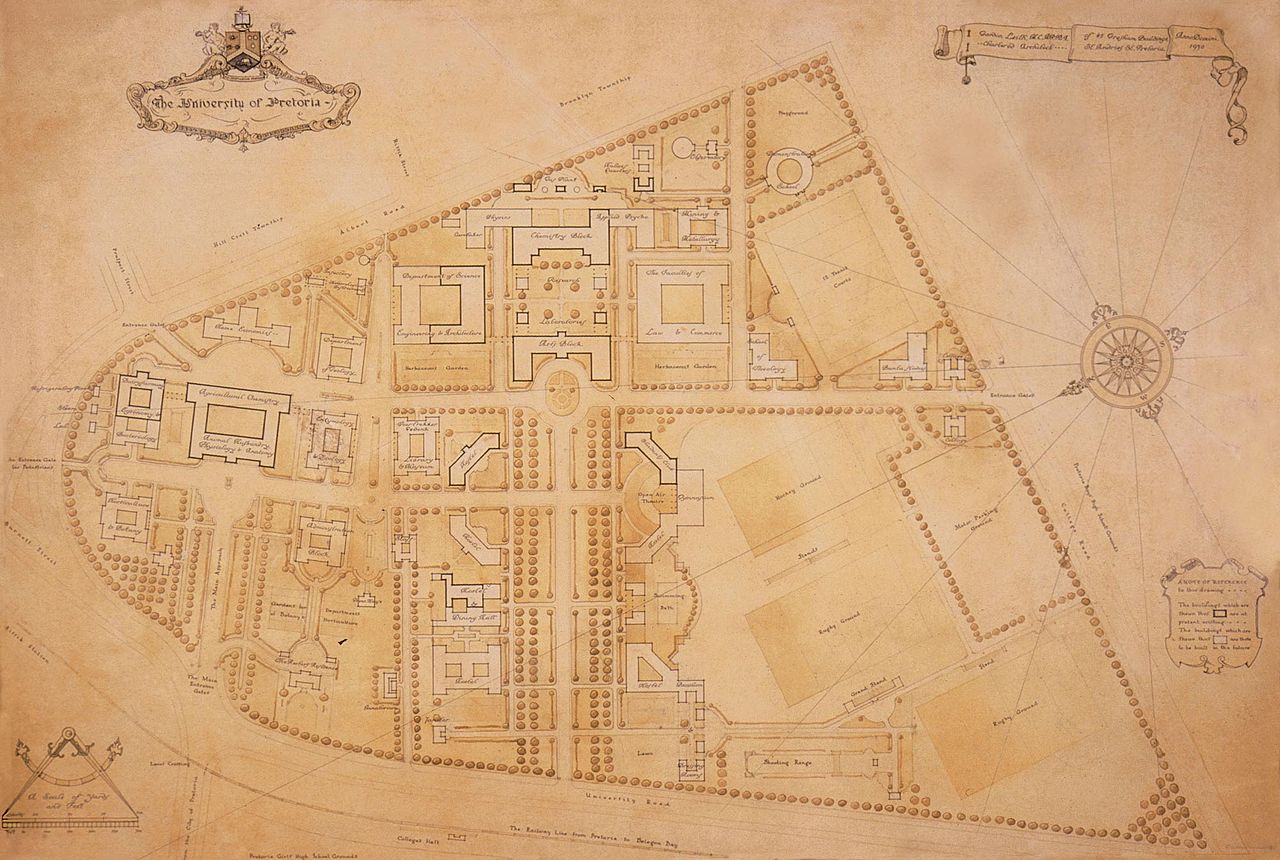
The university operates on multiple campuses that are specialised by function and discipline. A principal campus houses administration, a majority of core academic departments and central student services. Other campuses focus on particular fields such as veterinary medicine, clinical training, agricultural research and professional practice. Across its campuses the institution maintains libraries, lecture halls, laboratories, clinics, and outreach centres that support teaching, research and community engagement.
- Main campus — central administration, large lecture facilities and student services.
- Specialised campuses — dedicated laboratories, clinical and veterinary facilities and applied research sites.
- Outreach and training sites — used for fieldwork, community engagement and professional placements.
Academic organisation
The university is organised into nine faculties plus a business school and offers a spectrum of programmes from vocational and professional qualifications to research degrees. Disciplines represented include the humanities, social sciences, natural and applied sciences, engineering, health sciences, law, education, agricultural and veterinary sciences, and management. Faculties often collaborate on interdisciplinary research and joint teaching initiatives to address complex social and scientific challenges.
History and development
Since its establishment in the early 20th century the university has steadily expanded its academic portfolio and research capacity. Over time it developed specialised centres and postgraduate programmes and adapted its language and admission policies to serve a multilingual and changing society. Its institutional growth mirrors broader developments in South African higher education, including an increasing emphasis on research output, professional training and international engagement.
Research and community engagement
As a research-active institution, the university hosts research institutes and centres across areas such as health, agricultural sciences, engineering, law and the social sciences. Projects led by faculty and students address public health, food security, technological innovation, environmental management and legal and policy issues. The university maintains partnerships with government bodies, industry and non-governmental organisations to translate research into practical impact and to provide student training opportunities.
Student life, governance and access
Student services include libraries, counselling, residence accommodation, sports and cultural programmes, and career support. The university is governed by a council and an executive academic leadership team led by a vice-chancellor; faculties and departments manage curricula and research activities. Prospective students and researchers can find admissions criteria, programme descriptions and campus information through official channels and service portals. For authoritative details see the official website, the research portal, the campus information page, the admissions office and the library and resources.
Related articles
Author
AlegsaOnline.com University of Pretoria Leandro Alegsa
URL: https://en.alegsaonline.com/art/103325
Sources
- universityworldnews.com : "SA Universities"