
University of Oslo (Universitetet i Oslo)
Norway's oldest and largest university, founded in 1811. A comprehensive research and teaching institution with multiple campuses, historic faculties, and a central role in Norwegian academic life.
Overview
The University of Oslo is Norway's oldest and largest public university, founded in 1811. It functions as a national centre for research, higher education and public debate, combining historic city-centre buildings with a larger suburban campus. The institution is commonly known by its Norwegian name Universitetet i Oslo and by its traditional Latin title Universitas Osloensis.
Image gallery
9 Images



History
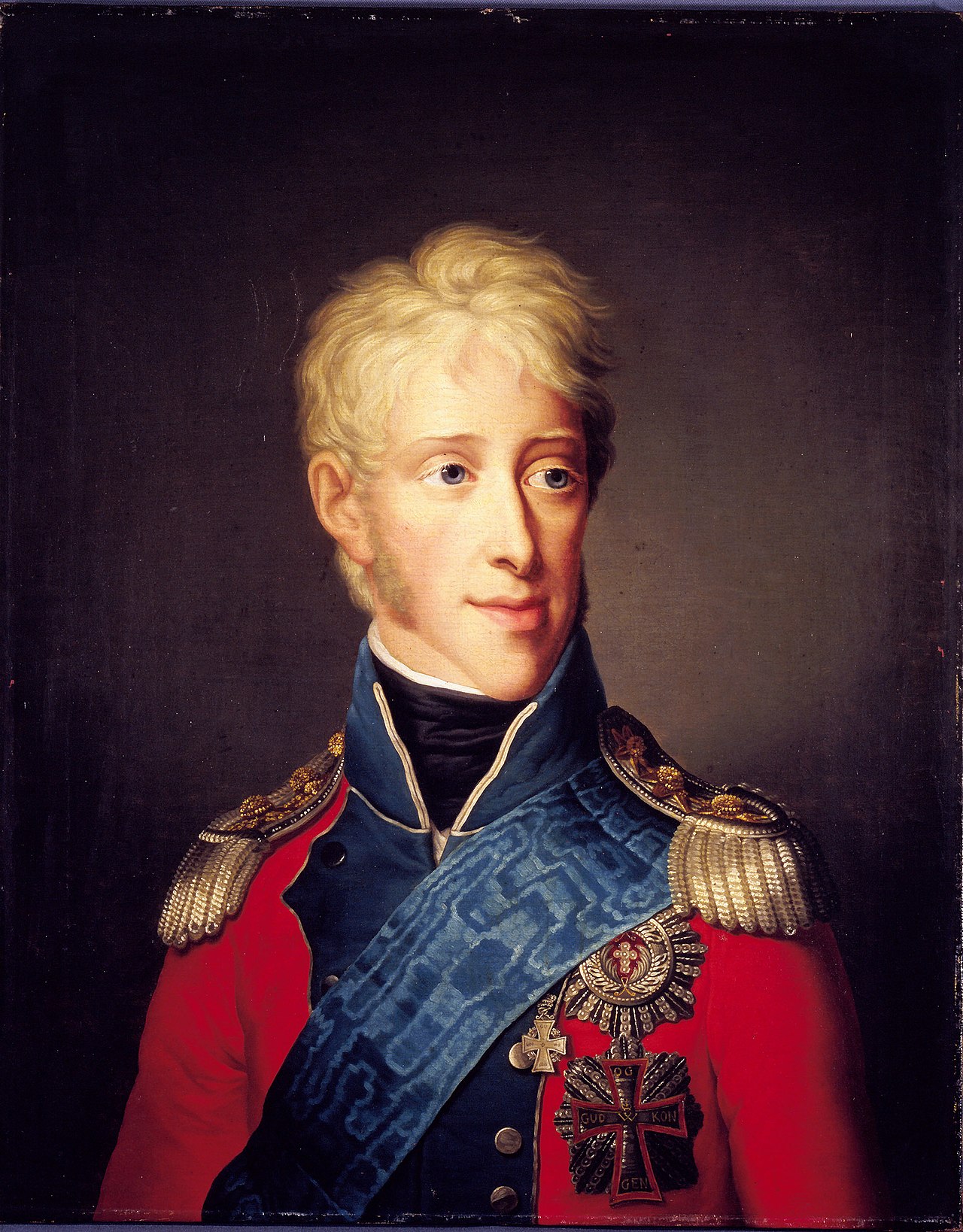
Established as The Royal Frederick University in 1811, the university followed contemporary continental models of research-led higher education. Its original name honoured the monarch of the Denmark–Norway union; the institution adopted the current name in the 20th century. Over two centuries it expanded from a small group of faculties into a broad university with numerous departments, research centres and affiliated hospitals. The university has played a sustained role in Norwegian intellectual, cultural and political life.
Organisation and faculties
The university is organised into faculties that cover humanities, social sciences, natural sciences and professional disciplines. It offers programmes at bachelor, master and doctoral levels and hosts research groups across many fields. Major faculties include:
- Theology
- Law
- Medicine
- Humanities
- Mathematics and Natural Sciences
- Dentistry
- Social Sciences
- Education
Campuses and buildings
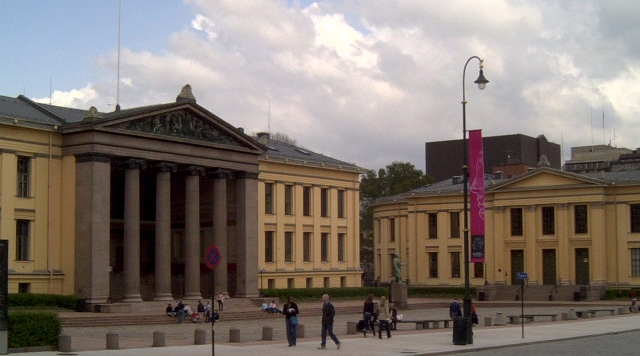
The university retains a mix of historic and modern sites. The Faculty of Law continues to occupy its traditional building on Karl Johans gate in the city centre, near civic landmarks such as the Royal Palace and the Parliament. Most other faculties are located at the Blindern campus, a planned academic area with lecture halls, libraries and laboratories. Medical education and clinical research are distributed across university hospitals and clinical centres in the Oslo region.
Research and academic life
The University of Oslo is active across basic and applied research and participates in international collaborations and networks. It hosts research centres of excellence, interdisciplinary programmes and national research infrastructures. Academic staff engage in teaching, supervision and public communication, and the university frequently contributes expertise to policy discussions and cultural projects.
Libraries, museums and collections
The university manages several important libraries, museum collections and botanical and natural history holdings that support teaching and research. These include programme-linked collections used for research in the sciences and humanities, and public-oriented exhibits that preserve cultural and scientific heritage. Such resources are important for both academic work and outreach to wider audiences.
Students and student life
The student body includes a broad mix of domestic and international students who participate in study programmes, student organisations and social activities. Student welfare services, unions and sports clubs contribute to campus life. Degree ceremonies and academic traditions reflect the long institutional history while current priorities include internationalisation, digital learning and sustainability in campus planning.
Governance and funding
The university is governed according to national higher education laws and its own statutes, with leadership provided by elected and appointed bodies. Funding comes from a combination of public appropriations, research grants and competitive funding sources. Institutional strategies commonly emphasise research quality, education, societal impact and international collaboration.
Practical information and further reading
For official information on admissions, faculties, study programmes and news, consult the university's institutional pages and faculty sites. Key entry points include an institutional overview About, campus and location information Location, background material on historical foundations Background, and separate faculty pages such as the law faculty Law, the medical faculty Medicine and the humanities Humanities. Other faculty and service pages include the science faculty Mathematics and Natural Sciences, dentistry Dentistry, social sciences Social Sciences and education Education.
Note: The anchors in this article use placeholder links to indicate official pages, faculty sections and location information.
Questions and answers
Q: What is the name of the oldest and largest university in Norway?
A: The University of Oslo.
Q: When was the University of Oslo established?
A: The University of Oslo was established in 1811 as The Royal Frederick University.
Q: What were the original names for the university?
A: The original names for the university were Det Kongelige Frederiks Universitet (in Norwegian) and Universitas Regia Fredericiana (in Latin).
Q: What is the current name of the university?
A: The current name of the university is The University of Oslo (Norwegian: Universitetet i Oslo, Latin: Universitas Osloensis).
Q: How many faculties does the University have?
A: The University has eight faculties, which are Lutheran Theology, Law, Medicine, Humanities, Mathematics and Natural Sciences, Dentistry, Social Sciences, and Education.
Q: Where is Faculty of Law located at ?
A:The Faculty of Law is located at an old campus on Karl Johans gate near National Theatre , Royal Palace ,and Parliament .
Q: How many students and employees did it have in 2019 ? A: In 2019 ,the university had 30505 students and employed 6595 people .
Related articles
Author
AlegsaOnline.com University of Oslo (Universitetet i Oslo) Leandro Alegsa
URL: https://en.alegsaonline.com/art/103314