
University of North Carolina Wilmington
Public research university in Wilmington, North Carolina, founded in 1947; offers undergraduate, graduate and doctoral programs and is known for marine science, arts, and NCAA Division I athletics.
Overview
The University of North Carolina Wilmington is a public, coeducational university located in Wilmington, North Carolina. Founded in 1947, it serves a regional and national student body of roughly 16,000 undergraduates and graduates. The institution combines campus life, research activity and community engagement; its leadership includes Chancellor Jose V. Sartarelli. For official information see the university website.
Image gallery
10 Images




Campus and setting
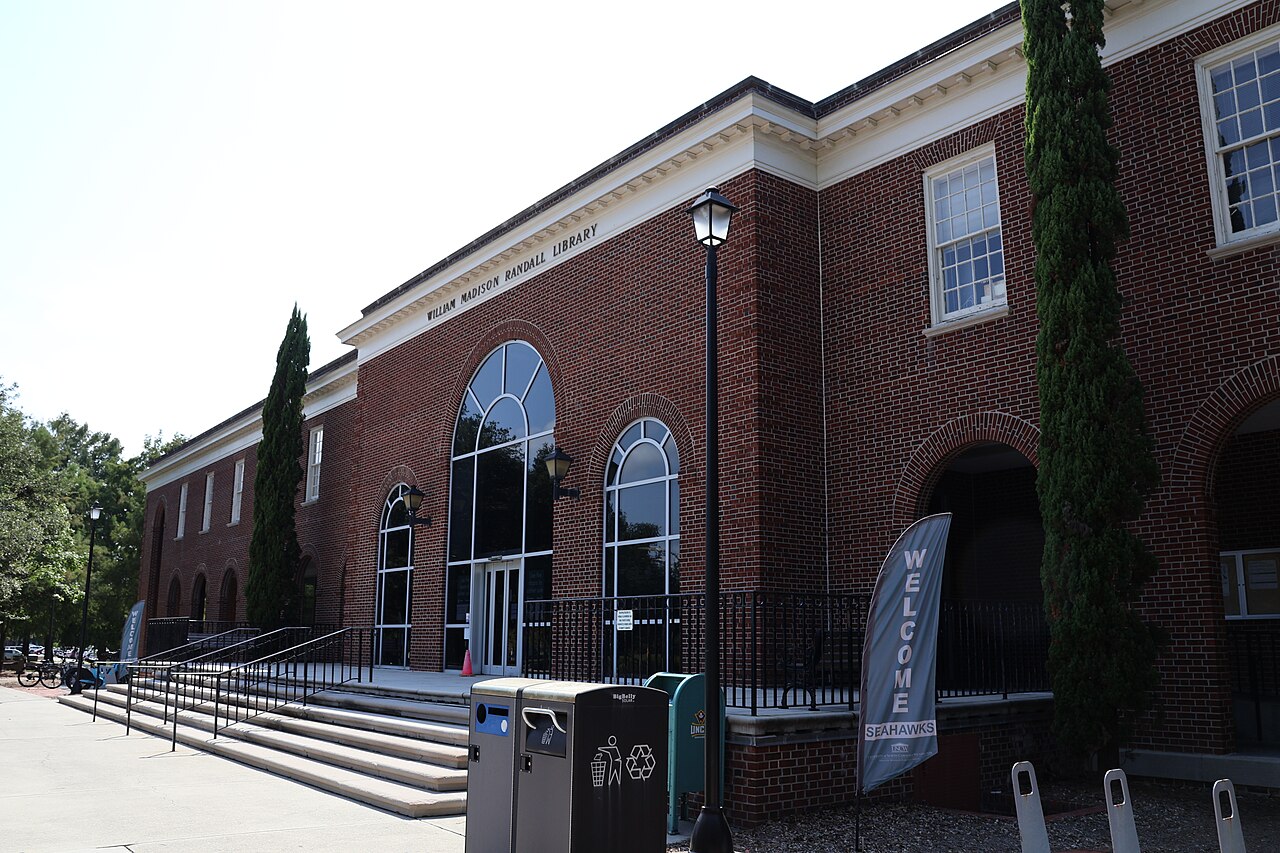
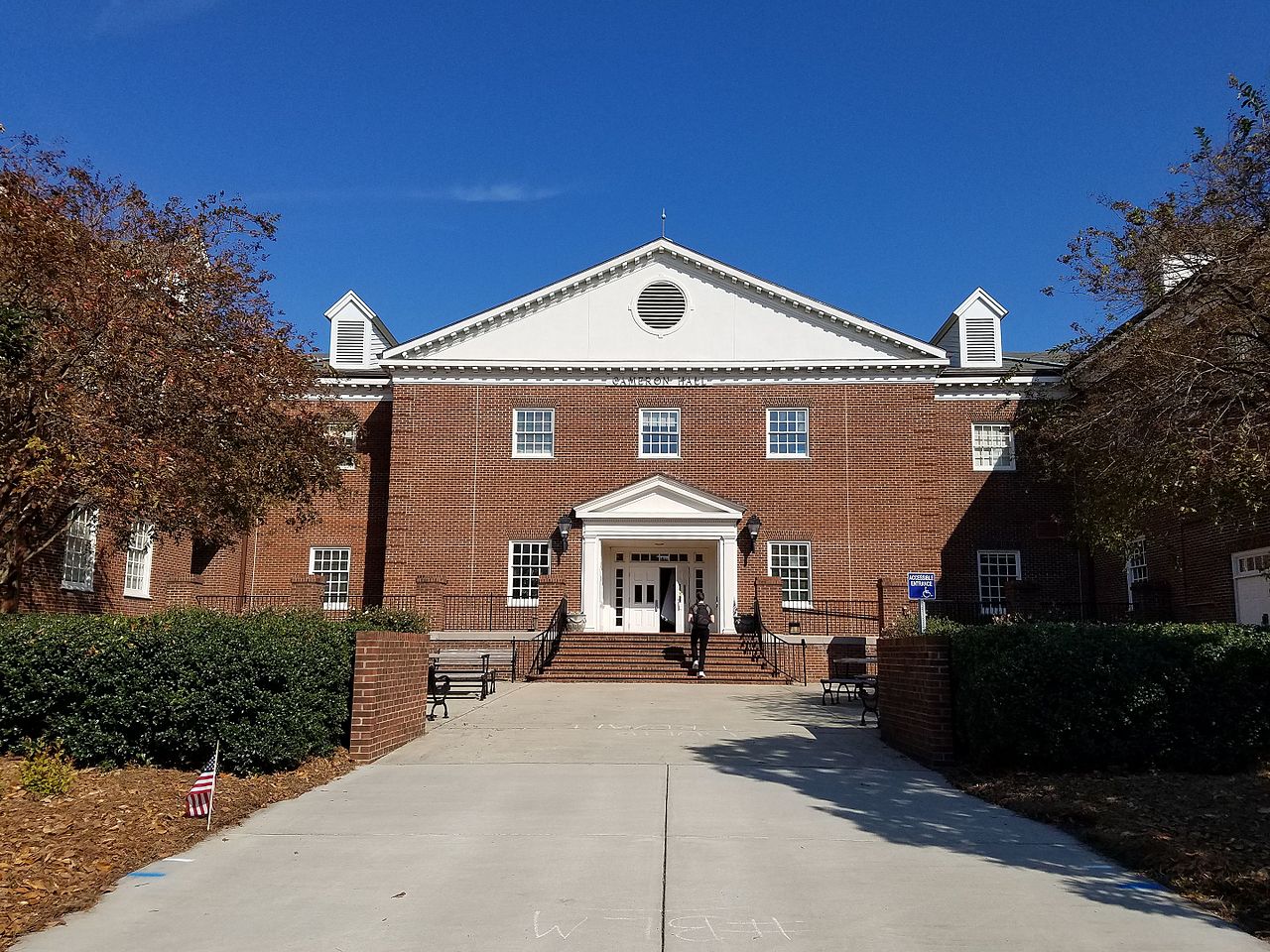
UNCW's main campus sits near the Cape Fear River and is within easy reach of the Atlantic coast. Its coastal location shapes many academic programs and research priorities and provides recreational and experiential opportunities for students. The university is also an important cultural and economic presence in Wilmington and the state of North Carolina.
Academics and research
The university awards bachelor’s, master’s and doctoral degrees across a broad range of fields. It is organized into multiple colleges and schools that emphasize practical and applied learning as well as scholarship. Signature areas of instruction and inquiry include marine and environmental science, business, film and media studies, health sciences and education.
- College of Arts and Sciences
- Cameron School of Business
- College of Health and Human Services
- Watson College of Education
- College of Fine Arts and Communication
Research centers, field stations and partnerships support coastal studies, marine biology and public health initiatives. The campus hosts labs and outreach programs that connect students with regional industries and government agencies. A concise institutional history and timeline can be found through the university’s historical pages: history and milestones.
Student life, athletics and significance
Student life at UNCW includes residence communities, student organizations, arts performances and service-learning. Athletic teams, known as the Seahawks, compete at the NCAA Division I level and are members of the Colonial Athletic Association. The university plays a prominent role in local workforce development, cultural programming and coastal research, and it maintains regional and international collaborations in teaching and scholarship.
Related articles
Author
AlegsaOnline.com University of North Carolina Wilmington Leandro Alegsa
URL: https://en.alegsaonline.com/art/103304