
Université Laval — French-language public research university in Quebec City
French-language public research university founded in 1852 in Quebec City. Established by the Séminaire de Québec and granted a royal charter by Queen Victoria, it is a major centre of francophone higher education and research.
Overview
Université Laval is a French-language public research university located in Quebec City, in the province of Quebec, Canada. It combines undergraduate, graduate and professional programs with a broad research agenda. The institution is widely recognized for its role in sustaining and promoting francophone higher education in North America and for serving provincial, national and international research collaborations. As a public institution, it operates a range of faculties, institutes and centres across multiple fields.
Image gallery
10 Images




History and founding
The university traces its institutional roots to the Séminaire de Québec, a clerical college established in the 17th century. The modern university was formally created in 1852 when it received a royal charter issued by Queen Victoria, which granted it degree‑conferring status. Its name honors François de Laval, the founder of the Séminaire de Québec, and reflects that early ecclesiastical sponsorship. Over time the university evolved from its clerical origins into a secular, provincially funded centre of higher learning and research.
Organization and academic profile
Université Laval encompasses a range of faculties and professional schools that cover humanities, social sciences, natural sciences, engineering, business, law, health sciences and more. It supports doctoral and postdoctoral research and maintains research chairs, specialized laboratories and interdisciplinary institutes. The institution emphasizes research that addresses regional priorities such as public health, environmental sciences, sustainable development and francophone culture, while also participating in global research networks.
Campus life and facilities
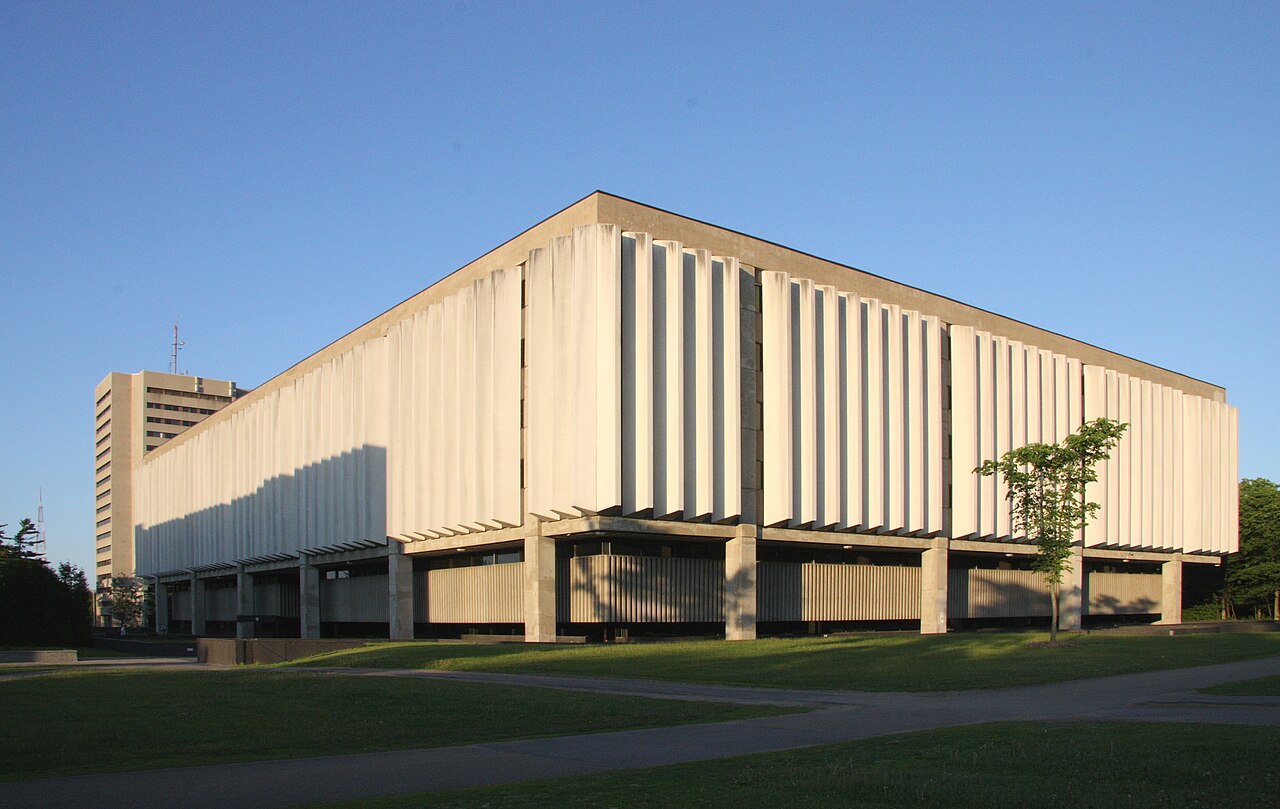
The university’s main campus combines historic buildings with contemporary research facilities and student services. Campus life includes student associations, cultural activities, athletic programs and public outreach initiatives. As a francophone university, it plays an important cultural role for French-speaking communities and attracts students from across Quebec, Canada and abroad.
Notable roles and distinctions
- One of Canada’s older universities and among the earliest French-language institutions to gain university status in North America.
- Strong emphasis on research and graduate education, with connections to government, industry and other universities.
- Named for François de Laval and historically linked to the Séminaire de Québec, which provided early leadership and funding.
For further institutional and historical context, see entries describing what it means to be a research university and the local setting in Quebec City. Additional sources and administrative information are available through official and archival channels at the university and provincial repositories (Canada, Quebec).
Related articles
Author
AlegsaOnline.com Université Laval — French-language public research university in Quebec City Leandro Alegsa
URL: https://en.alegsaonline.com/art/103191
Sources
- thecanadianencyclopedia.ca : "Université Laval"