
United States National Guard
The National Guard is the U.S. federal-state military reserve force, composed of the Army National Guard and Air National Guard, serving both domestic emergencies and federal missions.
Overview
The United States National Guard is a reserve military force organized within each U.S. state and territory that serves a dual role: supporting state authorities in emergencies and serving as a federal reserve component of the U.S. armed forces. It includes two components, the Army National Guard and the Air National Guard, which operate under state control unless mobilized for federal service. For institutional oversight and coordination the National Guard Bureau acts as the channel between the states and the Department of Defense; see National Guard Bureau and the Department of Defense.
Image gallery
10 Images





Organization and legal status
The Guard is organized at the state level but also forms part of the federal military establishment. The Army National Guard is aligned with the U.S. Army while the Air National Guard is aligned with the U.S. Air Force. As a component of the broader U.S. military, Guard units can be mobilized by the President for federal missions. At the same time, governors retain authority to activate the Guard for domestic incidents, making it a modern continuation of the traditional militia model within the United States.
Primary roles and missions
National Guard units perform a diverse range of duties, spanning both domestic and overseas missions. Typical responsibilities include:
- Disaster response and humanitarian assistance after storms, floods, wildfires and similar emergencies.
- Support to civil authorities, including traffic control, emergency logistics and temporary infrastructure repair.
- Homeland security and civil defense tasks that may involve coordination with federal agencies and state emergency management.
- Conventional military roles when federalized, such as combat support, aviation, engineering, medical, and air defense operations handled in part by the Air National Guard (air defense roles).
Activation, command and distinctions
The Guard’s dual status means activation follows two main pathways. A governor can call units for state missions; the President can federalize them for national missions. Legal frameworks distinguish state-funded duty (often called Title 32) from federal active-duty service (commonly associated with Title 10), affecting command relationships, funding and the application of certain laws. When serving under state authority, Guardsmen can perform law-enforcement related tasks that would otherwise be restricted for federal troops, a distinction tied to domestic law constraints.
History and development
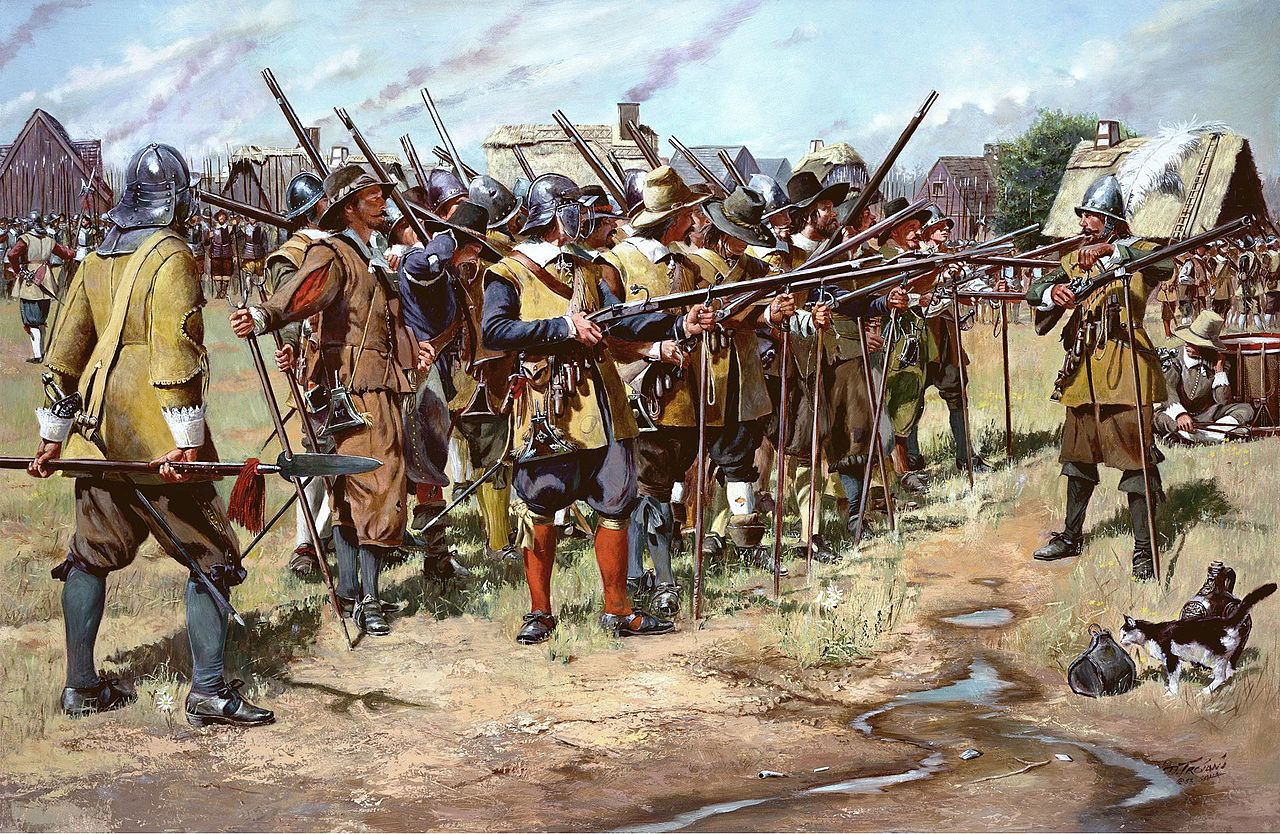
The institution traces its roots to colonial militias that provided local defense and public order. Over time, legislative and administrative reforms created an organized, professionalized National Guard capable of integrating with federal forces while preserving state responsiveness. This evolution reflects a long-standing American balance between local control and national military needs.
Training, composition and benefits
Guard members typically train part-time through regular drill weekends and annual training periods, using equipment and standards that increasingly mirror those of active-duty forces. Units include infantry, armor, aviation, engineering, medical, and support elements. Service in the Guard provides military experience, pay for duty periods, training benefits and retirement options, while enabling many members to serve their communities in civilian careers.
Notable facts and public role
The National Guard frequently appears in domestic crises, disaster response and community events, illustrating its role as a bridge between military capability and civilian needs. Its unique federal-state status makes it a key instrument for national defense and local emergency response; coordination among governors, federal authorities and agencies is central to effective employment.
For institutional information and policies consult official channels such as the National Guard Bureau, the U.S. Army, the U.S. Air Force, and the Department of Defense. Additional context about the militia tradition and legal framework can be found through resources on militia concepts and federal-state relationships within the United States. For operational mission types, see materials describing air defense and other specialty roles. Further references and public information may be obtained via national-level and state-level Guard offices listed at official military information.
Related articles
Author
AlegsaOnline.com United States National Guard Leandro Alegsa
URL: https://en.alegsaonline.com/art/103078