
United States Football League (USFL)
The USFL was a professional American football league that played in the spring and summer during the 1980s, notable for its innovative timing, notable players and an antitrust suit against the NFL.
Overview
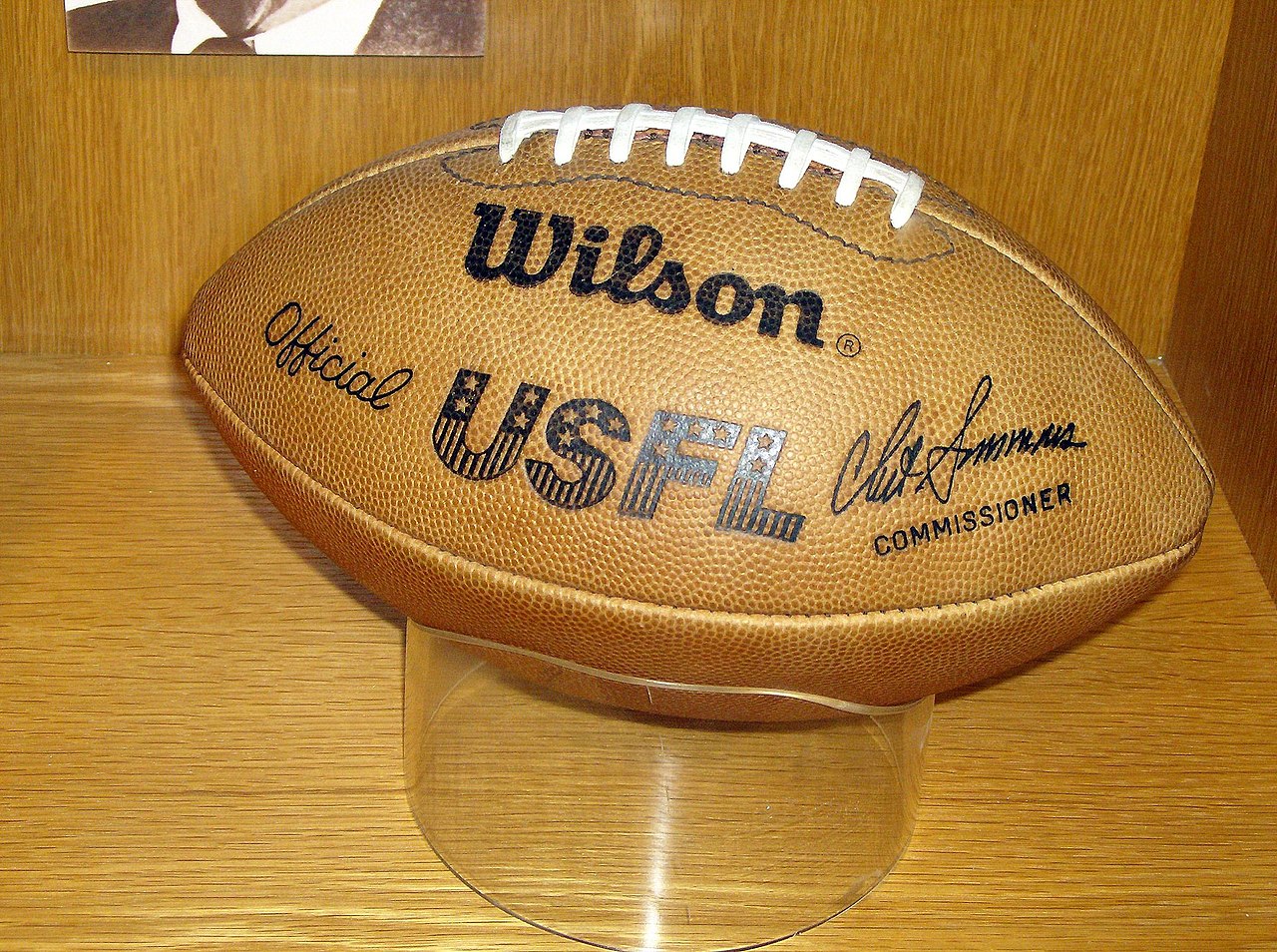
The United States Football League (USFL) was a professional American football league that operated in the early-to-mid 1980s. It scheduled games in the spring and summer months to avoid direct competition with the National Football League (NFL) and to provide year-round professional football for fans and broadcasters. The league is remembered for attracting high-profile college talent, experimenting with rules and for its dramatic legal and financial history.
Image gallery
2 Images
Structure and characteristics
The USFL began as a spring league with franchises in a mix of large and mid-sized markets. Teams played a regular-season schedule during the spring and early summer before postseason play. Ownership ranged from small local investors to wealthy entrepreneurs. The league sought to differentiate itself with marketing strategies, television contracts, alternative rules and aggressive player recruitment.
History and development
Conceived as a spring alternative to established fall football, the league launched franchises, signed prominent college players and staged seasons throughout the early 1980s. Several owners, in pursuit of growth or greater revenues, debated moving the league to the fall to compete directly with the NFL. That shift, legal battles and uneven finances contributed to instability. Key moments included the signing of marquee players, franchise relocations and an antitrust lawsuit against the NFL that produced a symbolic victory but little financial relief.
Notable teams, players and owners
- Teams included clubs such as the Tampa Bay Bandits and others that became well known in their regions. Some owners invested heavily to build competitive rosters.
- Several future NFL standouts and college stars played in the USFL, helping the league gain national attention.
- High-profile owners included entrepreneurs who influenced league policy; one prominent owner was Donald Trump, who invested in a franchise and pushed for strategic changes.
- Owners like the late John Bassett supported teams such as the Tampa Bay Bandits; Bassett is remembered for his early involvement in the league.
Legacy and notable facts
The USFL left a complex legacy: it demonstrated that spring professional football could draw fans and television viewers, and it accelerated the pro careers of several players who later became prominent in the NFL. The league also mounted an antitrust case against the NFL; although the court found certain monopolistic behavior, the damages awarded were minimal and the financial strain hastened the league's collapse. Discussions about alternative-season professional football leagues and their viability continue to reference the USFL model and outcomes.
For more background on the league's timing and seasonal approach see spring schedule and summer play. For general context about how leagues organize games and business strategy see league operations and materials on league ownership and entrepreneurship at entrepreneur resources and owner biographies here.
Related articles
Author
AlegsaOnline.com United States Football League (USFL) Leandro Alegsa
URL: https://en.alegsaonline.com/art/103051