
United States federal executive departments
Overview of the executive departments of the U.S. federal government: origins, structure, functions, major departments, and how they differ from independent agencies.
The United States federal executive departments are the principal administrative units of the executive branch of the federal government. The earliest departments — the Department of State, the Department of War and the Department of the Treasury — were created within weeks of each other in 1789 as the new national government took shape. These departments remain central to carrying out federal law and policy and to advising the president on matters of government administration.
Image gallery
1 Image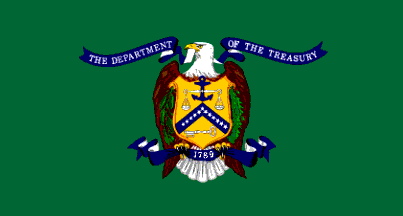
Structure and leadership
Each executive department is headed by a senior official, typically titled "Secretary," who oversees the department's programs and reports to the president. The head of the Department of Justice is known as the Attorney General. Department heads are normally Cabinet members and are nominated by the president and confirmed by the Senate. Departments contain numerous subordinate agencies, bureaus and offices that implement specific aspects of law and policy.
Primary functions
- Policy execution: departments put federal statutes and executive policies into practice through regulation, enforcement and program administration.
- Service delivery: many departments administer benefits, loans, permits and other services to individuals, businesses and state or local governments.
- Advisory role: department heads advise the president on subject-matter issues such as foreign policy, national defense, energy and public health.
Examples of historically important early departments include the Department of State, originally responsible for foreign affairs; the Department of War, which later evolved into the modern Department of Defense; and the Department of the Treasury, responsible for fiscal policy and revenue collection. Collectively these bodies shaped the pattern for subsequent departments.
Development and expansion
Over the centuries the federal government created additional departments to address emerging national needs. The number and scope of departments grew gradually in the 19th and 20th centuries to cover areas such as justice, agriculture, commerce, labor, health, education, transportation and energy. Some reorganizations were significant: for example, the functions of the old War Department were consolidated into the Department of Defense after World War II; more recently, the Department of Homeland Security was formed in response to new security challenges.
Distinctions and oversight
Executive departments differ from independent agencies and regulatory commissions in that they are headed by officials who serve at the pleasure of the president and are more fully integrated into the presidential Cabinet. Departments often contain independent or semi-autonomous units, but the department as a whole answers to the executive. Congress oversees departments through appropriations and hearings, and courts review legal challenges to departmental actions.
For additional context about the executive branch and how departments fit into the federal system, see general resources on the executive branch and specific departmental pages such as the Department of State and other departmental histories. These offices remain among the most visible and consequential instruments of federal governance.
Related articles
Author
AlegsaOnline.com United States federal executive departments Leandro Alegsa
URL: https://en.alegsaonline.com/art/103049
Sources
- simple.wiktionary.org : Subsumed