
United States Army Reserve
The federal reserve component of the U.S. Army providing trained, part-time soldiers and specialists to support active forces, national emergencies, and overseas operations.
Overview
The United States Army Reserve (USAR) is the federal reserve component of the U.S. Army that supplies trained personnel, specialized units, and institutional support to the active Army and to civil authorities when needed. Reserve soldiers normally serve part time while maintaining civilian jobs or careers; they train periodically to remain ready for mobilization and supplement regular forces during operations at home and abroad. For context about the broader Army organization, see the United States Army.
Image gallery
10 Images


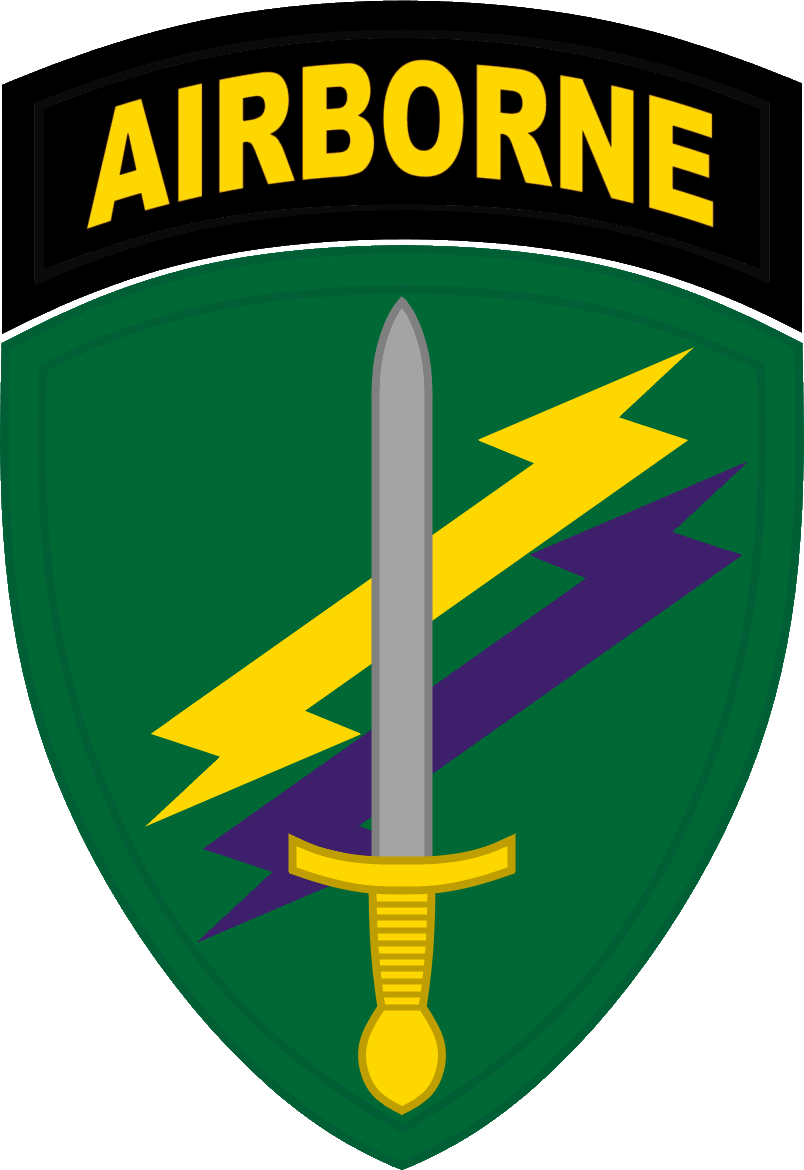

Organization and roles
The Army Reserve is organized into a variety of commands and specialized units that provide capabilities often difficult to sustain in the active force at the same scale. These capabilities include logistics, medical care, engineering, civil affairs, transportation, and military intelligence. Reservists typically follow a cyclical training pattern—often summarized as one weekend per month and a longer annual training period—so they can maintain proficiency while pursuing civilian employment. Many reservists balance service with a civilian career; for general information on the citizen-soldier model, see civilian career.
Common functions
- Medical and dental support for hospitals and expeditionary medical units.
- Logistics and sustainment: supply distribution, maintenance, and transportation.
- Engineering, construction, and infrastructure planning.
- Intelligence, signal, and communications support for deployed formations.
- Civil affairs and liaison tasks during domestic emergencies and stability operations.
History and development
The origins of the Army Reserve trace back to early 20th-century reforms. In 1908 a Medical Reserve Corps was created to ensure a pool of trained medical officers for the Army. After World War I, Congress restructured land forces: the National Defense Act of 1920 established a framework that included a Regular Army, a National Guard, and an Organized Reserve consisting of officer and enlisted components. The Organized Reserve evolved over time into today’s Army Reserve; for a concise historical reference see early reserve legislation. The Army Reserve’s role expanded especially during major 20th and 21st century conflicts and in response to large-scale domestic emergencies.
Activation, deployment, and training
Reservists can be ordered to active duty for federal missions by the President or Congress, and may also be called by state authorities in certain circumstances when operating under National Guard or state-active duty status. Training and readiness requirements are designed so units can mobilize and integrate with active forces when required. During mobilizations, reserve units often provide specialized skills that augment combat formations and sustain extended operations overseas or support disaster relief at home.
Distinctions and notable facts
It is important to distinguish the Army Reserve from the Army National Guard. While both serve as reserve components of the Army, the National Guard has a dual state-federal role and may be activated by a state's governor for local emergencies; see the role of the Army National Guard for comparison. The Army Reserve is primarily a federal component, focused on providing specific capabilities to the Department of Defense and the active Army. Throughout its history, the Army Reserve has been a key element in ensuring the wider Army maintains depth of trained personnel and specialized resources without keeping all capabilities in active-duty status.
For further official information and resources, consult primary military publications and authorized websites maintained by the Department of Defense and the U.S. Army. Additional historical context and administrative details are available through official records and legislative summaries.
Related articles
Author
AlegsaOnline.com United States Army Reserve Leandro Alegsa
URL: https://en.alegsaonline.com/art/102999
Sources
- history.army.mil : www.history.army.mil