
Urinal deodorizer block: purpose, composition, history, and safety
Small scented blocks placed in urinals to control odor and microbial growth; includes types, how they work, maintenance, environmental and health considerations, and alternatives.
A urinal deodorizer block — often called a urinal cake, urinal puck, or informally a "piss biscuit" — is a small solid unit placed in a urinal drain or trap to reduce unpleasant odors and slow bacterial growth. These blocks are common in public restrooms, sports facilities, and other high‑traffic washrooms and are designed to release fragrance and active ingredients gradually as they evaporate or dissolve.
Image gallery
3 Images
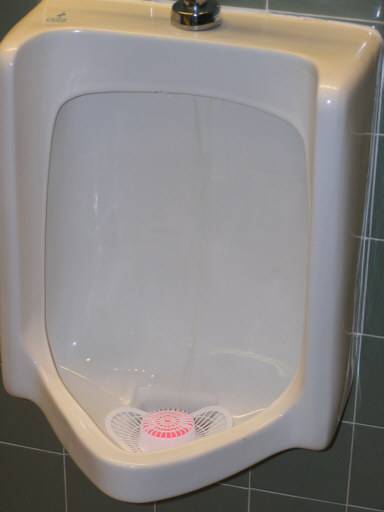

Composition and how they work
Traditional urinal blocks have been made from volatile aromatic compounds that slowly sublimate or dissolve when exposed to air and urine. Two well known base chemicals used historically are paradichlorobenzene and naphthalene; both volatilize and carry fragrance into the surrounding air. Many modern products use different chemistries such as surfactants, quaternary ammonium compounds, biodegradable carriers, or enzymatic formulations that act on odour‑causing residues. Some blocks include mild disinfectants to reduce bacterial residue; others are formulated primarily to mask or neutralize odor with fragrances.
The active mechanism is typically one or more of the following: controlled release of a volatile scent to mask odor, delivery of a biocide or surfactant that slows microbial buildup, or enzymatic breakdown of organic deposits that cause malodor. Placement over the drain helps the fragrance circulate with flush air movement and limits direct contact with urine.
Varieties and maintenance
- Chemical blocks: solid pucks with volatile compounds and fragrance.
- Enzymatic or biological blocks: use enzymes or microbes to degrade organic residue and reduce odor.
- Biodegradable or solvent‑free formulations: designed to reduce environmental persistence.
- Screen + cartridge systems: combine a physical screen with a fragrance cartridge for slower release and debris capture.
Replacement interval depends on formulation, traffic levels and product instructions. For safe use, follow manufacturer guidance and safety data sheets; for example see product and handling information available through safety data sheets.
Installation varies by urinal model; some blocks sit in a drain cup or trap, others fit into a screen assembly. For information about compatible urinal types consult technical or plumbing guidance such as sources on urinal designs and waterless urinal cartridges.
History, naming and cultural notes
Urinal deodorizer blocks have existed in various forms since the late 19th and early 20th centuries as public sanitation and indoor plumbing became widespread. Over time formulations shifted from harsh disinfectants to scented products and then to a wider range including enzyme‑based options. The variety of informal names — urinal cake, urinal mint, puck, biscuit — reflects their small, cake‑like shape and prominent placement.
Health, environmental and regulatory considerations
Certain traditional ingredients can pose health or environmental concerns. For instance, prolonged exposure to volatilized chemicals may irritate sensitive individuals, and some aromatic solids have been associated with toxic effects at high exposures. Naphthalene is known to carry health risks for susceptible individuals, and paradichlorobenzene can persist in the environment. Because of such issues, many facilities now choose lower‑emission or enzymatic products and follow disposal recommendations.
Always handle used blocks with gloves, avoid direct skin contact, and dispose of spent products according to local regulations; product disposal advice and regulatory guidance can be consulted through links such as manufacturer instructions, regulatory guidance, or local waste authorities at disposal information.
Alternatives to a traditional deodorizer block include routine mechanical cleaning, enzymatic drain cleaners, automatic air fresheners, and modern urinal cartridges designed for waterless fixtures. Choosing the most appropriate option depends on traffic, maintenance resources, health and environmental priorities, and plumbing type.
Questions and answers
Q: What is a urinal deodorizer block?
A: It is a small disinfectant block that is used to kill germs and take away the bad smell of urinals in public bathrooms.
Q: What are some other names for urinal deodorizer blocks?
A: Some other names include "piss biscuit", "urinal cake", "urinal mint", or "urinal puck".
Q: How are these blocks used?
A: They are put over the urinal drain and evaporate very slowly.
Q: Do urinal deodorizer blocks dissolve or break apart in water?
A: No, they do not dissolve or break apart in water.
Q: Do urinal deodorizer blocks take away the smell of flushing water or urine?
A: No, they do not take away the smell of flushing water or urine.
Q: What chemicals are used to make different blocks?
A: Different blocks are made with different chemicals, such as paradichlorobenzene or naphthalene.
Q: Are urinal deodorizer blocks scented?
A: Yes, they are scented to smell like different things, such as cherries.
Related articles
Author
AlegsaOnline.com Urinal deodorizer block: purpose, composition, history, and safety Leandro Alegsa
URL: https://en.alegsaonline.com/art/103605
Sources
- urbandictionary.com : "Urban Dictionary: Urinal mint"
- toiletpaperworld.com : toiletpaperworld.com/tpw/product.asp?strSku=FRS+12-3-CH&bShowSkuGroup=true