
Umlaut: diacritic dots and their role in Germanic and other languages
An overview of the umlaut—the two-dot diacritic (ä, ö, ü)—covering origin, pronunciation, orthography, examples in different languages, and distinctions from the diaeresis.
Overview
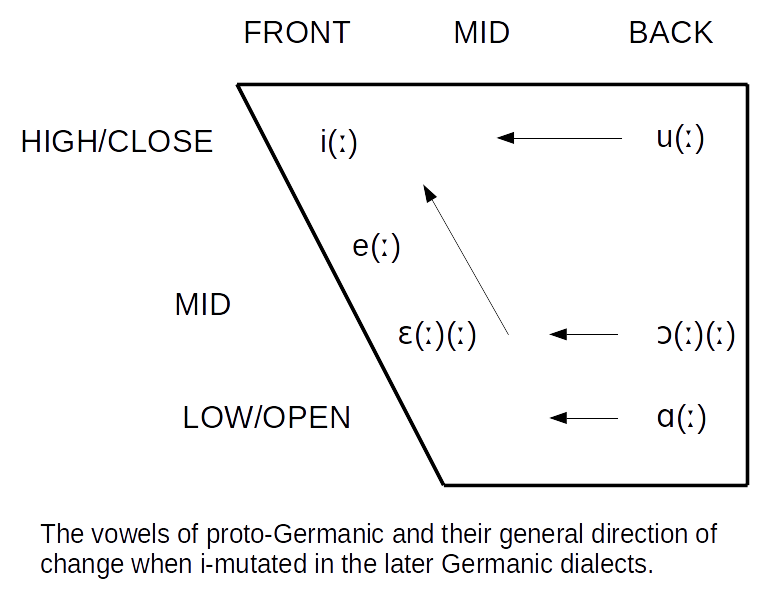
An umlaut is the pair of dots placed above a vowel, most familiar as the German letters ä, ö and ü. In linguistic terms it marks a change in vowel quality that often arose historically through fronting caused by a following i or j. The same two-dot sign also appears in other traditions for different purposes; when used to indicate separate vowel sounds it is commonly called a diaeresis, while in Germanic contexts it is called an umlaut or described as a diacritic.
Image gallery
5 Images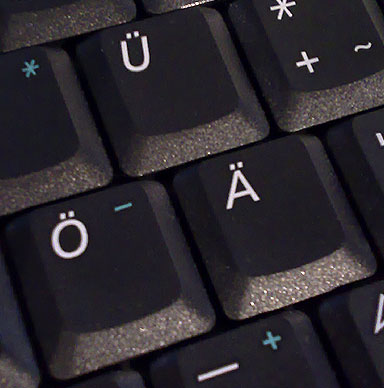



History and origin
The modern two-dot form developed in medieval orthography. Scribes originally indicated the conditioning e above a vowel to show fronting; over time that small letter simplified into a pair of dots. This graphical change explains why some languages treat the marked letters as modified vowels rather than as combinations of two letters. For background on historical development see general orthography references source.
Pronunciation and examples
In German the presence of the dots typically corresponds to a fronted vowel: ä often sounds like /ɛ/, ö like /ø/ or /œ/, and ü like /y/ or /ʏ/ in standard pronunciations. Examples show grammatical effects: Mutter becomes Mütter (mother → mothers), Haus becomes Häuser (house → houses), and schon vs schön illustrates a meaning change tied to the vowel quality. Many proper names and loanwords preserve or adapt umlauts: "Schröder" is often written "Schroeder" where the diacritic is unavailable.
Use across languages
- German: marks historical i‑umlaut and is a regular orthographic element; it can affect morphology and meaning.
- Scandinavian languages: Swedish and Finnish use ä and ö as independent letters in their alphabets.
- Turkish and Azeri use ö and ü as distinct letters with phonemic value.
- In Romance languages the same sign may function as a diaeresis to indicate that a vowel is pronounced separately, as in Spanish pingüino.
For more on language-specific roles see entries and comparisons at reference and linguistic overview.
Orthography, substitutes and computing
When the umlaut glyph is unavailable, German convention usually replaces ä, ö, ü with the digraphs ae, oe, ue. This practice appears in personal names and older print. In digital text and encoding, Unicode provides separate code points for these letters, but ASCII-era systems often used the two-letter substitutes or escape sequences. For technical guidance refer to charset and typography resources at tech and usage guides at style.
Distinctions and notable facts
Although the two-dot mark looks identical across cases, its function differs: as an umlaut it signals a historical phonological change; as a diaeresis it signals vowel separation. Some alphabets treat marked vowels as independent letters with their own place in alphabetical order (for example Swedish). The umlaut has also entered typographic and cultural awareness beyond linguistics, appearing in band names, logos and transliterations, where its presence can indicate origin, pronunciation, or stylistic effect.
Related articles
Author
AlegsaOnline.com Umlaut: diacritic dots and their role in Germanic and other languages Leandro Alegsa
URL: https://en.alegsaonline.com/art/102753