
Umberto Giordano
Umberto Giordano (1867–1948) was an Italian composer associated with the verismo opera movement. His best-known work is Andrea Chénier; he also wrote Fedora and several other stage works that shaped Italian opera.
Overview
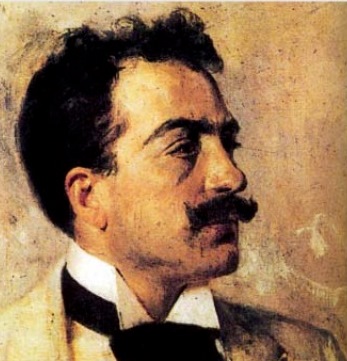
Umberto Menotti Maria Giordano (28 August 1867 – 12 November 1948) was an Italian composer best known for his contributions to the verismo school of opera. Born in southern Italy, Giordano achieved lasting fame with a small number of stage works that combined dramatic intensity with melodic immediacy. For a concise account of his life, see a brief biography.
Image gallery
3 Images

Musical style and context
Giordano worked during a period when Italian composers were moving away from grand Romantic gestures toward more realistic subjects and direct emotional expression. His music emphasizes dramatic pacing, declamatory vocal lines and orchestral color that supports the singers rather than overwhelming them. He is often grouped with contemporaries such as Mascagni and Leoncavallo as part of the verismo tendency in late 19th- and early 20th-century Italian opera.
Major works
Giordano wrote a number of stage pieces, though only a few remain regularly performed. He produced several notable operas, including:
- Andrea Chénier (1896) — his signature work, set in the years of the French Revolution and prized for its ardent final scenes and memorable tenor and soprano writing.
- Fedora — another successful drama that contains arias often heard independently in recital and on recordings.
- La cena delle beffe and Mese Mariano — later stage works that show a continued interest in theatrical storytelling, though they have not retained the same repertory presence.
Reception and legacy
Andrea Chénier remains in the international operatic repertoire and is frequently recorded and staged by major houses. While other pieces by Giordano receive intermittent revivals, his reputation chiefly rests on his skill for setting passionate, often turbulent drama to music. Modern interest places him as a significant figure in the transition of Italian opera into more realistic, emotionally immediate forms.
Notable facts
Giordano's works are valued for powerful arias and effective theatrical writing rather than for large-scale innovation. Performances of his best-known scenes continue to introduce listeners to the verismo aesthetic, and recordings of flagship numbers keep his voice present in the broader operatic canon.
Related articles
Author
AlegsaOnline.com Umberto Giordano Leandro Alegsa
URL: https://en.alegsaonline.com/art/102733