
Ulster County, New York: Overview, Geography, and Community
County in southeastern New York centered on Kingston; known for the Hudson River, Catskill Mountains, historic towns, outdoor recreation, and a mix of small cities, villages and rural areas.

Ulster County is a county in the United States located in the state of New York. It lies west of the Hudson River and includes parts of the Catskill Mountains and the Shawangunk Ridge. As recorded by the 2010 census, the county had a population of about 182,493. The administrative center and largest city is the historic town of Kingston, which served as an early state capital and remains an important cultural and governmental hub (Kingston).
Image gallery
10 Images


Geography and natural features
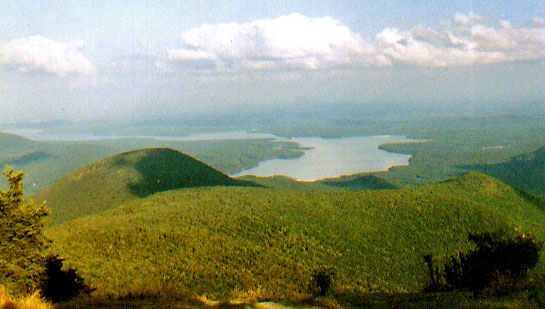
Ulster County's landscape ranges from river lowlands along the Hudson to forested highlands in the Catskills. The county is popular for hiking, fishing, and scenic drives; parts of Catskill Park and the Shawangunk Ridge conservation area are within its borders. Much of the county's character comes from its mix of farmland, forests, and small urban centers, which support both year-round residents and seasonal visitors.
History and cultural notes
The county's name reflects early colonial connections: it was named for the Irish province of Ulster, a name adopted by seventeenth- and eighteenth-century settlers and mapmakers (Ulster). Kingston, the county seat, has colonial-era architecture and a Revolutionary War legacy. Other communities grew from early Dutch and English settlements and later attracted artists, students and outdoor enthusiasts.
Communities, economy and transportation
Ulster County contains a mix of cities, towns and villages, including Kingston, New Paltz (home to a state college), Saugerties, Woodstock and Rosendale. The local economy combines education, tourism, small manufacturing, agriculture and services. Major roads and regional rail links connect residents to the Hudson Valley and the New York metropolitan area, while local bus services and parkways support intra-county travel.
Notable places and recreation
- Historic districts and museums in Kingston and smaller villages
- Outdoor recreation in the Catskills and along the Hudson
- College town culture around New Paltz and arts communities such as Woodstock

Related articles
Author
AlegsaOnline.com Ulster County, New York: Overview, Geography, and Community Leandro Alegsa
URL: https://en.alegsaonline.com/art/102681