
Udaipur — City of Lakes (Rajasthan, India)
Udaipur, founded in 1553, is a historic city in Rajasthan known for its interconnected lakes, royal palaces, Rajput heritage, traditional crafts and a major role in regional tourism and culture.
Overview
Udaipur, often called the "City of Lakes" and sometimes described as the "Kashmir of Rajasthan," is a prominent urban and cultural center in the Indian state of Rajasthan. It functions as the administrative headquarters of Udaipur district; for official information see the district administration. The city is set within the Aravalli Hills and is renowned for scenic lakes, historic palaces and active craft traditions that attract domestic and international visitors.
Image gallery
10 Images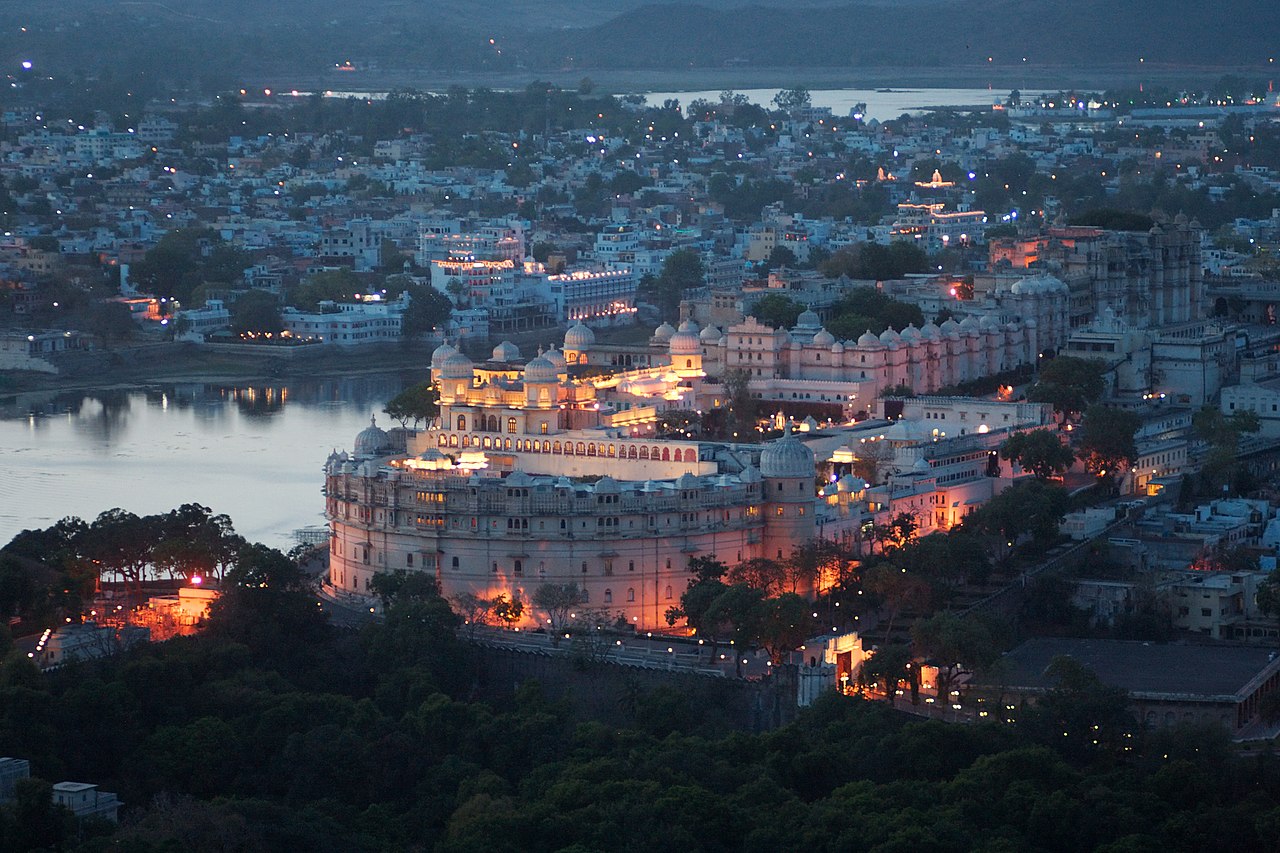



Geography and lakes
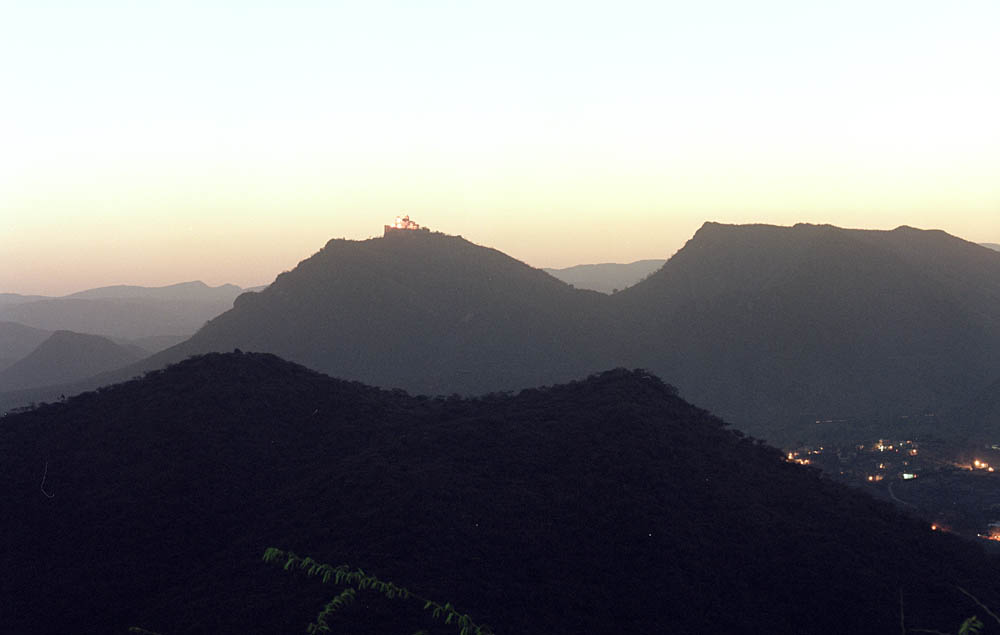
The urban landscape of Udaipur is shaped by a series of natural and artificial lakes. Major water bodies such as Pichola and Fateh Sagar form a linked system that influences microclimate, groundwater recharge and local agriculture. Embankments, gardens and promenades around these lakes create public open spaces. The surrounding Aravalli ridges provide elevated viewpoints and sheltering valleys that contribute to the city's distinctive topography.
History
Udaipur was founded in 1553 by Maharana Udai Singh II of the Sisodia dynasty when the Mewar court moved from Chittorgarh to a more defensible site. It developed as the capital of the Mewar kingdom and remained an important seat of Rajput authority. Over centuries, rulers invested in reservoirs, temples and palace complexes that combined practical water management with expressions of royal patronage and local craftsmanship. For historical context on the regional polity see Mewar.
Architecture and cultural heritage
The city's built heritage includes the lakeside City Palace complex, island palaces such as Jag Mandir, embellished temples, and historic havelis. Many structures exhibit Rajput architectural motifs—ornate balconies, courtyards and carved stonework—alongside later stylistic influences. Udaipur is also known for miniature painting schools, textile crafts, and metal and silverwork, traditions maintained by local artisans and displayed in museums and craft bazaars.
Festivals, arts and public life
Festivals, processions and classical music and dance are important to civic life. Public events, craft fairs and cultural programmes take place throughout the year and contribute to the city's cultural economy. Institutions and heritage trusts organise exhibitions and conservation projects that aim to balance tourism with preservation of living traditions.
Economy, tourism and access
Tourism is a primary economic driver, supported by hospitality services, guided heritage tours and sale of handicrafts. Udaipur is accessible by road, rail and a regional airport, with regular connections to major cities; practical visitor guidance and official tourism information can be consulted at local tourism resources such as tourist information sources. The city caters to both short-stay visitors and longer cultural itineraries within Rajasthan.
Conservation and challenges
Managing water resources, protecting built heritage, and ensuring sustainable tourism are ongoing priorities. Urban growth, seasonal water variability and pressure on traditional crafts pose challenges that local authorities, heritage organisations and community groups address through restoration projects, regulation and public awareness campaigns.
Notable landmarks and attractions
- City Palace complex and museum galleries overlooking Lake Pichola.
- Island palaces and gardens that feature in local history and hospitality.
- Historic temples, traditional havelis and artisan quarters offering painting and textile work.
- Public gardens, promenades and viewpoints in the Aravalli foothills.
Udaipur remains a major center for culture and heritage in western India, combining a long historical legacy with contemporary tourism and craft economies. Visitors and researchers often explore its palaces, lakes and living traditions to understand both the region's past and its role today as a focal point for cultural exchange and conservation.
Questions and answers
Q: What is Udaipur?
A: Udaipur is a major city, municipal corporation, and the administrative headquarters of the Udaipur district in the Indian state of Rajasthan.
Q: What is Udaipur known for?
A: Udaipur is known as the "City of Lakes" or the "Kashmir of Rajasthan."
Q: What was the historic capital of the kingdom of Mewar?
A: Udaipur was the historic capital of the kingdom of Mewar in the former Rajputana Agency.
Q: When was Udaipur founded?
A: Udaipur was founded in 1553 by Maharana Udai Singh of the Sisodia clan of Rajput.
Q: Where was the capital before it was shifted to Udaipur?
A: The capital was shifted from the city of Chittorgarh to Udaipur.
Q: Who was the founder of Udaipur?
A: Maharana Udai Singh of the Sisodia clan of Rajput was the founder of Udaipur.
Q: What is the administrative headquarters of the Udaipur district?
A: Udaipur is the administrative headquarters of the Udaipur district.
Related articles
Author
AlegsaOnline.com Udaipur — City of Lakes (Rajasthan, India) Leandro Alegsa
URL: https://en.alegsaonline.com/art/102499
Sources
- census2011.co.in : "Udaipur City Census 2011 data"
- commons.wikimedia.org : Udaipur