
Two for the Road (1967 film)
A 1967 road-movie that examines a long-term relationship through nonlinear flashbacks, starring Audrey Hepburn and Albert Finney and directed by Stanley Donen.
Overview
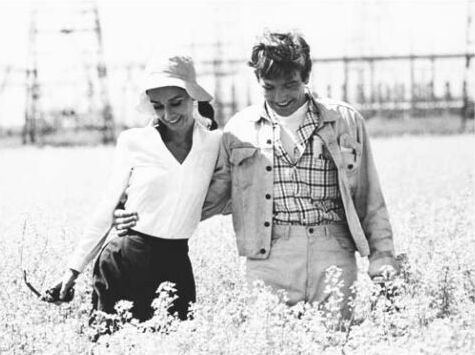
Two for the Road is a 1967 feature directed by Stanley Donen that blends elements of comedy and drama. The story follows a couple, played by Audrey Hepburn and Albert Finney, as they travel through southern France. Presented as a series of road trips and intercut memories, the film examines the evolution of their relationship over many years and uses the journey motif to explore time, affection, and discord.
Image gallery
5 Images


Structure and themes
Rather than a linear plot, the film uses episodic scenes and flashbacks to contrast different moments in the couple's marriage. Themes include the negotiation of identity within partnership, the persistence of memory, and how chance encounters and personal choices reshape lives. The alternate tones of humor and melancholy are sustained by brisk dialogue and shifts in editing that emphasize subjective experience.
Production and style
Shot largely on location in the French countryside and coastal areas, the picture is notable for its stylish production values: elegant wardrobe, scenic road sequences, and a score that underscores both romance and irony. The film's visual rhythm—cutting between time periods and moods—became a distinctive stylistic element and helped set it apart from more conventional romantic films of the era.
Cast and characters
- Audrey Hepburn as Joanna Wallace, whose performance balances poise and vulnerability.
- Albert Finney as Mark, a more mercurial and passionate counterpart.
- Supporting roles fill out friends and strangers encountered on the road, reinforcing the film's episodic, travelogue quality.
Reception and legacy
On release the film drew largely positive reviews: critics praised the performances, the inventive editing, and the way the screenplay treated adult relationships without sentimentality. Over time it has been regarded as an influential example of the romantic road movie and is often cited for its frank, mature portrayal of marriage. Its combination of wit, heart, and formal playfulness continues to attract viewers and filmmakers interested in nonlinear storytelling.
Notable facts
The film links intimate character study with the freedom and unpredictability of travel, using the road as both setting and metaphor. It remains a reference point for later films that examine relationships through fragmented memory and shifting chronology. For further information consult modern film guides and archival reviews at resources such as contemporary databases and regional travel-based studies of cinema set in France.
Related articles
Author
AlegsaOnline.com Two for the Road (1967 film) Leandro Alegsa
URL: https://en.alegsaonline.com/art/102281