
Belgian Grand Prix
The Belgian Grand Prix is a long-standing Formula One race most associated with the Circuit de Spa-Francorchamps — a high-speed, rain-prone Ardennes classic with a rich motorsport history since the 1920s.
Overview
The Belgian Grand Prix is a premier motor race that is part of the Formula One World Championship. Traditionally held in the Ardennes region of Belgium, it is best known for the Circuit de Spa-Francorchamps, a venue synonymous with high speeds, dramatic elevation changes and frequently changeable weather. The event attracts drivers and fans worldwide and occupies a distinctive place in international motorsport.
Image gallery
6 Images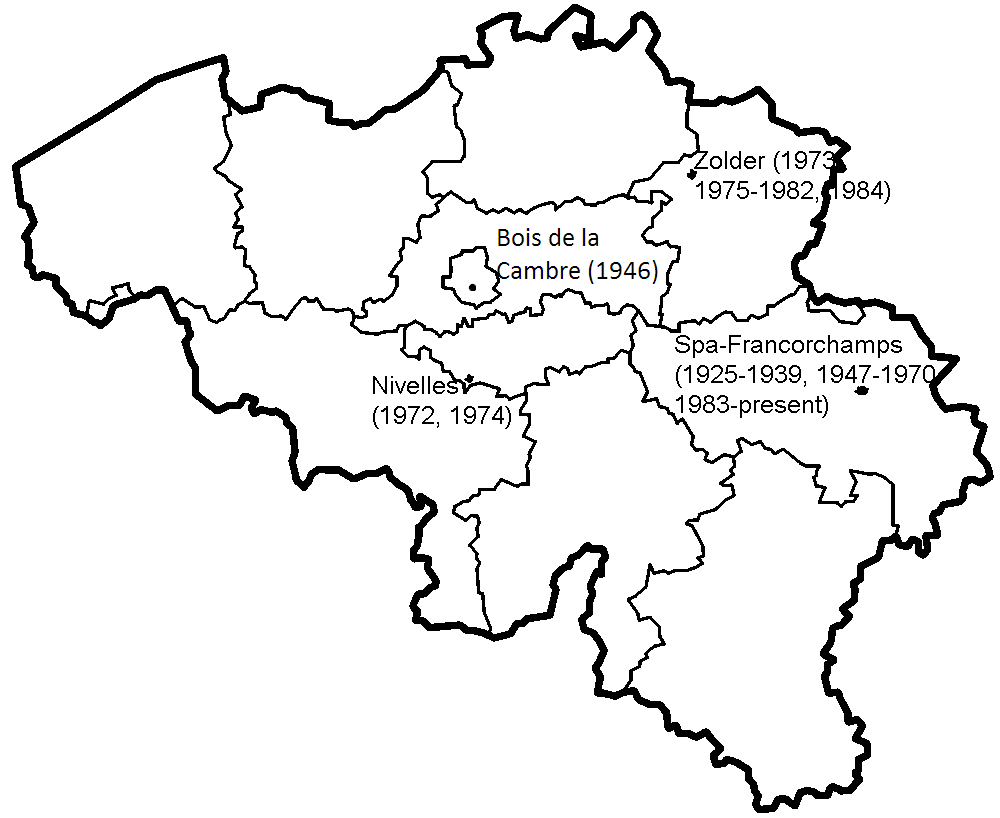


Circuit and characteristics
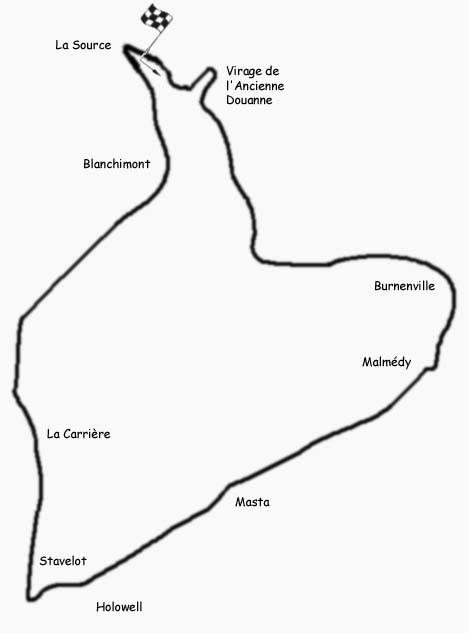
Spa-Francorchamps is celebrated for its fast, flowing layout and a sequence of corners that demand bravery and precision. Notable sections include the climb through Eau Rouge and the sweeping Kemmel Straight; these features reward aerodynamic efficiency and driver nerve. Because the circuit was originally laid out on public roads through a hilly, forested area, it often experiences localized rain, so mixed wet-and-dry races are common. Spa is also notable among modern grands prix for being one of the longest circuits used in the championship calendar.
History and development
The roots of major motor racing in the Spa area go back to the early 20th century. A purpose-built track for the region was constructed in the early 1920s to accommodate growing interest in car and motorcycle competition; the first Belgian national Grand Prix was staged in 1925. Over the decades the circuit and event evolved: the original, very long public-road layout was altered and shortened in stages, and safety-driven changes were implemented after several eras of high-speed competition. The Spa venue also spawned endurance events, inspired by similar races elsewhere in Europe.
Alternate venues and changes
Although Spa-Francorchamps is the location most associated with the Belgian Grand Prix, the race has occasionally been run at other Belgian circuits when Spa was unavailable or undergoing alterations. During the 1970s and 1980s, several modern safety and infrastructure modifications led organizers to move or adapt the event until the revised Spa layout met contemporary standards. These shifts reflect the balance between preserving historic character and meeting modern safety requirements.
Significance and notable facts
- The Belgian Grand Prix is one of the sport’s classic rounds and a highlight of the European racing season.
- Spa’s elevation changes and microclimate make strategy, tyre choice and timing of pit stops especially important.
- Its long lap length and combination of high-speed and technical corners make Spa a favorite test of car performance and driver skill.
Further reading
For more information about the event’s place in the world championship and its circuit history, see official race sources and historic summaries at Belgian motor sport archives, contemporary reports on Spa-Francorchamps, and broader championship overviews at Formula One resources and preserved historical collections covering early endurance races.
Questions and answers
Q: What type of race is the Belgian Grand Prix?
A: The Belgian Grand Prix is a motor race that is part of the Formula One World Championship.
Q: When was the first national race of Belgium held?
A: The first national race of Belgium was held in 1925 at the Spa region's race course.
Q: When did the Circuit de Spa-Francorchamps race course open?
A: The Circuit de Spa-Francorchamps race course opened in 1921.
Q: What type of racing took place at the track before 1924?
A: Before 1924, only motorcycle racing took place at the track.
Q: What event inspired the creation of a similar 24 hour endurance race at Spa?
A: The 1923 success of the new 24 hours of Le Mans in France inspired the creation of a similar 24 hour endurance race at Spa, called the Spa 24 Hours.
Tags
Related articles
Author
AlegsaOnline.com Belgian Grand Prix Leandro Alegsa
URL: https://en.alegsaonline.com/art/10227