
Twelfth Night, Or What You Will
A concise encyclopedia article on Shakespeare's comedy Twelfth Night: overview, plot, characters, themes, history, and its lasting stage and cultural impact.
Overview
Twelfth Night, or What You Will is a comic play by William Shakespeare. Written in the early 17th century, it is classed among his great festive comedies and explores identity, love, and social ambition through disguise, mistaken identity, and witty dialogue. The title alludes to the English holiday Twelfth Night, a time of revelry and license when social roles could be temporarily inverted.
Image gallery
10 Images


Plot and principal characters
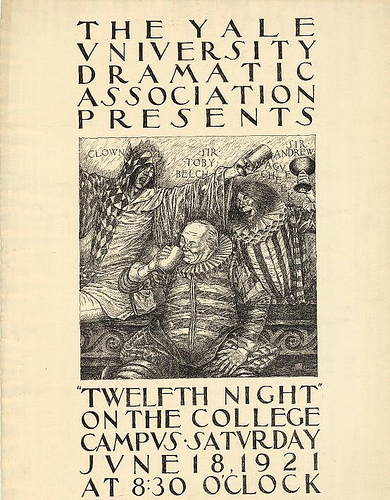
The central plot follows Viola, shipwrecked and believing her twin brother Sebastian has drowned. She disguises herself as a young man, Cesario, and enters the service of Duke Orsino. Orsino sends Cesario to court the countess Olivia on his behalf, but Olivia falls for Cesario while Viola falls for Orsino. A series of comic subplots involve Olivia's pompous steward Malvolio, the drunken Sir Toby Belch and Sir Andrew Aguecheek, and the clever fool Feste. By the play's end the tangled identities are resolved and multiple marriages occur.
Characters and structure
- Viola/Cesario — resourceful and sympathetic protagonist in disguise.
- Orsino — lovesick nobleman, poetic about love.
- Olivia — wealthy lady who rejects Orsino and falls for Cesario.
- Sebastian — Viola's twin; his arrival drives the final recognition scenes.
- Malvolio, Sir Toby, Sir Andrew, Feste — comic ensemble who create a counterpoint of social satire and farce.
Themes, language and tone
The play balances playful farce with more serious observations about gender, love, and self-deception. Its use of disguise raises questions about performance and identity that have attracted extensive critical and theatrical attention. Shakespeare mixes lyrical love poetry with earthy comic banter, and the ambiguous tone allows readings as both light entertainment and a more pointed commentary on social pretence.
Performance history and cultural impact
Twelfth Night has enjoyed continuous popularity on stage, in adaptations and in film. Directors often emphasize either the romantic or the cynical aspects of the play; modern productions frequently play with gender and casting to highlight its questions about identity. The play's memorable characters and famous comic scenes—especially the plot against Malvolio—ensure it remains a staple of theatre repertoires and a frequent subject of academic study.
Notable facts
- The play is notable for its exploration of cross-dressing and gender roles within early modern drama.
- Its subtitle, What You Will, suggests openness to interpretation.
- It blends romantic and satiric modes, making it adaptable to many eras and styles.
For general background and editions consult standard Shakespeare collections and academic introductions that survey the play's language, performance history and critical debates. For further reading and production notes see resources linked at related sites.
Related articles
Author
AlegsaOnline.com Twelfth Night, Or What You Will Leandro Alegsa
URL: https://en.alegsaonline.com/art/102220