
Turntablism: the art of manipulating sound with turntables
Turntablism is the creative practice of using phonograph turntables and a mixer to perform and reshape recorded sound through techniques such as scratching, beat juggling, and live sampling.
Turntablism is the practice of using phonograph turntables and a DJ mixer as performance instruments to manipulate recorded audio in real time. Rather than simply playing records, turntablists alter pitch, rhythm and texture to make new musical phrases. The practice spans live performance, studio production and sound design and has become a distinct discipline within DJ culture and contemporary music.
Image gallery
10 Images
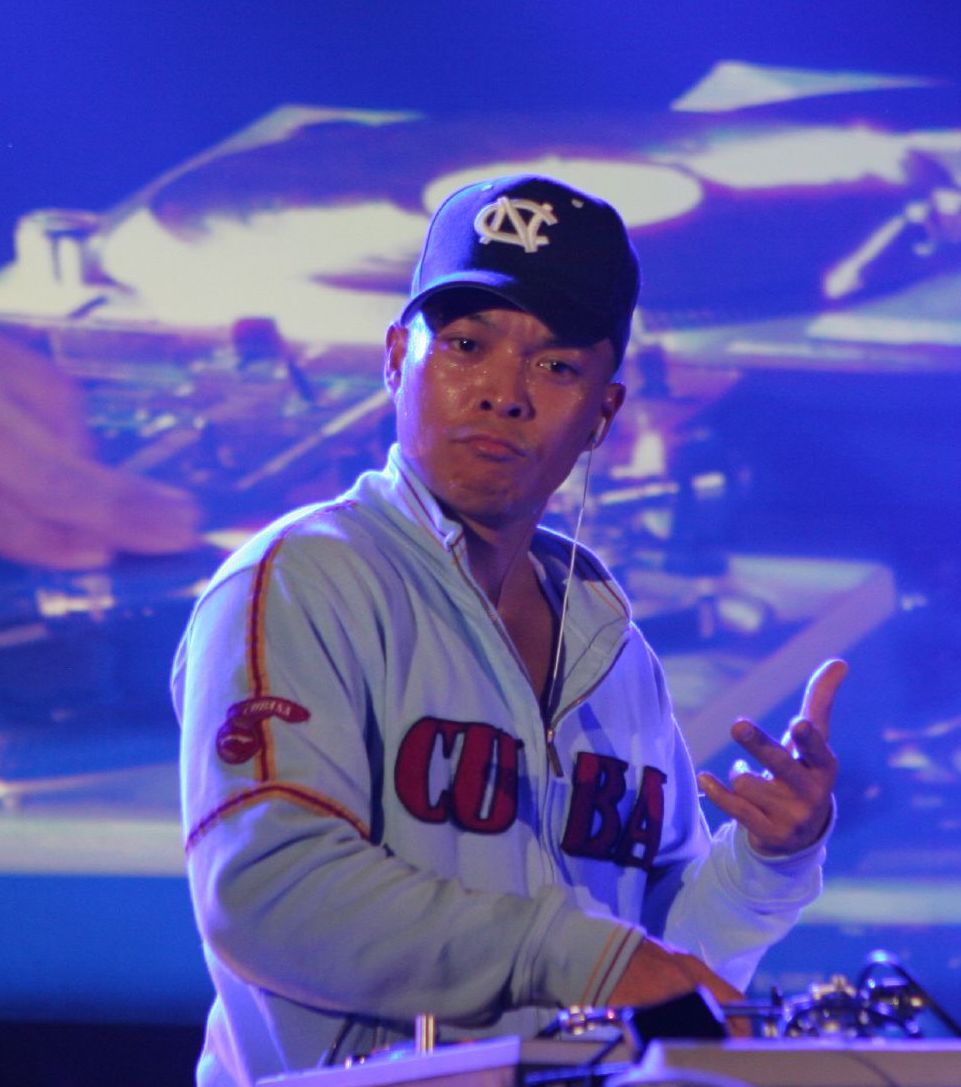


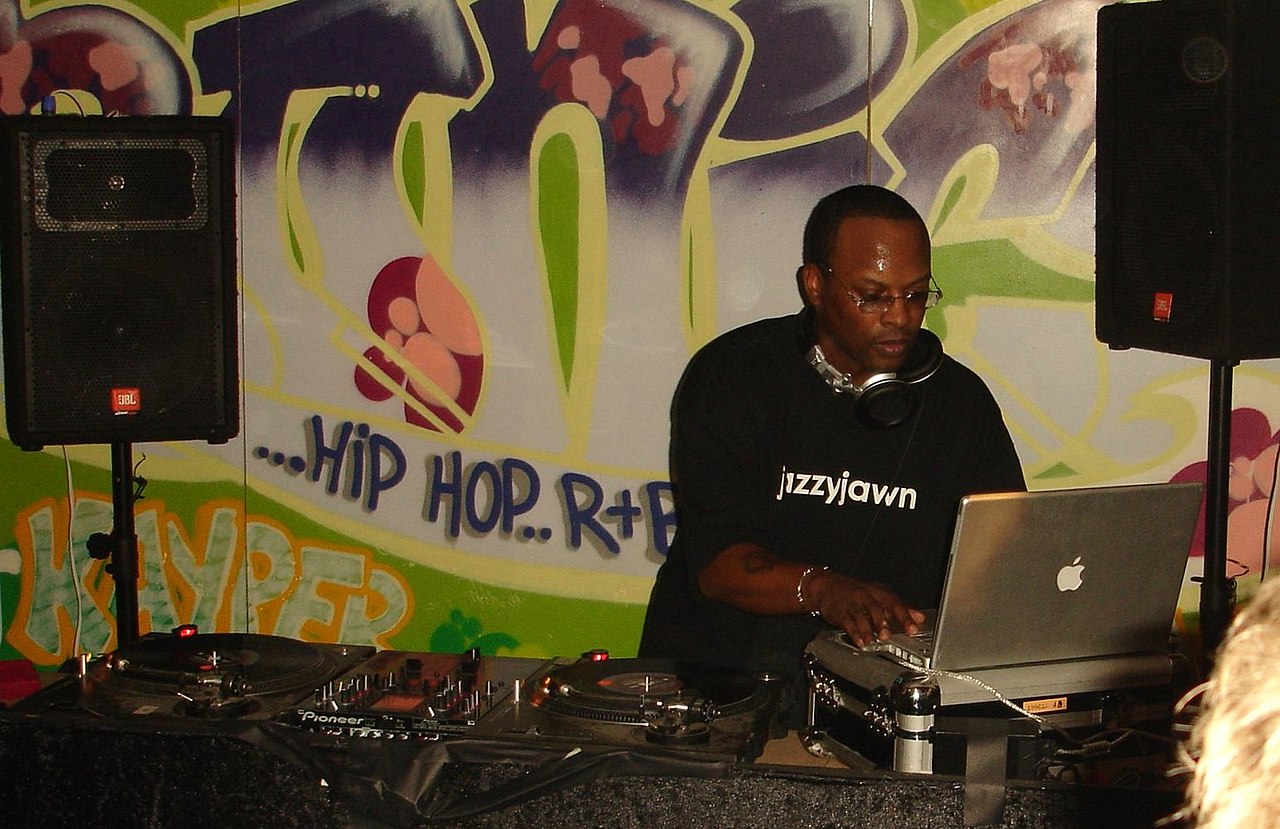
Characteristics and common techniques
Turntablism relies on a small toolkit of gestures and controls. Typical techniques include:
- Scratching — moving a record back and forth under the stylus to produce percussive or pitched sounds.
- Beat juggling — using two records to rearrange and repeat beats, creating new rhythmic structures.
- Backspinning and baby scratches — short, rhythmic rewinds and simple forward/back motions.
- Needle dropping and chirps — precise placement of the stylus to cue sounds and produce staccato effects.
- Digital integration — using timecode vinyl or DJ software to apply traditional techniques to digital sound files.
History and development
Turntablism emerged from early DJ practices in urban dance scenes during the 1970s and 1980s, where DJs extended the drum breaks of records to keep dancers moving. Innovators experimented with cutting, mixing and manipulating records to emphasize rhythm and texture. Over time, experimentation evolved into codified techniques, competitive performance and studio approaches that expanded the musical vocabulary of electronic and hip hop music.
Equipment and setup
A typical turntablist setup centers on two phonograph turntables (often direct-drive models prized for stable torque) and a mixer with a crossfader. Additional tools include slipmats to reduce friction, cartridges and needles suited for live manipulation, and effects units. Modern practitioners may pair traditional decks with timecode systems or controllers to work with digital libraries while retaining tactile control.
Uses, examples and cultural impact
Turntablism has influenced hip hop, electronic and experimental music, and it appears in clubs, concerts, radio and recorded albums. Competitive events, workshops and festivals have helped formalize skills and spread techniques. In performance contexts, turntablists function as solo artists, collaborators with bands, or producers who incorporate manipulated sounds into compositions.
Distinctions and notable facts
Although often grouped with DJing, turntablism emphasizes active sound manipulation rather than selection or continuous programming of tracks. The question of whether turntables are musical instruments has prompted debate; many musicians and educators now treat them as expressive instruments capable of nuance and technique. For more on the hardware often associated with this practice, see turntables.
Related articles
Author
AlegsaOnline.com Turntablism: the art of manipulating sound with turntables Leandro Alegsa
URL: https://en.alegsaonline.com/art/102137