
Typesetting: history, methods, and modern practice
Overview of typesetting: its purpose, principal methods from movable type to digital fonts, workflow steps, common uses, and distinctions between mechanical and digital approaches.
Overview
Typesetting is the craft and technical process of arranging text and related symbols for printing or display. It brings predesigned letterforms together into lines, paragraphs and pages so that written material can be reproduced legibly and attractively. In mechanical traditions the physical pieces were called sorts, while in contemporary digital practice the shapes are referred to as glyphs or font outlines.
Image gallery
6 Images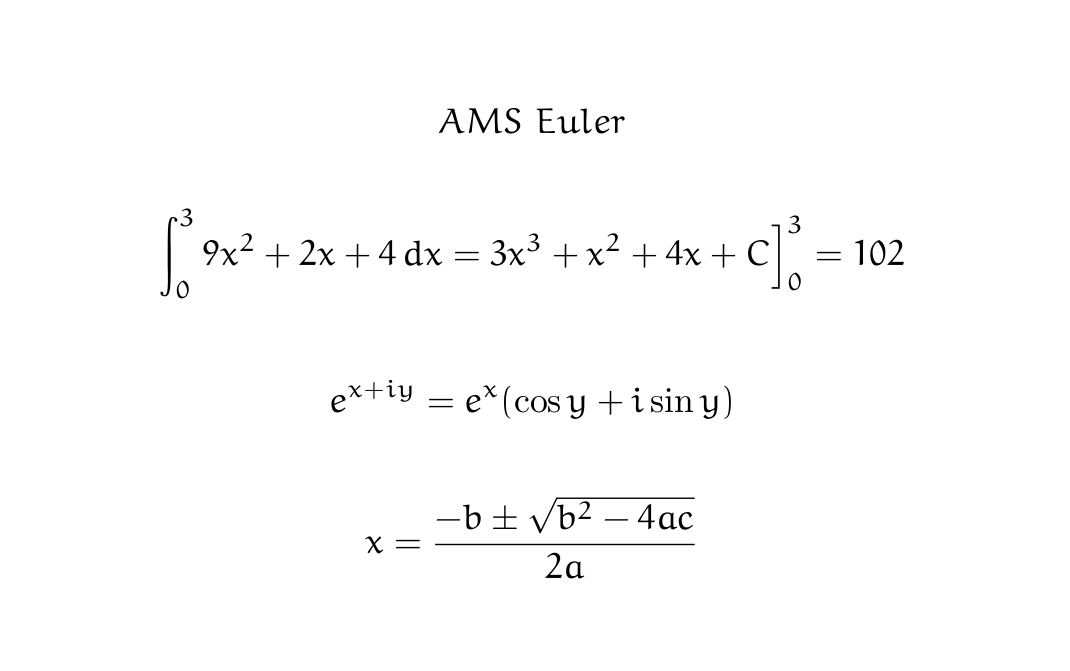


Characteristics and components
Effective typesetting balances legibility, readability and visual rhythm. Key elements include typeface selection, point size, line length, line spacing (leading), letterspacing (tracking and kerning), and hierarchy for headings and body text. Typesetting also considers page margins, column width, and the interaction of text with other elements such as images and tables.
History and development
Typesetting evolved from hand-copying to mechanical movable type and later to photographic and electronic systems. Early movable type made mass reproduction possible and shaped the layout conventions still used today. Phototypesetting introduced optics and film, while the computer age replaced film with digital fonts and algorithms that calculate spacing and line breaks automatically.
Typical process and techniques
Modern typesetting may be manual, semi-automatic or fully automated. Common stages include:
- Design: creating or choosing a typeface and defining sizes and styles.
- Composition: ordering glyphs into text blocks and applying spacing rules.
- Proofing: checking for typographic errors and visual problems.
- Output: producing the final printed page or electronic file for display.
Uses and importance
Typesetting is central to books, newspapers, magazines, packaging, signage and digital interfaces. Good typesetting improves comprehension and user experience; poor typesetting can make content tiring or ambiguous. Designers and publishers rely on typesetting to establish tone, readability and brand consistency across media.
Distinctions and notable facts
Distinguish between typeface (the family of letterforms) and font (a specific weight, style and size). Mechanical sorts required individual handling of characters; digital glyphs are stored as mathematical outlines and metadata. Advanced typesetting systems also support language-specific rules such as hyphenation and script shaping to respect a language's orthography.
Whether in traditional print or on screens, typesetting remains a blend of technical standards and aesthetic judgment, connecting typography's history to contemporary communication.
Questions and answers
Q: What is typesetting?
A: Typesetting is the process of creating block-printed writing using sorted types or shapes of letters.
Q: What are the steps involved in typesetting?
A: Typesetting involves designing a font and storing it, followed by organizing the stored letters or glyphs in the appropriate order for displaying on a page.
Q: What are sorts in mechanical systems?
A: In mechanical systems, the stored letters are called sorts.
Q: What are glyphs in digital systems?
A: In digital systems, the stored letters are called glyphs.
Q: How is typesetting beneficial in printing?
A: Typesetting helps to create clear and organized printed material that is easy to read, as the letters are arranged in the proper sequence and spacing.
Q: What is the importance of designing a font in typesetting?
A: Designing a font is important in typesetting because it determines the shape and style of the letters used in creating printed material.
Q: What is orthography in typesetting?
A: Orthography refers to the correct ordering and arrangement of letters or glyphs in typesetting, according to the rules and conventions of a language.
Related articles
Author
AlegsaOnline.com Typesetting: history, methods, and modern practice Leandro Alegsa
URL: https://en.alegsaonline.com/art/102360
Sources
- dictionary.reference.com : Dictionary.reference.com
- web.utk.edu : U01-0547, "Introduction to SCRIPT,"
- en.wiktionary.org : typesetting