
Tungurahua — an active Ecuadorian stratovolcano
Tungurahua is an active stratovolcano in the Ecuadorian Andes. Named “Throat of Fire,” it reawakened in 1999 and has been a prominent source of ash, pyroclastic flows and evacuations.
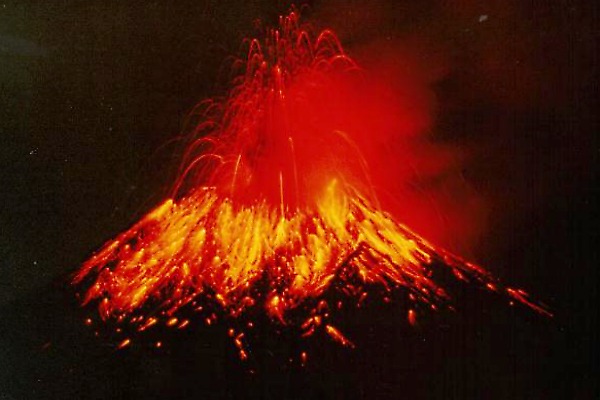
Tungurahua (from Quichua tunguri, “throat,” and rahua, “fire”), commonly called the "Throat of Fire," is a steep, conical stratovolcano in the high Andes of Ecuador. It towers above nearby valleys and gives its name to the surrounding Tungurahua Province. The mountain is well known both for its dramatic eruptions and for the communities that live in its shadow.
Image gallery
9 Images




Physical characteristics
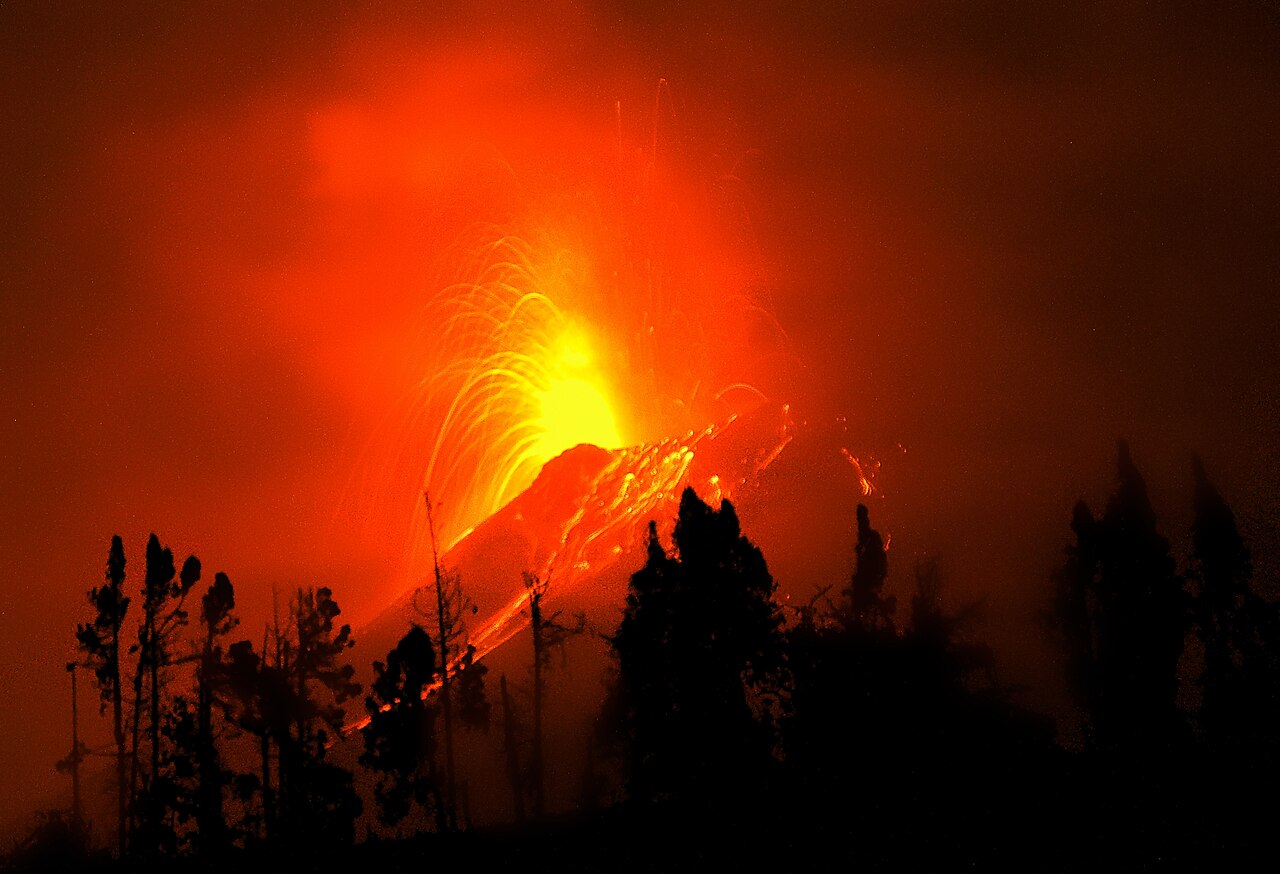
Tungurahua has a classic layered structure built from alternating lava flows, volcanic ash and pyroclastic deposits. The summit area contains a summit crater that has been the source of explosive activity in recent decades. Its eruptions are typically andesitic to dacitic in composition, which favors explosive behavior: ash plumes, incandescent blocks and fast-moving pyroclastic flows that can travel down steep volcano flanks.
History and recent activity
Records and oral histories indicate Tungurahua has erupted repeatedly over centuries. After a period of relative quiet, the volcano reawakened on 19 August 1999 and entered an extended phase of intermittent eruptions. Throughout the 2000s and into the 2010s the activity included ash columns, repeated explosions, and periodic pyroclastic flows and lahars; these events prompted evacuations of nearby towns at various times. Because of its persistent unrest, Tungurahua has been one of Ecuador's most closely watched volcanoes.
Hazards and monitoring
Primary hazards associated with Tungurahua are:
- Ash fall that can disrupt air traffic, damage crops and buildings, and affect water supplies;
- Pyroclastic flows and surges that follow valleys and pose grave threats near the volcano;
- Lahars (volcanic mudflows) generated when ash and debris mix with rain, especially during the rainy season;
- Ballistic ejecta and localized fires near the summit.
These hazards have led national and local authorities to maintain permanent monitoring systems, to issue regular advisories and to plan evacuations when activity intensifies.
Human and scientific significance
Tungurahua shapes local life and economy. The tourist town of Baños lies on the volcano's eastern flanks and has both benefited from and been disrupted by Tungurahua's activity. Farmers and communities in adjacent valleys face repeated risk and occasional displacement. At the same time, the volcano offers valuable opportunities for volcanologists to study eruption dynamics, hazard mitigation and the social response to persistent volcanic unrest. Its name and eruptions figure prominently in local culture and contemporary disaster planning.
Related articles
Author
AlegsaOnline.com Tungurahua — an active Ecuadorian stratovolcano Leandro Alegsa
URL: https://en.alegsaonline.com/art/102022
Sources
- volcano.si.edu : "Tungurahua"
- igm.gov.ec : "Baños Ecuador, CT-ÑIV-D1"
- volcanodiscovery.com : "Tungurahua volcano"
- news.bbc.co.uk : "In the shadow of the Tungurahua volcano"
- photoblog.nbcnews.com : "Tungurahua volcano erupts in Ecuador"
- abcnews.go.com : "Ecuador's Tungurahua Volcano shoots ash and lava"
- nytimes.com : nytimes.com/2015/08/25/science/mount-tambora-volcano-eruption-1815.html?_r=0