
Tulsidas: Poet of the Ramcharitmanas and the North Indian Bhakti Tradition
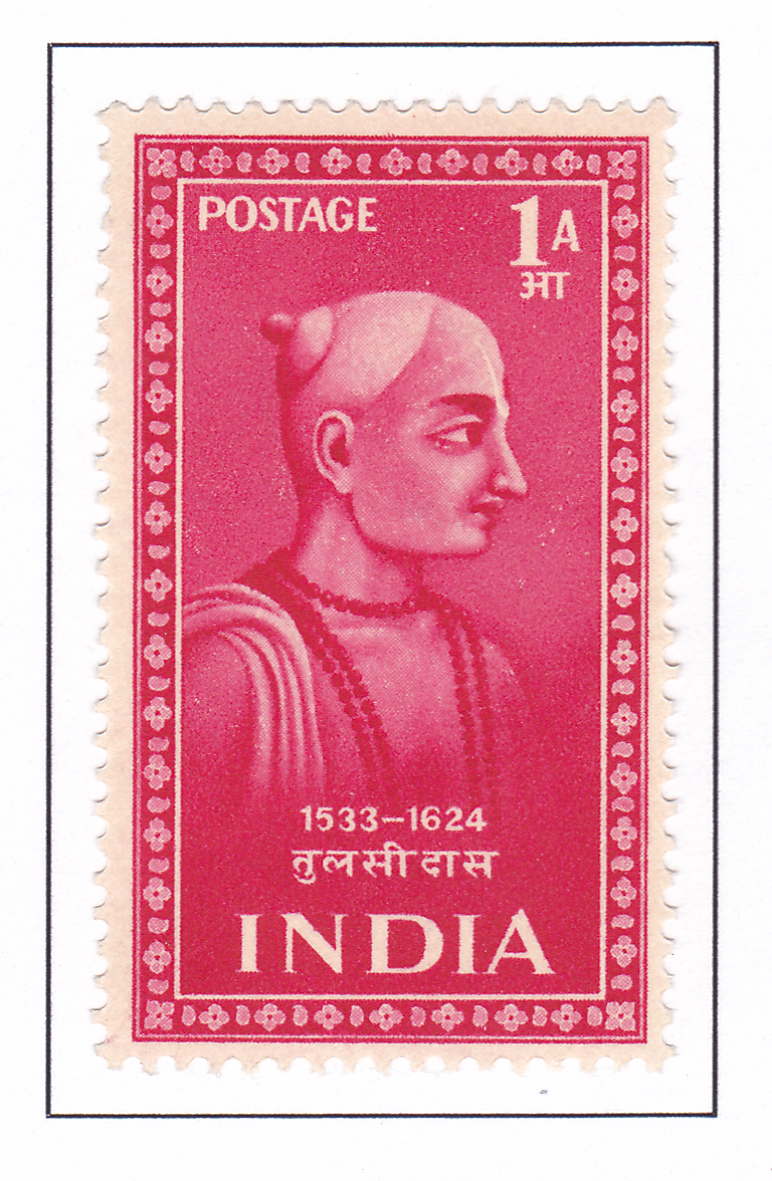
Tulsidas (c.16th–17th century) was a Hindi devotional poet-saint best known for the Ramcharitmanas. His vernacular works shaped bhakti practice, performance, and modern Hindi literature across North India.
Tulsidas is remembered as one of the most influential devotional poets in the North Indian bhakti tradition. Working in a period commonly dated to the late sixteenth and early seventeenth centuries, he composed vernacular retellings, hymns and didactic poems that brought classical Sanskrit narratives into the everyday religious life of large audiences. His best-known work, the Ramcharitmanas, is a lyrical retelling of the Ramayana narrative that centers on the life and moral example of Rama and the ideals of dharma and devotion.
Image gallery
10 Images




Life and background
Biographical information about Tulsidas mixes historical references with later hagiographical accounts. Many traditions place his birthplace in Rajapur or nearby sites in the Ganges plain of present-day Uttar Pradesh. Sources give different dates for his life, but he is commonly associated with the sixteenth–seventeenth century milieu of north India. Traditional biographies call him a Sarayuparina Brahmin and sometimes name his parents as Atmaram Dubey and Hulsi; such details are preserved in devotional literature and local memory.
Major works
Tulsidas produced a corpus of devotional writings that have remained central to Hindu religious practice. Principal compositions include:
- Ramcharitmanas — an Awadhi-language epic poem and prose narration that retells the story of Rama for a vernacular audience.
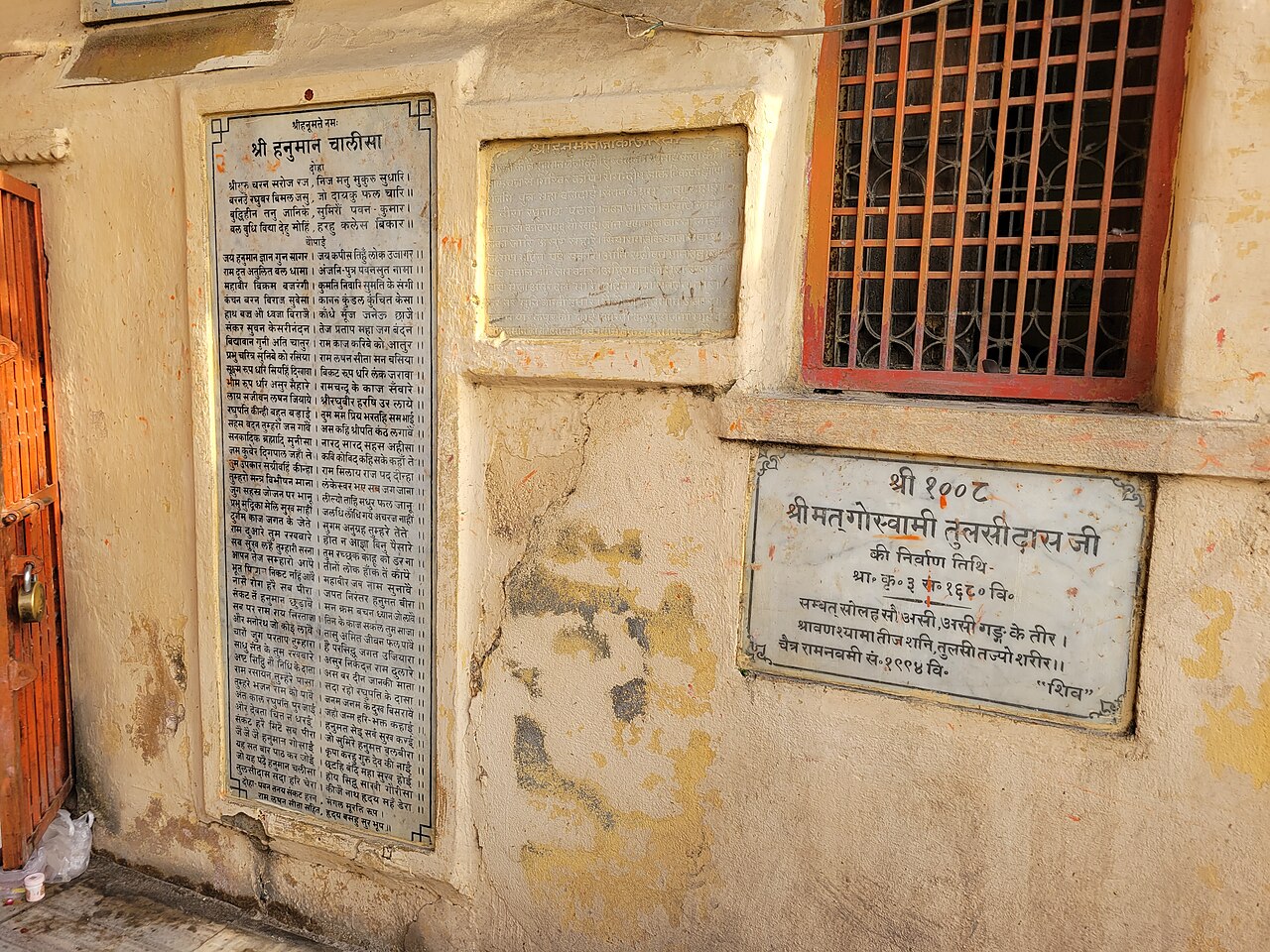
- Hanuman Chalisa — a short, widely recited hymn in praise of Hanuman that is used in private devotion and public ritual.
- Vinaya Patrika, Kavitavali, Dohavali and other collections — devotional poems, petitions and ethical verses forming part of everyday liturgy.
Language, literary style and themes
Tulsidas composed primarily in Awadhi, a regional dialect within the broader Hindi language family, which made his works accessible to listeners and readers outside the Sanskrit-educated elite. His style combines straightforward couplets, dramatic narration and mnemonic devices suitable for oral performance. Major themes include bhakti (devotion), ideal conduct, the moral teachings associated with Rama, and the transformative power of surrender to God. Because he wrote in the vernacular, his works were adopted in household worship, temple liturgies and public recitations.
Religious significance and traditions
Devotional traditions often venerate Tulsidas as both poet and saint. Some communities regard him as an incarnation of earlier sages; other accounts associate him with the sage Valmiki in terms of literary succession. His writings have been central to popular forms of worship focused on Rama and Sita, and passages from the Ramcharitmanas and the Hanuman Chalisa are commonly recited during festivals and rites of passage.
Performance, festivals and institutions
Tulsidas’s retelling contributed to the growth of public performance forms such as Ramlila, dramatic enactments of Rama’s life that remain popular across North India. He is also associated with important devotional centers; for example, the Sankat Mochan temple tradition in Varanasi commemorates his association with Hanuman devotion and community worship. His works helped shape regional devotional pieties and influenced vernacular literary standards that later contributed to modern Hindi literature and popular culture.
Legacy and study
Scholars approach Tulsidas’s life with care, distinguishing historical facts from devotional embellishment. Nevertheless, his literary influence is widely acknowledged: the Ramcharitmanas has been printed, translated and performed for centuries, and its language and images continue to inform popular understandings of the Rama story. For readers seeking literary or religious studies, introductory surveys consider Awadhi traditions (Awadhi), the history of the Hindi literary tradition and comparative treatments of the Ramayana corpus. Tulsidas’s poems keep functioning as both devotional material and literary texts, sustaining rituals, festivals and scholarly interest across generations.
Related articles
Author
AlegsaOnline.com Tulsidas: Poet of the Ramcharitmanas and the North Indian Bhakti Tradition Leandro Alegsa
URL: https://en.alegsaonline.com/art/101998