
Truthiness
Truthiness is the quality of seeming true based on intuition or belief rather than objective evidence. Coined in popular satire, it describes a cultural tendency to prefer feelings over facts.
Overview
Truthiness describes the impression that a claim is true because it feels right, not because it is supported by facts, evidence, or sound reasoning. The term entered public use as a satirical label for statements and arguments that appeal to emotion, instinct, or belief. It is often invoked in discussions about media, politics, advertising, and social discourse to identify assertions that gain acceptance through rhetorical force rather than demonstrable truth.
Image gallery
2 Images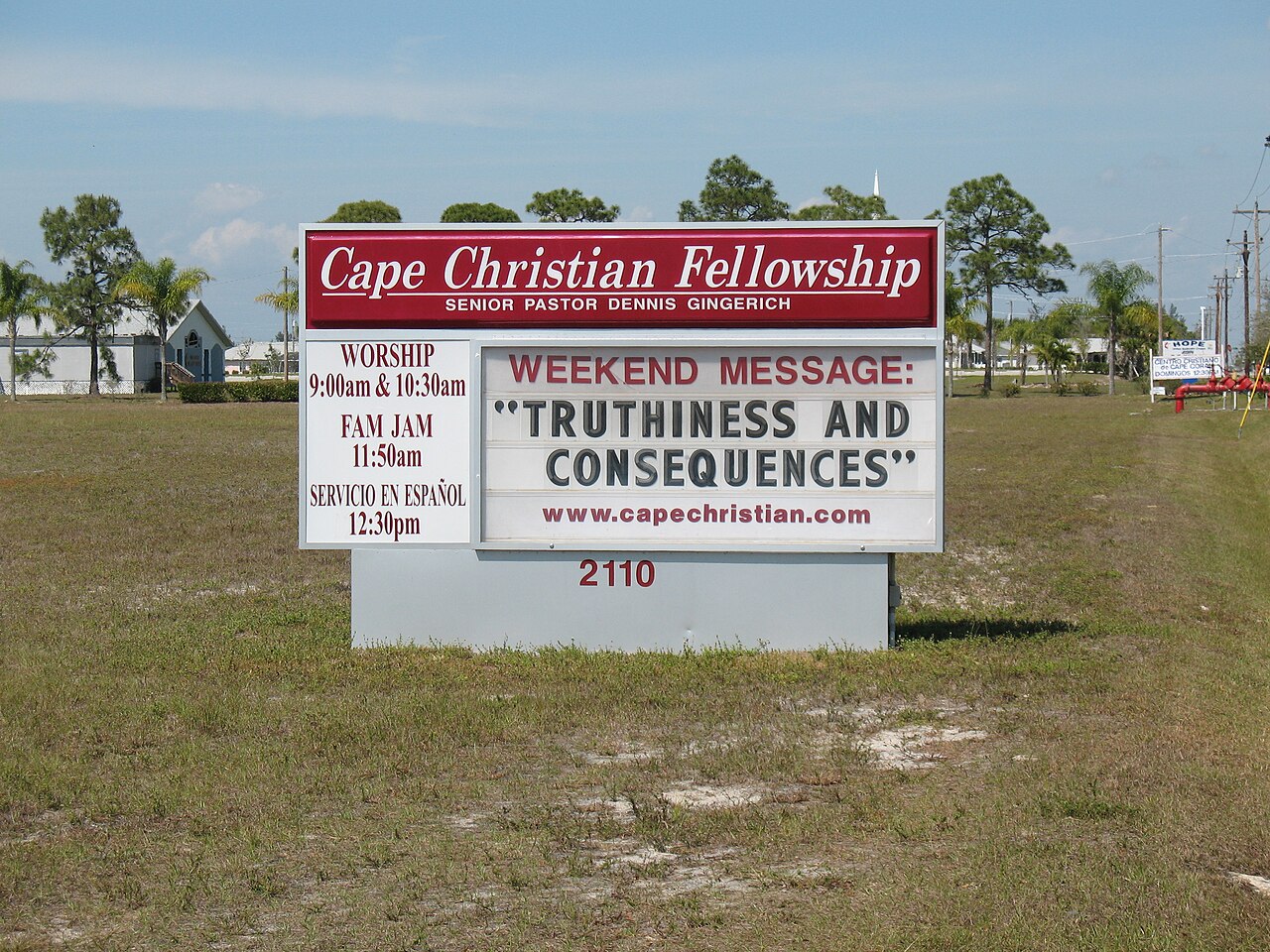

Origins and coinage
The word is widely attributed to the comedian and television host Stephen Colbert, who used it during the first broadcast of The Colbert Report on October 17, 2005. Colbert presented the term as a humorous critique of public figures who prioritize gut feeling over evidence. Over time the neologism moved from satire into mainstream commentary about the quality of public argument and information.
Meaning and linguistic features
At its core, truthiness contrasts with truth established by verification and logic. Linguistically, it is formed by combining the adjective "truthy"—suggesting something that seems true—with the nominalizing suffix "-ness." The word highlights a semantic distinction between epistemic justification based on reason and justification based on perceived plausibility or emotional resonance. People may credit truthiness to an idea when it aligns with their existing beliefs or identity even in the face of countervailing facts.
Cultural impact and recognition
Because it succinctly named a recognizable social phenomenon, truthiness was picked up by journalists, commentators, and scholars as a shorthand for the growing tendency to accept assertions on non‑empirical grounds. It received formal recognition: the American Dialect Society selected it as the Word of the Year for 2005, and Merriam‑Webster named it their Word of the Year for 2006. Those awards signaled how quickly a satirical coinage can enter broader linguistic and cultural conversation.
Uses, examples, and contexts
- Political rhetoric that appeals to fear or tribal loyalty rather than documented policy effects.
- Advertising that relies on emotional imagery to create a sense of authenticity without factual claims.
- Social media posts that spread because they match the audience’s sentiments, not because they are accurate.
Critics use the term to call attention to misinformation and to argue for greater emphasis on verification, critical thinking, and media literacy. Scholars link truthiness to broader discussions about the post‑truth era, where feeling and belief often trump empirical evidence.
Distinctions and notable points
Truthiness is not simply synonymic with lying or falsehood; a truthy statement might be genuinely believed by its speaker even when unsupported. The concept helps distinguish between belief, persuasion, and truth. Understanding truthiness encourages clearer public debate by emphasizing why evidence and methods of verification matter when claims affect policy, public health, or civic life. For further commentary and historical notes see sources on the term’s etymology and contemporary usage in media studies and linguistics (satirical contexts, emotional appeal, facts versus feeling, and logic and reasoning).
Readers interested in primary examples and discussions can consult coverage of the coinage and subsequent reception in both popular and academic outlets (original usage, awards timeline). The term remains useful as a critical tool for diagnosing when judgments are being shaped more by instinct than by evidence.
Related articles
Author
AlegsaOnline.com Truthiness Leandro Alegsa
URL: https://en.alegsaonline.com/art/101840
Sources
- americandialect.org : "Truthiness Voted 2005 Word of the Year by American Dialect Society"
- merriam-webster.com : "Merriam-Webster's Words of the Year 2006"
- comedycentral.com : "The Colbert Report: Videos: The Word (Truthiness)"