
Utopia: concept, history, and cultural significance
An overview of utopia as an imagined ideal society: origins, meanings, types, literary and real-world attempts, critiques and its place in modern thought.
Overview
The word "utopia" names an imagined community or society organized according to an ideal set of laws, institutions and values. It is a tool for thinking about what a better social order might look like and for critiquing present arrangements. The term entered European languages with Sir Thomas More's book Utopia, which describes a fictional island with its own customs and institutions.
Image gallery
10 Images







Origins and meaning
Utopia has a deliberate linguistic ambiguity: from Greek it can be read as ou-topos, "no place," and contrasted with eutopia, "good place." Thomas More's island is presented as a fictional island set in the Atlantic Ocean, a narrative device that allows an outside view of familiar practices. Writers and thinkers have used the form across literature to propose alternative arrangements or to question the feasibility of perfection.
Common features and varieties
- Political utopias: imagine ideal constitutions, justice systems and civic virtues.
- Economic utopias: propose equitable resource distribution, cooperative production or post-scarcity economies.
- Religious and moral utopias: center spiritual harmony or ethical perfection as a social aim.
- Ecological utopias: emphasize sustainable relations with nature and long-term stewardship.
Utopian writing often stands beside its opposite, the dystopia, which depicts societies where attempts at perfection have produced oppression or decay.
Historical attempts and critique
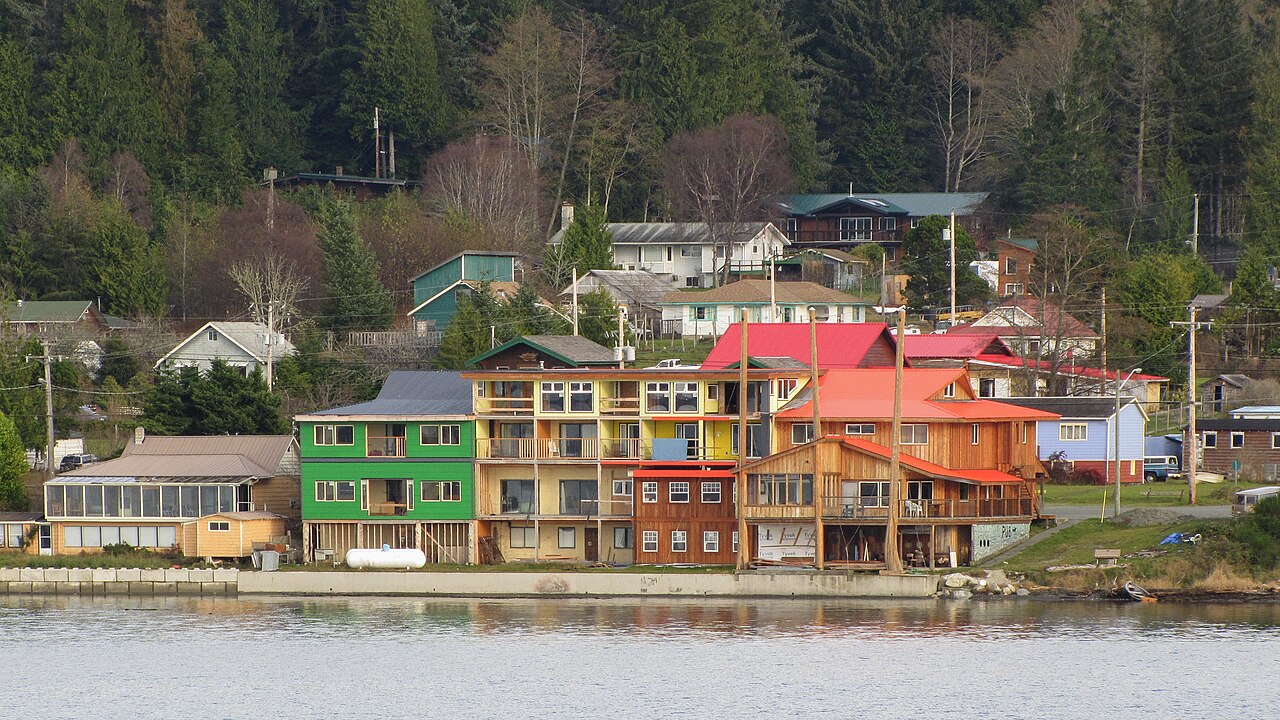
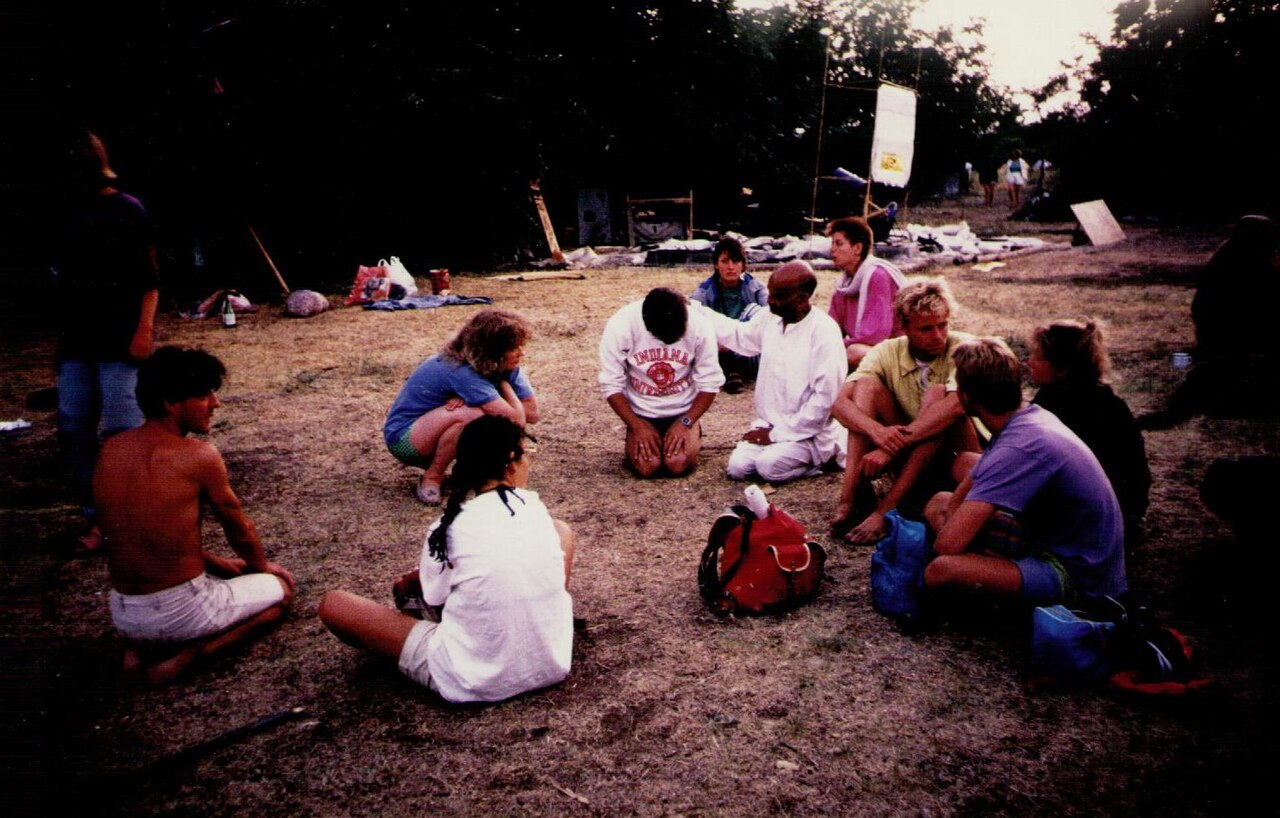
Beyond fiction, some groups have tried to realize utopian ideas in colonies, communes or planned communities. Practical efforts have frequently struggled with economics, governance and human diversity. Critics argue that blueprints for perfect societies can ignore conflict, create rigid conformity, or be co-opted into coercive programs. Many literary utopias function as satire, using an imagined ideal to expose problems in real societies.
Cultural influence and related concepts
Utopian thinking has influenced politics, religion, urban planning, science fiction and environmental movements. It supplies ideals that guide reform and technologies aimed at improving lives, even when full realization is never achieved. Related notions include traditional ideas of paradise and literary places like Shangri‑La or Xanadu, which serve similar symbolic purposes: a focus for hope, critique and imaginative exploration.
As a concept, utopia remains a flexible instrument—sometimes inspirational, sometimes cautionary—used to explore values, trade-offs and the limits of social design.
Questions and answers
Q: What is utopia?
A: Utopia is an imaginary community or society with a perfect system of laws and politics.
Q: Who invented the word utopia?
A: Sir Thomas More invented the word for his book Utopia in 1516.
Q: What was the book Utopia about?
A: The book Utopia was about a fictional island in the Atlantic Ocean.
Q: How has the word utopia been used?
A: The word utopia has been used to describe both a perfect society and societies in literature.
Q: What is a related idea to utopia?
A: A related idea to utopia is dystopia.
Q: What are some areas in which utopias have been based?
A: Utopias have been based on politics, economics, religion, and ecology.
Q: Why have attempts to create utopias seemed to fail in practice?
A: Attempts to create utopias seem doomed because good intentions run against problems. Most of the literary utopias are actually satires of existing societies.
Related articles
Author
AlegsaOnline.com Utopia: concept, history, and cultural significance Leandro Alegsa
URL: https://en.alegsaonline.com/art/103743
Sources
- gutenberg.org : "Utopia"