
Unconscious mind
Overview of the unconscious mind: its characteristics, history, role in mental life, clinical and scientific perspectives, and how it differs from conscious processes.
The unconscious mind refers to mental processes that occur without conscious awareness. These processes can produce feelings, memories, impulses, habits and judgments that emerge into consciousness without a clear, deliberate intention. People notice the effects—unexpected emotions, sudden ideas or automatic reactions—yet cannot always trace them back to an intentional thought. The phrase has been used in philosophy, literature and psychology to describe a hidden layer of mental activity that influences behavior and experience.
Image gallery
2 Images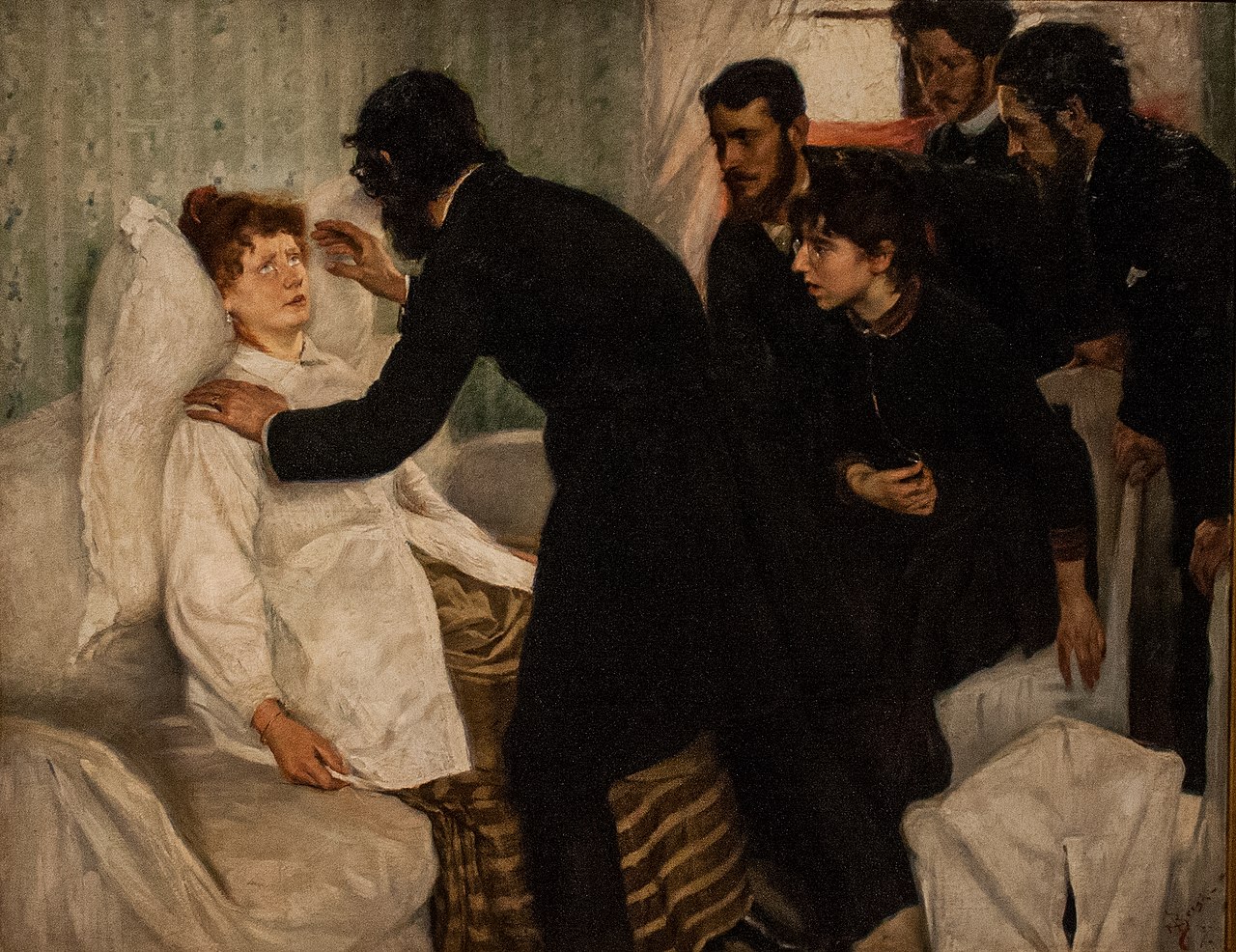
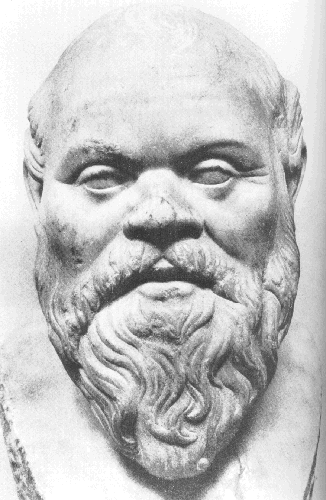
Characteristics and common manifestations
- Automatic processing: Routine skills, rapid pattern recognition and reflexive reactions often run unconsciously and free up conscious attention for novel tasks.
- Implicit memory and learning: Past experiences shape preferences and performance even when explicit recall is unavailable.
- Emotion and motivation: Emotions can be triggered by cues outside awareness, producing moods or urges that seem to arise from nowhere. Examples include gut feelings and sudden cravings. Emotional influences are often described this way.
- Creative incubation: Solutions to problems sometimes appear after a period of not consciously thinking about them, as unconscious processing continues in the background.
Origins and development of the idea
Thoughts about hidden mental activity predate modern psychology. In Western thought the term "unconscious" was shaped by philosophers and writers; for instance, the German philosopher who popularized a related concept in the late 18th century influenced later English writers such as the poet and critic who helped introduce the word into English discourse. Philosophical sources and poetic uses contributed to the concept's spread. In the late 19th and early 20th centuries, clinical and theoretical work—most famously in psychoanalytic traditions—made the unconscious a central topic, treating it as a repository of repressed wishes, conflicts and memories. Subsequent thinkers revised, expanded or rejected those specific claims while preserving the broader idea of nonconscious mental processes.
Scientific perspectives and uses
Contemporary cognitive science and neuroscience study unconscious processes under labels such as implicit cognition, automaticity and nonconscious perception. Experiments on priming, skill learning and decision-making show measurable influences of information that participants cannot report. In clinical practice, therapists may explore patterns that seem to originate outside a person's awareness to help with habits, phobias or maladaptive reactions. Terms like "unconscious" and "subconscious" are used differently by authors, but many researchers favor precise constructs (e.g., implicit memory, procedural memory) over a single, unitary unconscious entity.
Distinctions, examples and notable points
- Not a single place: The unconscious is better seen as a label for many processes rather than a single hidden compartment.
- Examples: Freudian slips, sudden insights, automatic stereotyping, and learned motor routines illustrate different aspects of nonconscious influence.
- Cross-species questions: Researchers also ask whether other animals show comparable nonconscious mechanisms in perception and decision-making; animal studies contribute to that debate. Comparative work explores these parallels.
- Terminology: Writers sometimes contrast the unconscious with conscious thought or the "subconscious," and historical sources such as literary introductions and philosophical discussions shaped those usages.
For readers seeking more detail, introductory texts in psychology and neuroscience review experimental findings and theoretical debates about implicit processes, while historical accounts trace how the term entered philosophical and literary discourse. Cognitive research examines nonconscious emotional and cognitive effects, and interdisciplinary work connects clinical, philosophical and empirical views. Philosophical treatments and emotional studies remain useful starting points for understanding how unconscious processes shape human life.
Questions and answers
Q: What is the unconscious mind?
A: The unconscious mind is a deeper part of a person's mind that works without that person knowing it.
Q: What kind of feelings or thoughts come from the unconscious mind?
A: Feelings, thoughts, desires or emotions appear to come out of nowhere.
Q: Who coined the term unconscious mind?
A: The term unconscious mind was coined by the 18th century German romantic philosopher Friedrich Schelling.
Q: Who introduced the term unconscious mind into English?
A: The poet and essayist Samuel Taylor Coleridge introduced the term unconscious mind into English.
Q: Is the idea of unconscious mind a new concept?
A: No, the idea of the unconscious mind is an ancient one which has been noticed in many civilisations and cultures.
Q: Does the concept of unconscious mind apply to other mammals?
A: Whether other mammals have similar mental mechanisms to man is also a question with a considerable history.
Q: What do people feel about the emotions coming from their unconscious mind?
A: People question where the emotions coming from their unconscious mind came from.
Related articles
Author
AlegsaOnline.com Unconscious mind Leandro Alegsa
URL: https://en.alegsaonline.com/art/102787