
Triceps brachii muscle
The triceps brachii is the three-headed muscle on the back of the upper arm responsible primarily for elbow extension; its structure, innervation, actions, and clinical relevance are summarized here.
The triceps brachii is the major muscle on the posterior side of the upper arm. It forms the bulk of the back of the arm and is the principal extender of the elbow joint. The muscle is often discussed in anatomy, rehabilitation and strength training because of its clear role in straightening the forearm and assisting certain shoulder movements.
Image gallery
10 Images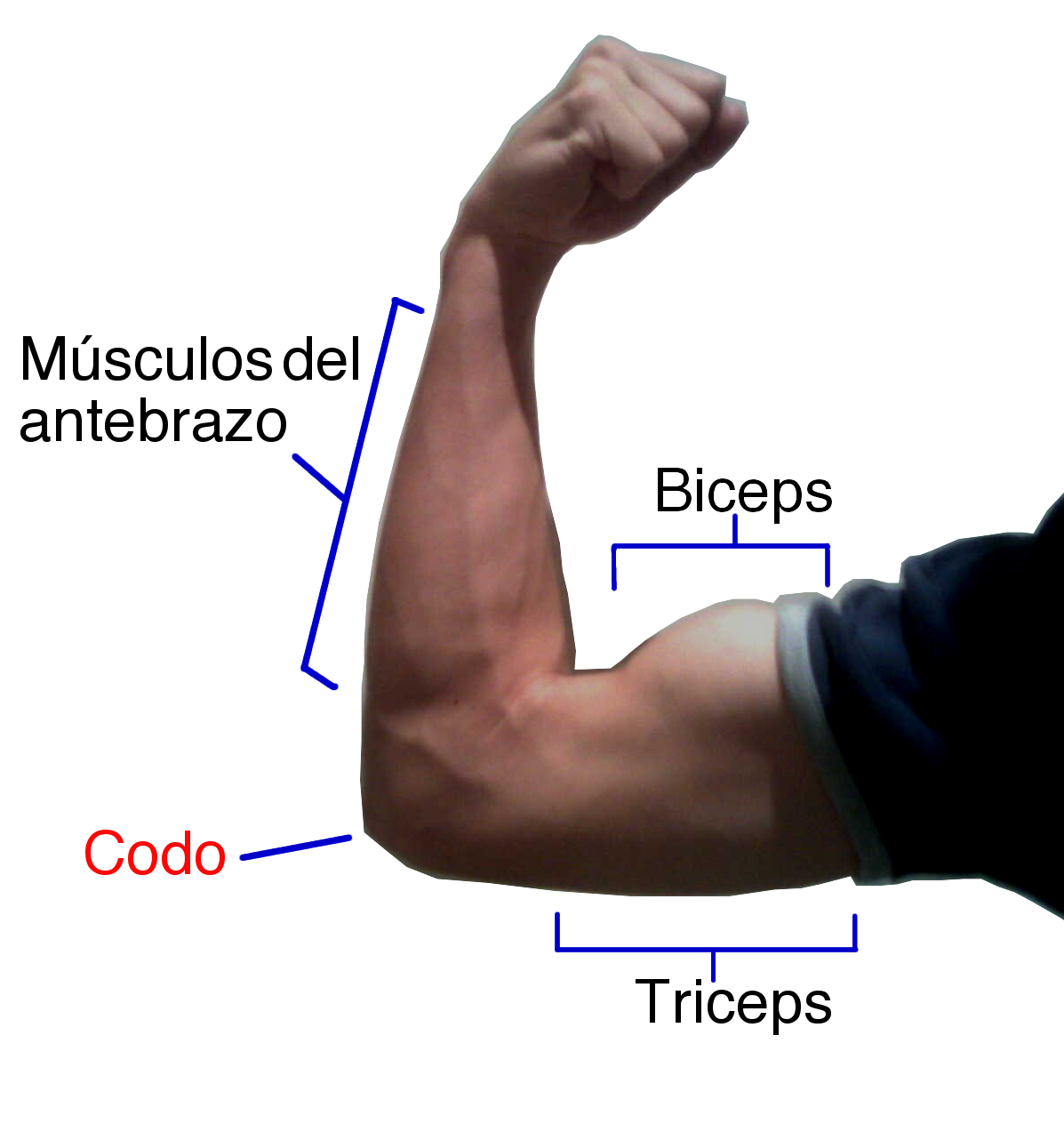





Anatomy and parts
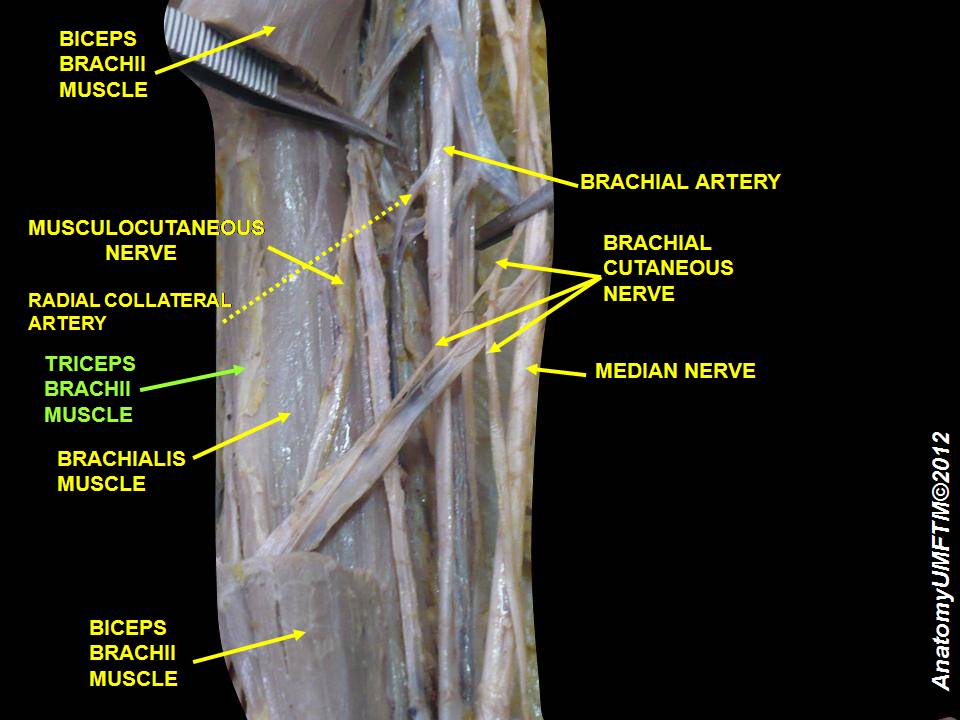
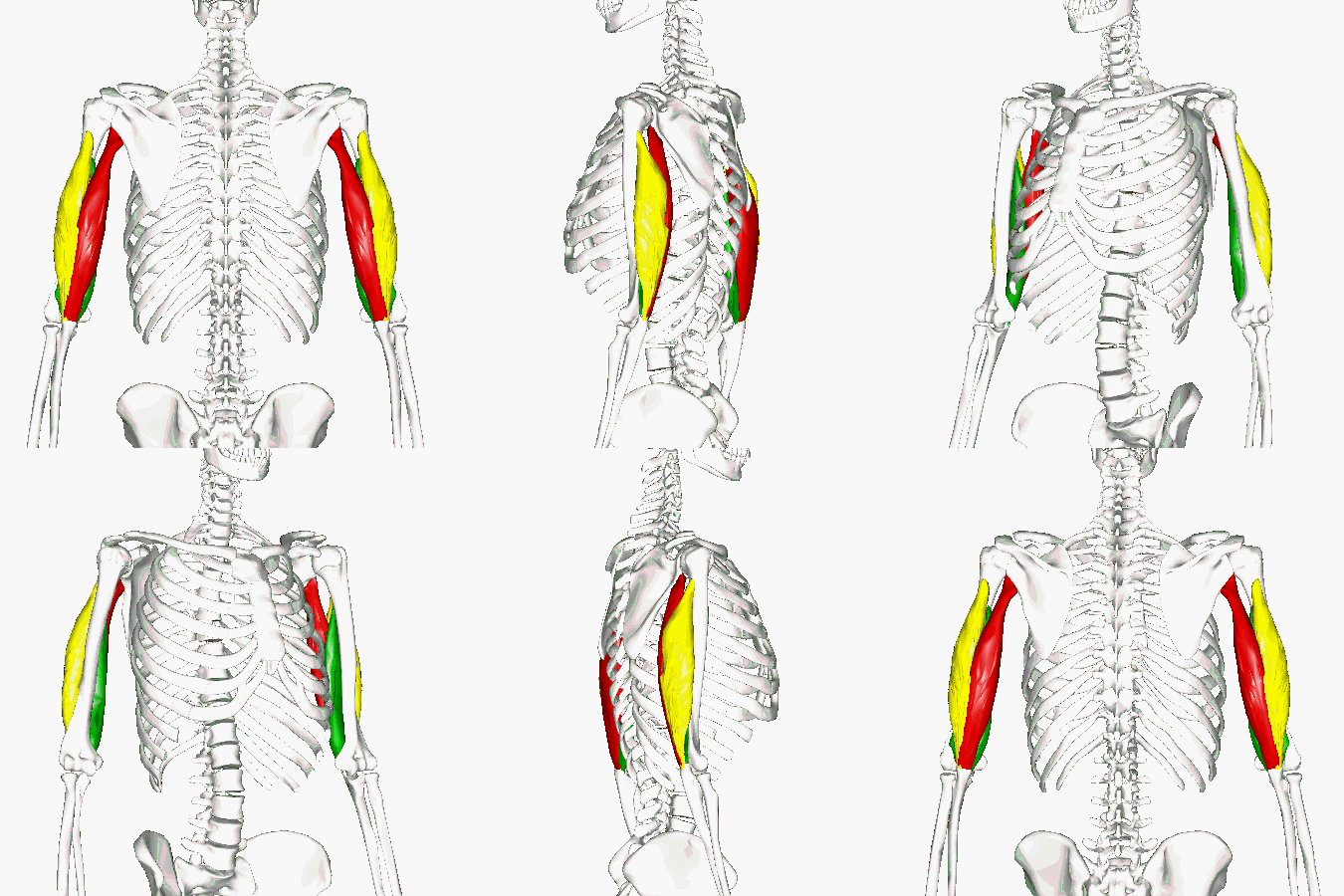
The triceps has three distinct heads that arise from separate locations and converge into a common tendon at the elbow. These heads are commonly named long, lateral and medial:
- Long head – originates from the scapula and crosses both the shoulder and elbow joints, so it can influence shoulder position as well as elbow extension.
- Lateral head – arises from the posterior surface of the humerus and contributes to forceful extension.
- Medial head – lies deeper and is important for sustained or low-force extension.
All three heads unite into a single tendon that inserts on the olecranon process of the ulna. The muscle occupies the posterior compartment of the arm.
Innervation and blood supply
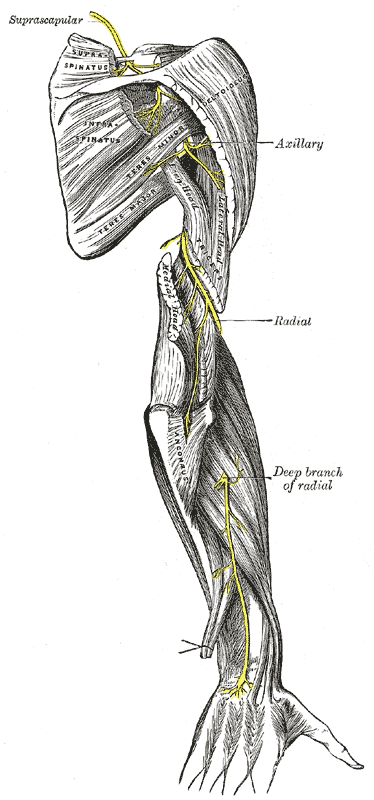
The triceps is innervated by the radial nerve, which carries motor fibers that enable extension. Its blood supply is primarily from branches of the deep brachial (profunda brachii) artery and adjacent vessels that support the muscle during activity and repair.
Function and biomechanics
Its principal action is extension of the elbow, straightening the arm. Because the long head crosses the shoulder joint, it also assists in shoulder extension and adduction in some positions. In everyday activities and many sports, the triceps stabilizes the elbow and transmits force during pushing movements.
Clinical relevance and training
Injuries include tendonitis, partial tears and, rarely, complete rupture of the distal tendon. Compression or injury to the radial nerve can weaken extension. Rehabilitation typically combines range-of-motion work, progressive loading and, when appropriate, surgical repair. Strength training exercises that emphasize elbow extension—such as pushdowns, dips and overhead extensions—target the triceps, with variations recruiting the different heads to varying degrees.
Name and notable facts
The name triceps brachii derives from Latin and literally means "three-headed muscle of the arm," reflecting its three-origin architecture. Its clear anatomy and accessible surface location make it a common subject in anatomical study, clinical assessment and exercise programming.
Related articles
Author
AlegsaOnline.com Triceps brachii muscle Leandro Alegsa
URL: https://en.alegsaonline.com/art/101470
Sources
- doi.org : 10.1002/cne.22123
- pubmed.ncbi.nlm.nih.gov : 19598170
- doi.org : 10.1177/0363546506288752
- pubmed.ncbi.nlm.nih.gov : 16735585
- ncbi.nlm.nih.gov : "A Cadaveric Study of Ulnar Nerve Innervation of the Medial Head of Triceps Brachii"
- doi.org : 10.1007/s11999-008-0535-6
- pubmed.ncbi.nlm.nih.gov : 18850256
- doi.org : 10.1007/s00276-004-0253-z
- pubmed.ncbi.nlm.nih.gov : 15365769
- ncbi.nlm.nih.gov : "Muscle architecture of biceps brachii, triceps brachii and supraspinatus in the horse"
- doi.org : 10.1111/j.1469-7580.2006.00669.x
- pubmed.ncbi.nlm.nih.gov : 17229281