
Trophallaxis: social transfer of food and information
Trophallaxis is the direct transfer of food or fluids between individuals, especially in social insects. It distributes nutrients, symbionts and chemical signals and helps coordinate colony life.
Overview
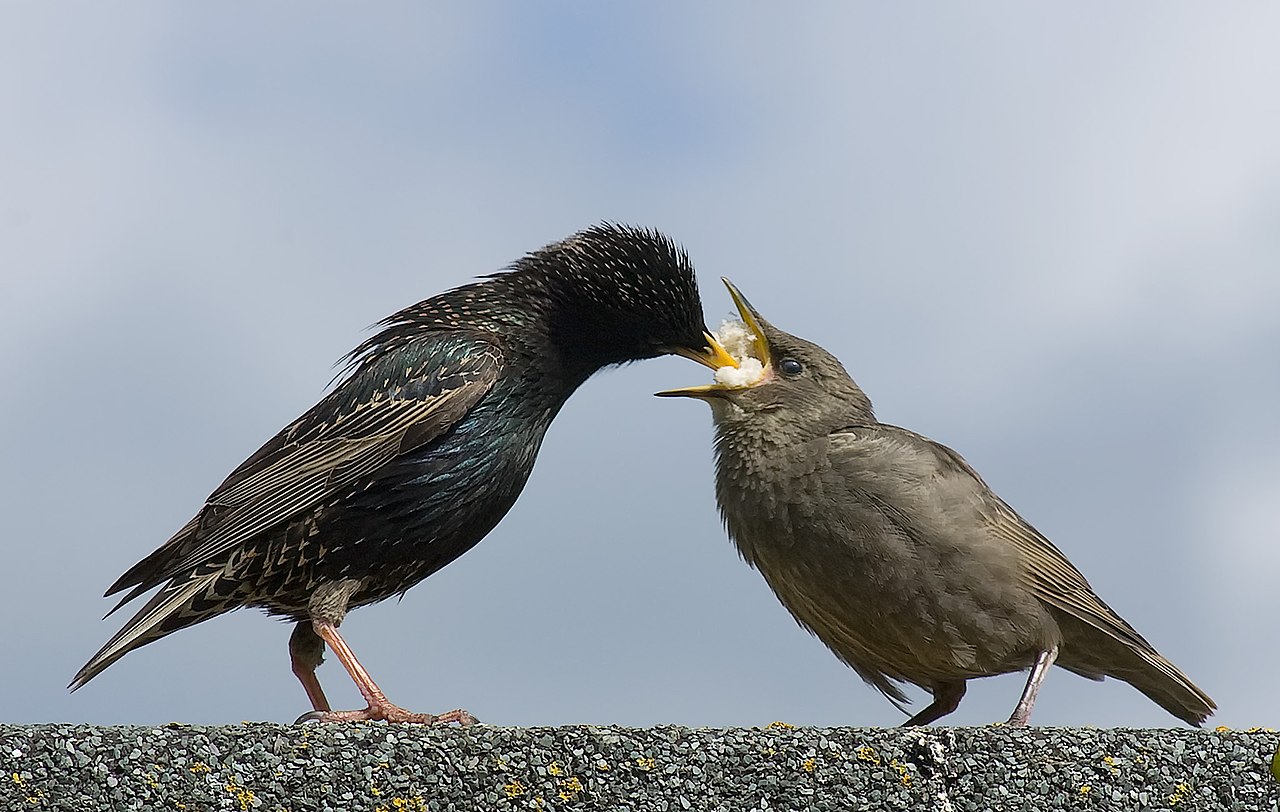
Trophallaxis denotes the direct sharing of alimentary fluids among members of a group. The term is most commonly applied to social insects, where workers exchange regurgitated liquid or hindgut fluids to feed nestmates and larvae, but it can also describe regurgitative feeding observed in other animals. Beyond simple nutrition, trophallaxis serves social and physiological roles by moving microbes, hormones and chemical cues through a colony. See a general definition at trophallaxis (definition) and a brief note on feeding exchange at food sharing.
Image gallery
4 Images


Mechanisms and types
Two principal modes are recognised. Stomodeal trophallaxis is mouth-to-mouth transfer of crop or foregut contents and is common in ants, bees and many wasps. Proctodeal trophallaxis transfers hindgut fluids and faecal material, and plays a key role in transmitting gut symbionts in termites and some cockroaches. Practical distinctions and examples appear in species accounts such as ants, termite studies, and surveys of wasps and bees.
Functions and biological importance
Trophallaxis accomplishes several overlapping functions. It equalises nutrition among colony members, ensures larvae receive processed food, and distributes symbiotic microbes needed for digestion — notably cellulose-degrading bacteria and protists in wood-feeding insects. The practice also spreads cuticular or colony odours that help maintain a shared chemical identity; researchers document this role in ant colony odour studies. In many taxa, the behaviour communicates information about food sources and quality, linking foragers with brood carers and influencing task allocation (communication).
History and scientific context
The entomologist William Morton Wheeler introduced the term in the early twentieth century to describe food exchange in social insects; his work is discussed in historical reviews, along with earlier observers such as August Forel who emphasised the social significance of trophallaxis (Wheeler, Forel). Over subsequent decades, ethologists used trophallaxis to explore hypotheses about the evolution of cooperation, division of labour and social cohesion.
Examples, benefits and risks
- Ants commonly use stomodeal trophallaxis to share nectar and protein-rich regurgitate among foragers and nestmates (ant behaviour).
- Termites rely on proctodeal transfer to inoculate young with gut microbes needed to digest wood (termite symbiosis).
- Outside insects, regurgitative feeding appears in species such as vampire bats and some birds, which can be described with the same general term (broader occurrences).
These exchanges promote colony health and social bonds but can also transmit pathogens, so trophallaxis is a double-edged pathway for both beneficial microbes and disease agents.
Distinctions, research and notable facts
Trophallaxis differs from related behaviours: allogrooming is cleaning rather than feeding, and coprophagy involves ingestion of faeces rather than directed fluid transfer, though proctodeal trophallaxis may superficially resemble coprophagy when hindgut material is shared. Modern studies use trophallactic networks to map social connections and model information flow in colonies; applied topics include pest management and understanding social immunity. For accessible summaries and reviews see community-level studies, specialist resources on wasps and bees, and broader overviews at general entries.
Further reading and resources: communication role, colony odour, feeding behaviour, and historical context at Wheeler and Forel. Additional species-level information is available via links on social insects and case studies of ant and termite systems.
Questions and answers
Q: What is trophallaxis?
A: Trophallaxis is the sharing of food by members of a community.
Q: Which types of animals is trophallaxis most highly developed in?
A: Trophallaxis is most highly developed in social insects such as ants, termites, wasps, and bees.
Q: Who introduced the word "trophallaxis"?
A: The entomologist William Morton Wheeler introduced the word "trophallaxis" in 1918.
Q: What did August Forel believe was key to ant society?
A: August Forel, a French psychologist and entomologist, believed that food sharing was key to ant society.
Q: Why is trophallaxis important in bees and ants?
A: Trophallaxis serves as a means of communication in bees and ants.
Q: What role does trophallaxis play in some species of ants?
A: In some species of ants, trophallaxis may play a role in spreading the colony odour that identifies members.
Q: What did August Forel use an illustration of trophallaxis for?
A: August Forel used an illustration of trophallaxis as the frontispiece for his book "The Social World of the Ants Compared With That of Man".
Related articles
Author
AlegsaOnline.com Trophallaxis: social transfer of food and information Leandro Alegsa
URL: https://en.alegsaonline.com/art/101649
Sources
- doi.org : 10.1002/jhbs.10033
- cat.inist.fr : abstract