
Barter: Direct exchange of goods and services without money
Barter is the direct trade of goods or services between parties without a money medium. This article explains how barter works, its history, types, uses, advantages, and limitations.
Barter is the direct exchange of goods or services between two or more parties without using money as an intermediate medium. In a simple barter each side offers something the other values and they agree on an exchange. Economists and historians often describe barter by reference to the "double coincidence of wants," the requirement that both parties simultaneously want what the other offers. For a concise definition see definition and overview.
Image gallery
5 Images


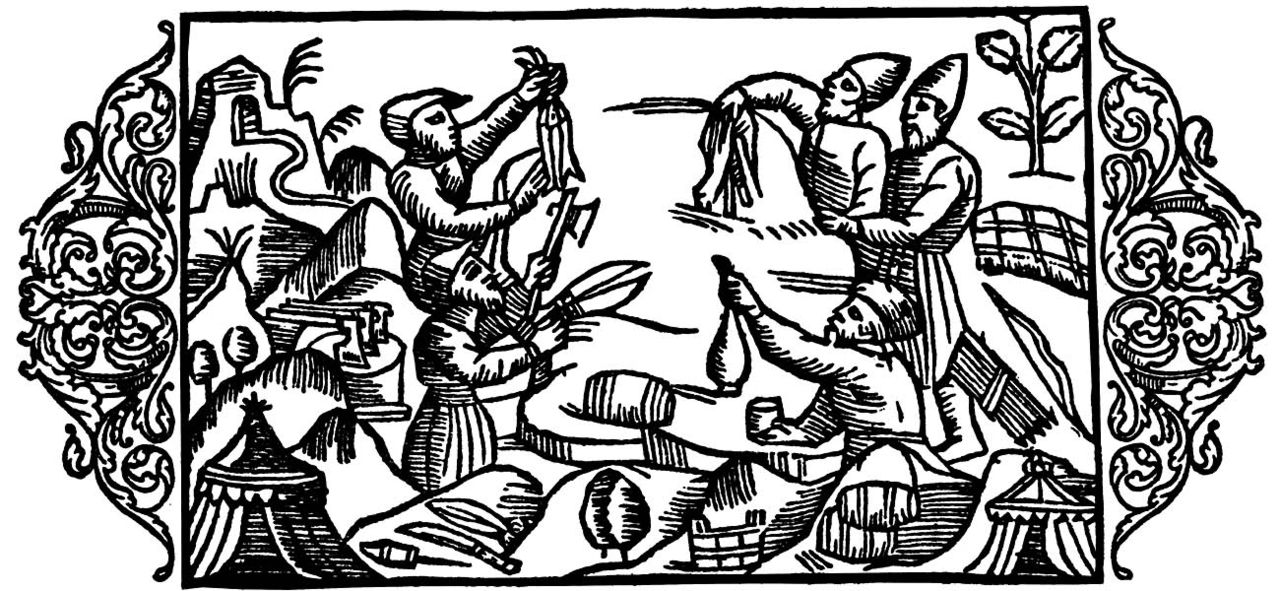
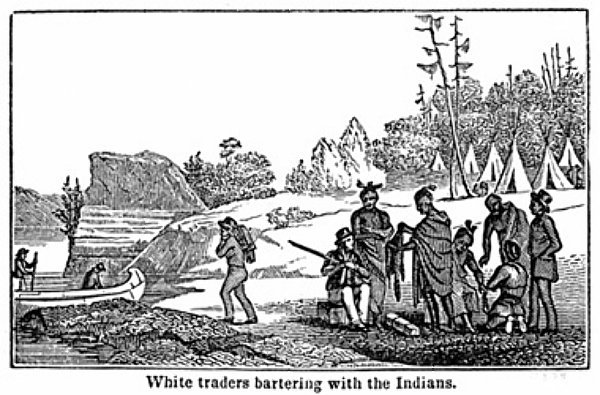
Key characteristics
Barter transactions can take many forms, but they share several common features:
- Direct exchange: Goods or services pass directly from one party to another without a standard money unit.
- Negotiated value: Parties must agree on the relative worth of the items or services being traded.
- Divisibility and transport: Some items are hard to split or move, which complicates trades when units differ in size or perishability.
- Immediate settlement: Most barter is settled at the time of exchange, although credit arrangements can occur informally.
Modern discussions of barter sometimes focus on organized networks and exchanges that provide matching and record-keeping services; further details and examples are available at practical examples.
History and development
Barter is widely regarded as one of the earliest economic behaviors used where formal money systems were absent. Anthropologists and economic historians note that many societies combined gifting, barter, and other reciprocal arrangements rather than relying on pure market-like swaps. With the invention and spread of coinage and later paper money, barter became less central in most large-scale economies. Nevertheless, it never disappeared entirely; periodic shortages of currency, local community arrangements, and business practices have kept barter relevant. For historical context and scholarly discussion, see further historical reading.
Uses and contemporary examples
Barter appears in many settings today. Informal household exchanges—such as swapping childcare for gardening work—are common. Small businesses may trade services to conserve cash, and large companies sometimes engage in corporate barter or countertrade to move excess inventory. Organized barter exchanges and local trading systems, including time banks, provide infrastructure that records credits and helps match needs. Practical everyday examples frequently cited include a tradesperson repairing equipment in return for goods from the owner’s business; one classic illustration is a plumber fixing a tap for a winery in exchange for wine, discussed in more practical guides at modern barter examples.
Advantages and limitations
Barter can provide advantages when currency is scarce, when parties wish to conserve cash, or when mutually useful goods are readily available. It can also help businesses convert idle capacity into value. However, significant limitations include the double coincidence of wants, difficulties in pricing diverse goods, and transaction costs related to finding partners and negotiating exchanges. To address some of these problems, contemporary barter networks use internal credits, standardized exchange rates, or intermediaries to facilitate multi-party trades. For comparison with other non-monetary exchange forms, see related topics.
Practical and legal considerations are also important: many tax systems treat barter transactions as taxable income at market value, and contracts or records are advisable when exchanges are substantial. Distinctions are often drawn between barter, gift economies, and formal monetary trade: each serves different social and economic functions and may coexist within the same community or company.
Tags
Related articles
Author
AlegsaOnline.com Barter: Direct exchange of goods and services without money Leandro Alegsa
URL: https://en.alegsaonline.com/art/9143
Sources
- mw1.merriam-webster.com : "Barter"