
Tournehem-sur-la-Hem — commune in Pas-de-Calais, northern France
Tournehem-sur-la-Hem is a small commune in the Pas-de-Calais department of northern France, known for its riverside location on the Hem, rural character, and local heritage sites.
Overview
Tournehem-sur-la-Hem is a rural commune in the Pas-de-Calais department of northern France. Historically associated with the former Nord-Pas-de-Calais region, it now lies within the administrative region of Hauts-de-France. The name indicates its position beside the Hem river, which has shaped local settlement and agriculture.
Image gallery
3 Images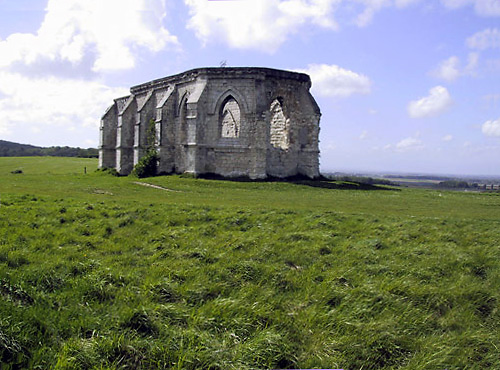


Geography and landscape
The commune occupies low-lying countryside where fields, meadows and small wooded areas meet the hemline of the river Hem. Its setting is typical of the northern French plain: gently rolling terrain, mixed farmland and hedgerows, and small lanes connecting hamlets and villages in the surrounding area.
History and development
Settlement in the area dates back to medieval times and the locality developed around agricultural estates, parish life and local trade. Over centuries the village changed with regional political shifts, rural reform and the modernization of farming. You can find historical notes and administrative records through local resources such as the commune's portals and departmental archives: regional page, archive guide.
Sights, heritage and local life
Tournehem-sur-la-Hem preserves examples of local heritage: a parish church, traditional farm buildings and vestiges of fortified dwellings that reflect the area's past defensive needs. Points of interest are often modest but illustrative of rural northern France. Visitors and researchers can consult cultural listings and tourism notices: tourism information, heritage inventory.
Administration, economy and transport
The commune is administered within the departmental structure of Pas-de-Calais. Its economy remains largely agricultural, supplemented by small businesses and services that support village life. Road links provide access to neighbouring towns and to regional transport hubs; for practical details see local notices and transport pages: local services.
- Typical activities: mixed farming, small-scale commerce, local events.
- Common visitors: walkers, heritage enthusiasts, people researching rural genealogy.
- Research and contacts: municipal office, departmental archives and regional cultural bodies often hold further documentation.
Related articles
Author
AlegsaOnline.com Tournehem-sur-la-Hem — commune in Pas-de-Calais, northern France Leandro Alegsa
URL: https://en.alegsaonline.com/art/100894