
Beer (Devon): village, quarry stone and coastal heritage
Beer is a small coastal village in Devon, England, known for its underground limestone quarries, traditional fishing, lacemaking and its location on the Jurassic Coast with distinctive shingle beaches and cliffs.
Overview
Beer is a small coastal village on the south coast of Devon, in South West England. Set beneath steep cliffs and beside a shingle beach, the settlement combines a long industrial past with a community that serves local needs and welcomes visitors. The compact village contains cottages, boat workshops and small businesses that reflect fishing, quarrying and craft traditions.
Image gallery
6 Images




Geology and the quarry caves
Beer stone is a fine-grained limestone quarried beneath the village in a network of man-made tunnels and caverns commonly known as the Beer Quarry Caves. These workings have been exploited since at least Roman times for a building stone prized by masons: it is relatively soft when freshly cut and hardens on exposure, allowing fine carving. Blocks of this stone have been used in a range of historic English buildings and ecclesiastical architecture, and the caves themselves are now interpreted as an industrial heritage site that illustrates historical quarrying techniques.
History, fishing and smuggling
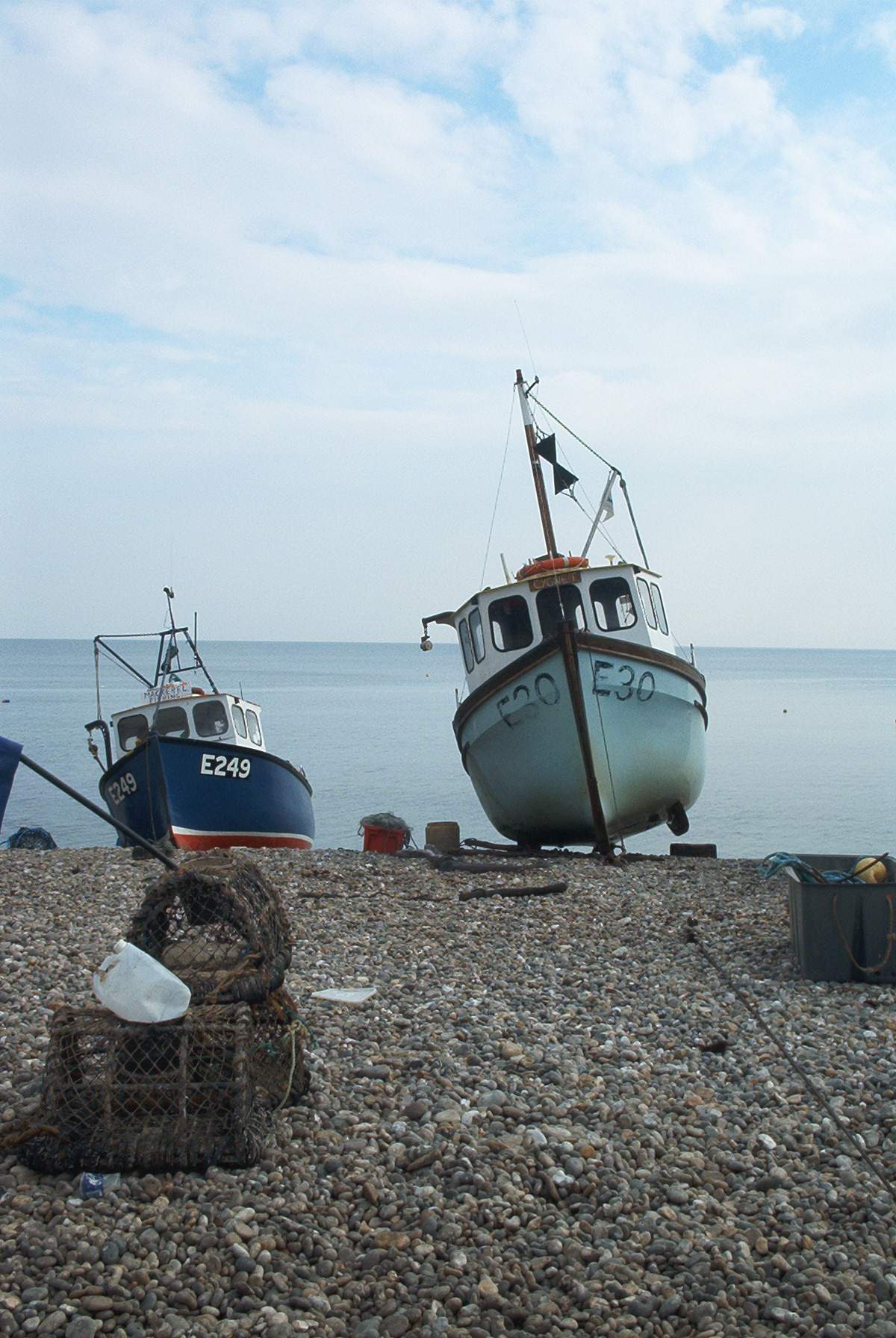
Fishing has long been an important activity at Beer, where small boats were launched from the shingle beach and supported local livelihoods in fish landing, boat building and net making. The village's secluded cove and the remoteness of sections of coastline also led to episodes of smuggling in the 17th–19th centuries, a feature shared with many rural coastal communities of the era. Local skills and knowledge of the shore shaped both legitimate coastal trade and clandestine operations in that period.
Crafts, lacemaking and community life
Alongside maritime and quarrying trades, cottage industries such as lacemaking have been part of the village economy. Lace and other needlecrafts provided supplementary income for families in the 18th and 19th centuries and contributed to regional craft traditions. Community life has long been organised around seasonal rhythms of fishing, farming and market trade, while today residents also work in tourism, conservation and services.
Visitor attractions and conservation
Beer lies close to the geologically important Jurassic Coast, a World Heritage coastline noted for its cliffs and fossil-bearing sediments. Visitors come for cliff-top walks, guided tours of the quarry caves, the distinctive shingle beach and local shops and cafes. Interpretation and conservation are important: the caves are presented as a heritage attraction and local efforts focus on protecting the fragile coastal environment while allowing sustainable visitor access.
Transport and access
The village is accessible by local roads and public transport links into nearby towns; visitors typically arrive by car or regional bus services and explore on foot. The beach is pebbled rather than sandy and steeply shelved, which has influenced how boats are launched and hauled ashore and shaped the village's distinctive harbour activities.
Key features
- Extensive underground limestone quarries known as the Beer Quarry Caves
- Traditional small-scale fishing community and shingle beach beneath high cliffs
- Historic cottage crafts including lacemaking
- Proximity to the Jurassic Coast and associated geological interest
- Heritage-led tourism and local conservation initiatives
For up-to-date visitor information and local services consult village and regional resources: Beer village information, Devon county resources and South West England tourism.
Related articles
Author
AlegsaOnline.com Beer (Devon): village, quarry stone and coastal heritage Leandro Alegsa
URL: https://en.alegsaonline.com/art/10084
Sources
- ee.co.uk : "EE"