
Beer Sheba (Beersheba) — Regional capital of the Negev
Beer Sheba is the largest city of Israel's Negev region, a regional administrative, academic and medical center and an urban hub with ancient origins and modern growth.
Overview
Beer Sheba (also spelled Beersheba) sits on the northern edge of the Negev desert and functions as the principal city of southern Israel. It is a regional administrative and service center for surrounding towns, Bedouin communities and rural settlements. The city combines a modern municipal role with deep historical roots that reach back to the biblical period.
Image gallery
10 Images

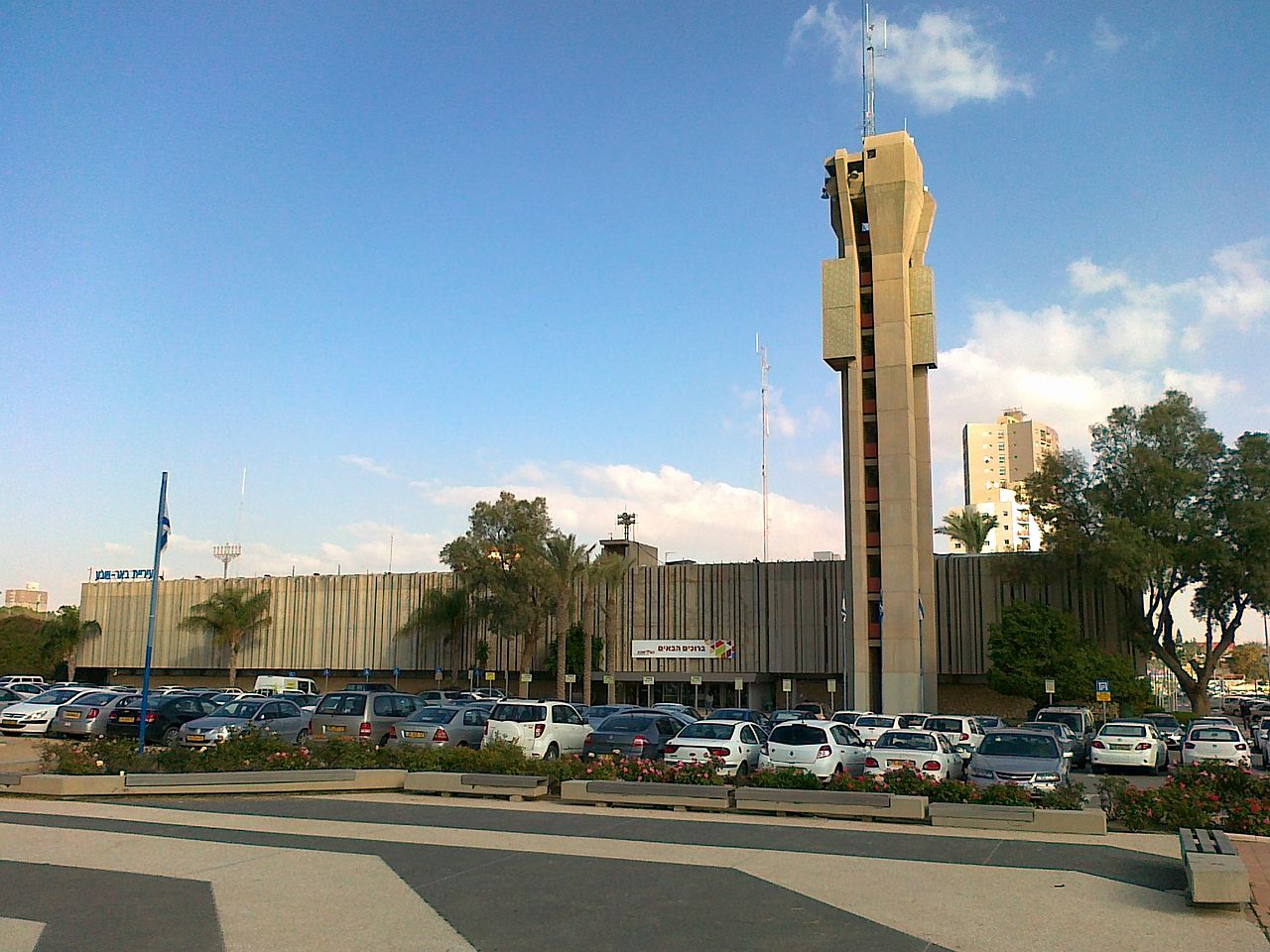
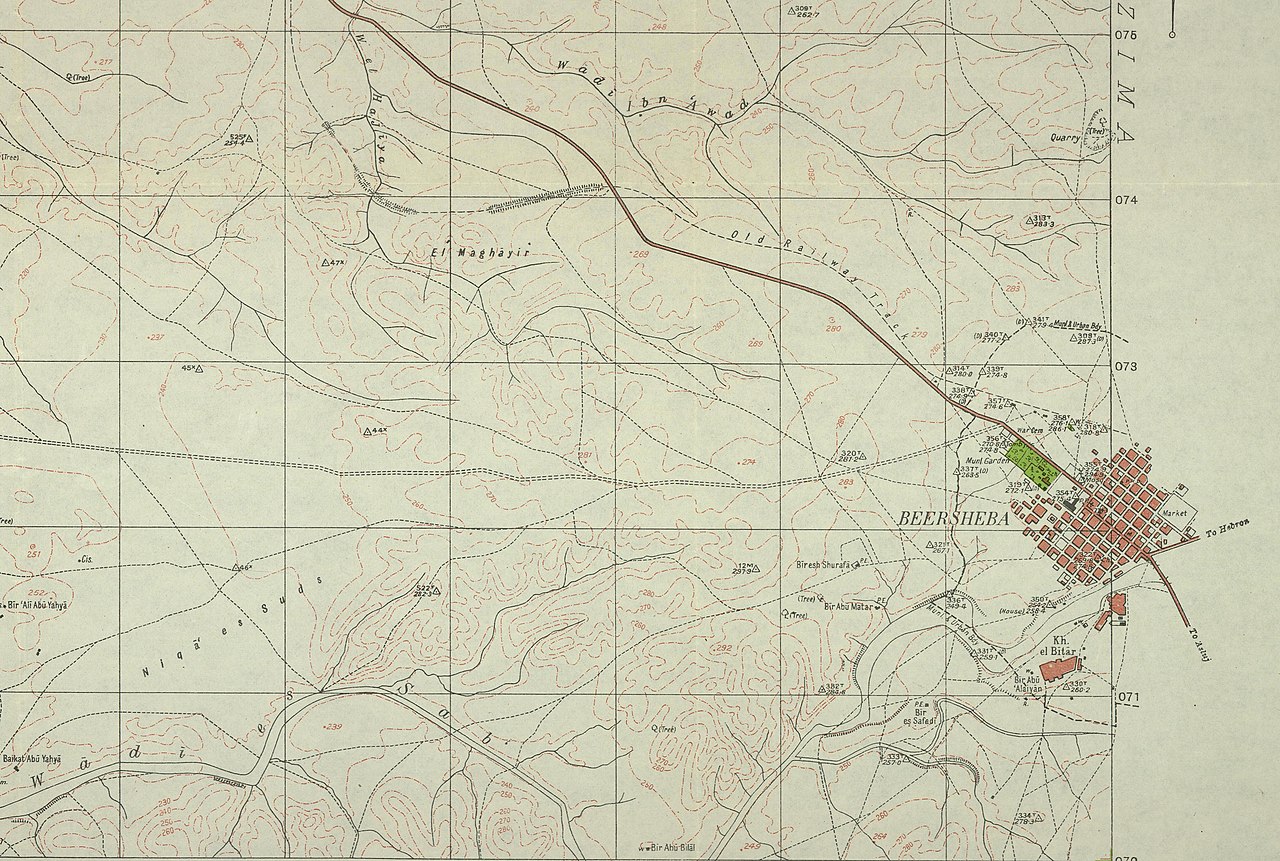


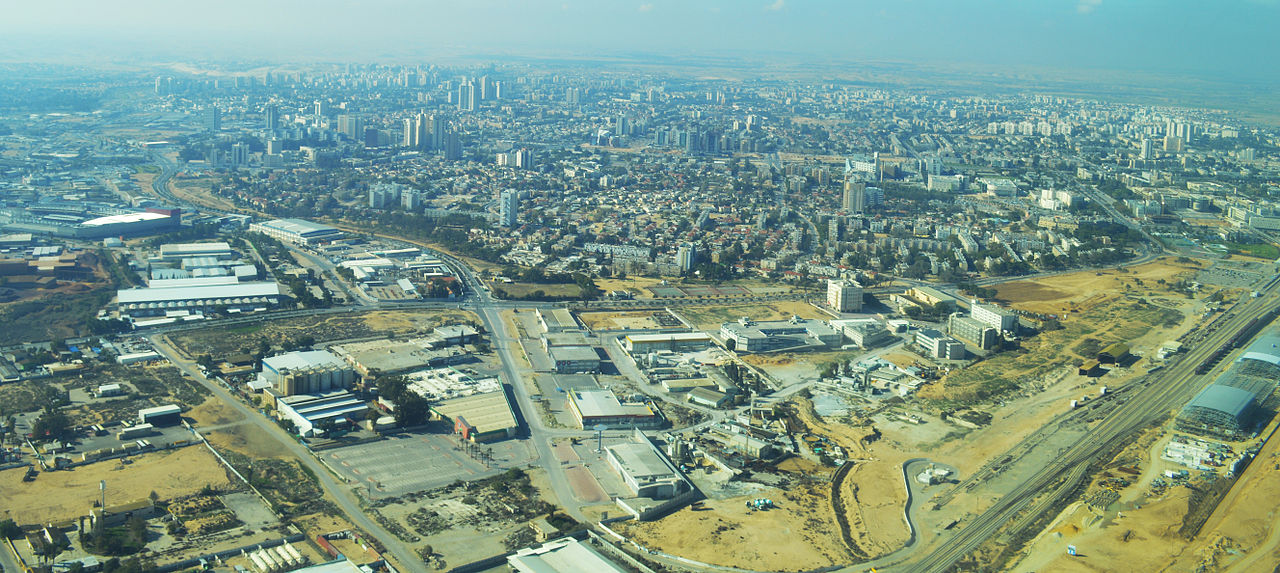
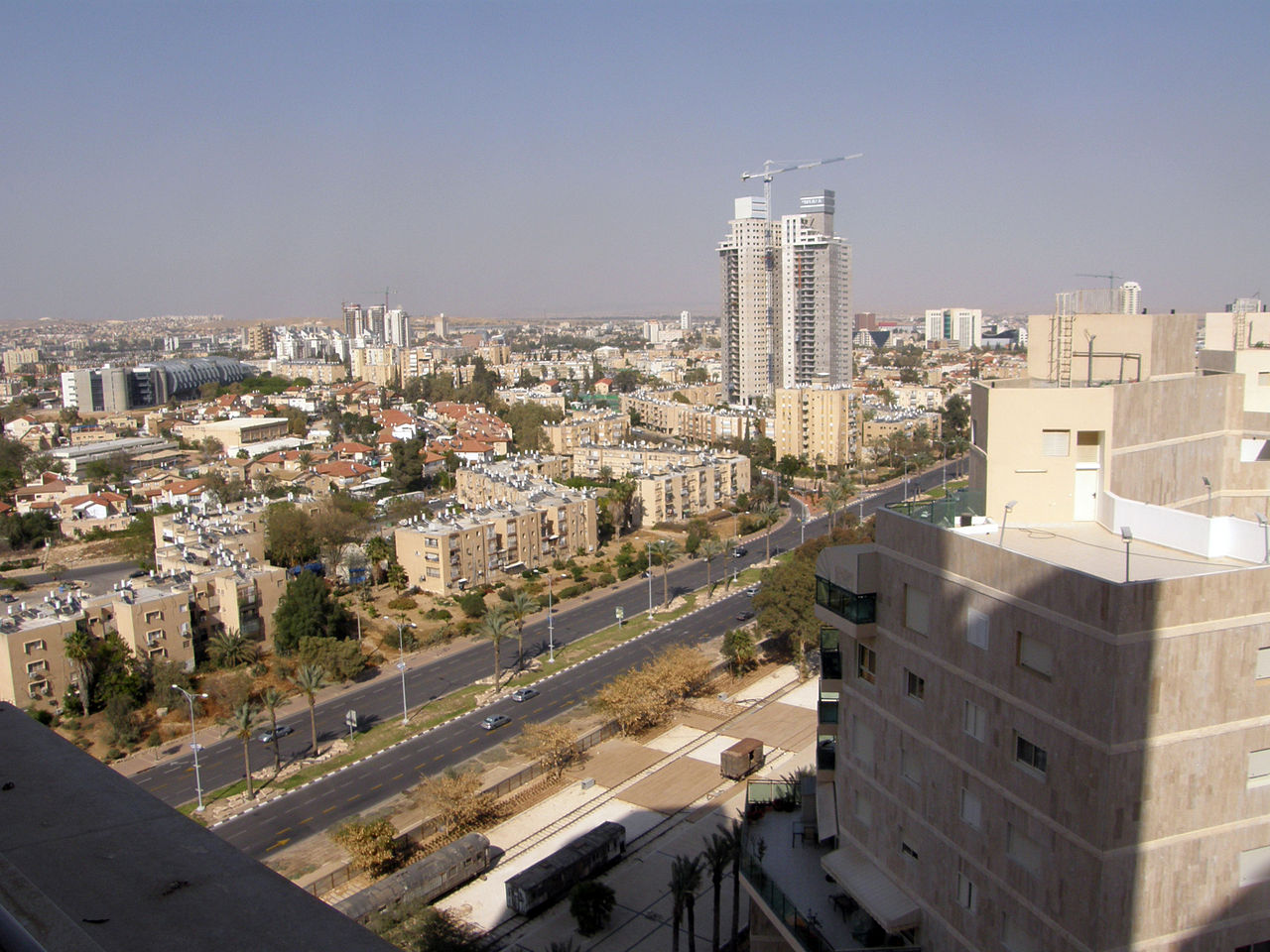
Location and character
Located in the southern part of the state of Israel, Beer Sheba lies where the cultivated northern plains meet the arid Negev to the south. Its position has long made it a crossroads of trade and travel. Today the urban area includes residential neighborhoods, commercial zones, hospitals and university campuses, and serves as a focal point for regional planning and development in the Negev.
History and archaeology
The site has been inhabited intermittently for millennia and appears in biblical texts as Beersheba. Archaeological remains in and around the city show successive occupations from ancient times through the Ottoman era and into the modern period. Ottoman and British Mandate-era features shaped the 19th–20th century town, while 20th-century state planning expanded Beer Sheba into a large municipal center after the establishment of Israel.
Education, health and economy
Beer Sheba is home to Ben-Gurion University of the Negev (BGU), a major research and teaching institution that has driven local growth, innovation and partnerships. The city also hosts a large medical center that serves the wider region. Economic activity includes public administration, higher education, health services, some industry and an expanding technology and research sector tied to the university.
Culture, landmarks and attractions
The city offers museums, cultural centers, markets and parks that reflect both its modern Israeli civic life and its regional Bedouin heritage. Notable sites include archaeological tells, preserved Ottoman-era buildings and municipal attractions that interpret the area's long history. Visitors can explore local markets and cultural programs that showcase arts, music and cuisine of the south.
Role and distinctions
As the largest urban center in the Negev, Beer Sheba is often described as the region's capital and functions as a transport and service hub for southern Israel. Its combination of historical significance, academic institutions and regional services makes it an important focal point for development plans and demographic change in the country's south.
- Regional capital and service center
- Home to Ben-Gurion University and a major medical center
- Site of significant archaeological remains and long settlement history
Related articles
Author
AlegsaOnline.com Beer Sheba (Beersheba) — Regional capital of the Negev Leandro Alegsa
URL: https://en.alegsaonline.com/art/10087
Sources
- www1.cbs.gov.il : "CBS 2009 estimate"