
Transformers (franchise): toys, fiction, and cultural impact
Fictional sentient robots that change shape into vehicles, animals or objects; a global toy franchise and multimedia series launched in the 1980s and developed by Takara and Hasbro.
Transformers are a long-running entertainment franchise built around fictional sentient robots that can change form into vehicles, animals, weapons or other objects. The brand began as a line of transforming action figures and quickly expanded into animated television, comic books, films and other media. The toyline and characters are closely associated with the toy company Hasbro and originated from earlier Japanese toy designs produced by Takara; both companies collaborated during the franchise's launch.
Image gallery
9 Images



Origins and development
The modern franchise coalesced in the early 1980s when existing transforming toy concepts were rebranded, rewritten and marketed internationally. The first coordinated launch of toys, animation and comics established a shared setting and core cast of characters. The toys were produced alongside stories that gave the figures names, personalities and allegiances, helping to convert play patterns into narrative appeal. The initial U.S. rollout is commonly dated to the mid-1980s.
Fictional setting and main groups
In the shared fiction, most Transformers originate from a mechanical world called Cybertron. They are divided into rival factions; the heroic Autobots and the antagonistic Decepticons are the most prominent. Notable leaders include Optimus Prime of the Autobots and Megatron of the Decepticons. Over time the fiction introduced many other subgroups (for example, animal-based teams) and concepts such as factional schisms, ancient war histories and sentient technology.
Toys, design and transformation
The core novelty of Transformers toys is the transformation mechanism: a single figure can be reconfigured between a robotic form and an alternate mode. Alternate modes have included cars and trucks, aircraft, construction equipment, animals and handheld objects. Toy design ranges from simple child-oriented figures to highly articulated collector pieces and complex combiners made of multiple figures that join into a larger robot.
Media adaptations and cultural impact
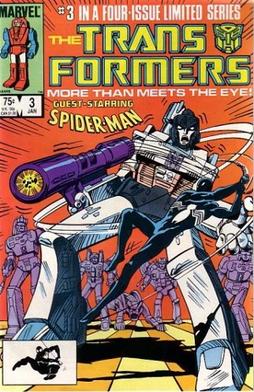
The franchise has been told through many formats: animated series, comic books published by several companies, theatrical live-action films, video games and novels. Film adaptations brought the property to a wide global audience beginning in the 21st century, and other animated branches explored different timelines and tones (for example, stories emphasizing "beast" forms). Transformers remain a visible part of popular culture and merchandising.
Types, collecting and legacy
- Common classifications: Autobots vs. Decepticons; vehicle-based vs. beast-based figures (toy collectors often use these).
- Collectors value original releases, limited editions and figures with complex engineering. Enthusiast communities preserve documentation and restoration techniques.
- Key milestones include the franchise's original launch (origins), successive animated series, comic runs and blockbuster movies (studio adaptations).
Transformers endure because the premise—machines with personalities that shift between modes—combines tactile play with serialized storytelling. New generations continue to discover the characters through toys, streaming cartoons, comics and films. For more structured references and official resources, consult the brand owner and major franchise histories (vehicles and animals, weapons and tools, fictional characters) and retrospectives that examine changes in design, marketing and media strategy since the franchise began in 1984.
Questions and answers
Q: What are Transformers?
A: Transformers are make-believe robots made by Hasbro.
Q: Where do Transformers come from?
A: Transformers come from a planet called Cybertron.
Q: What are the two main types of Transformers?
A: The two main types of Transformers are Autobots and Decepticons.
Q: Who is the leader of the Autobots?
A: The leader of the Autobots is Optimus Prime.
Q: Who is the leader of the Decepticons?
A: The leader of the Decepticons is Megatron.
Q: What can Transformers transform into?
A: Transformers can transform into different things like cars, planes, guns, and animals.
Q: When were Transformers first made?
A: Transformers were first made in 1984.
Related articles
Author
AlegsaOnline.com Transformers (franchise): toys, fiction, and cultural impact Leandro Alegsa
URL: https://en.alegsaonline.com/art/101153