
Greater Toronto Area
The Greater Toronto Area (GTA) is Canada’s largest metropolitan region, centered on Toronto and including surrounding regional municipalities. It is an economic, cultural and transportation hub with diverse communities.
Overview
The Greater Toronto Area (GTA) is the metropolitan region centered on the City of Toronto and the adjacent regional municipalities. As a metropolitan area, the GTA is the most populous urban region in Canada. It functions as a national centre for finance, higher education, technology, culture and immigration, and is a common destination for newcomers.
Image gallery
10 Images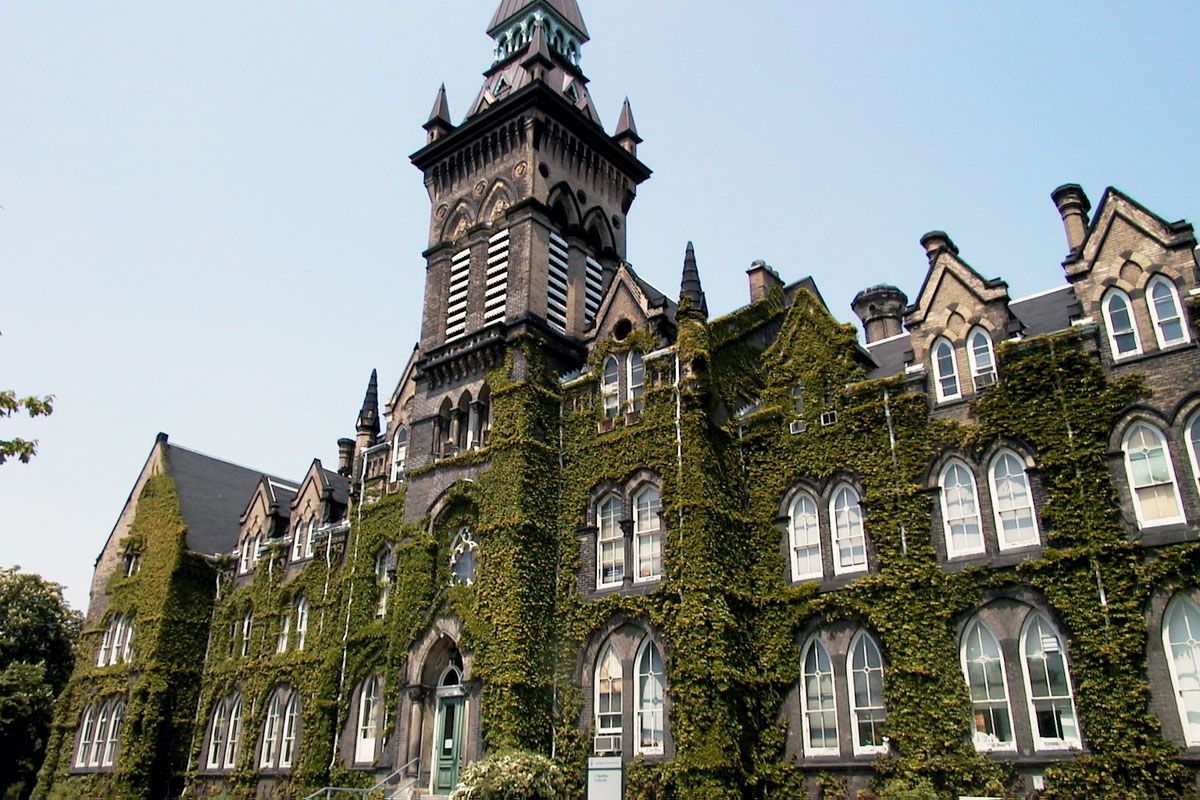


Geography and composition
The GTA comprises the City of Toronto plus the regional municipalities of Peel, York, Durham and Halton. It includes many large suburban cities and towns; the phrase surrounding cities is often used to describe communities that form the contiguous urban area. Prominent municipalities within the GTA include Mississauga, Brampton, Markham and Vaughan. Administrative boundaries and local identities vary, and some definitions differ from broader planning regions such as the Greater Golden Horseshoe.
Population and culture
The region is notable for its cultural diversity and large immigrant communities. A variety of languages, faiths and cultural institutions shape neighbourhood life and festivals across the GTA. Post-secondary institutions, research centres and arts organizations contribute to a broad cultural and intellectual landscape.
Economy and institutions
The GTA is an economic engine with major sectors in banking and finance, information and communications technology, film and television production, advanced manufacturing and professional services. Headquarters, regional offices and research facilities are concentrated in and around downtown Toronto, while suburban centres host logistics, manufacturing and technology parks.
Transportation and infrastructure
Transport networks include highways, municipal transit systems, regional commuter rail, and a major international airport serving the region. These systems influence commuting patterns, land use and economic connections within the GTA and beyond.
Governance, planning and challenges
Multiple municipalities and regional governments require coordination for land use, transit, environmental protection and housing. Regional planning tools, protected greenbelt areas and municipal policies shape growth. Key challenges include housing affordability, expanding transit capacity, environmental resilience and intergovernmental coordination.
- Major municipalities: Mississauga, Brampton, Markham, Vaughan.
- Related topics: the concept of a metropolitan area, the City of Toronto, and broader Canadian regions (Canada).
- Other communities and suburban centres: surrounding cities and towns.
Related articles
Author
AlegsaOnline.com Greater Toronto Area Leandro Alegsa
URL: https://en.alegsaonline.com/art/40605