
Toyota 4Runner
A body-on-frame sport utility vehicle from Toyota introduced in 1984, evolved from the Hilux pickup. Known for off-road durability, V6 powertrains, and a long production run with multiple generations and trim variants.
Overview
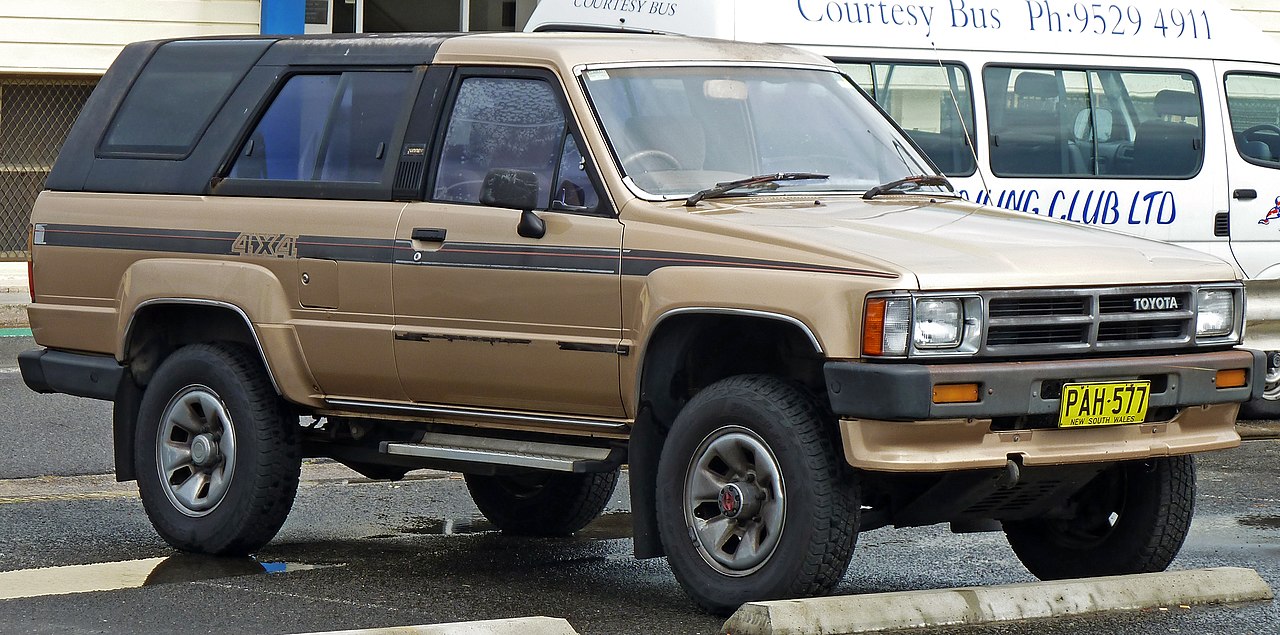
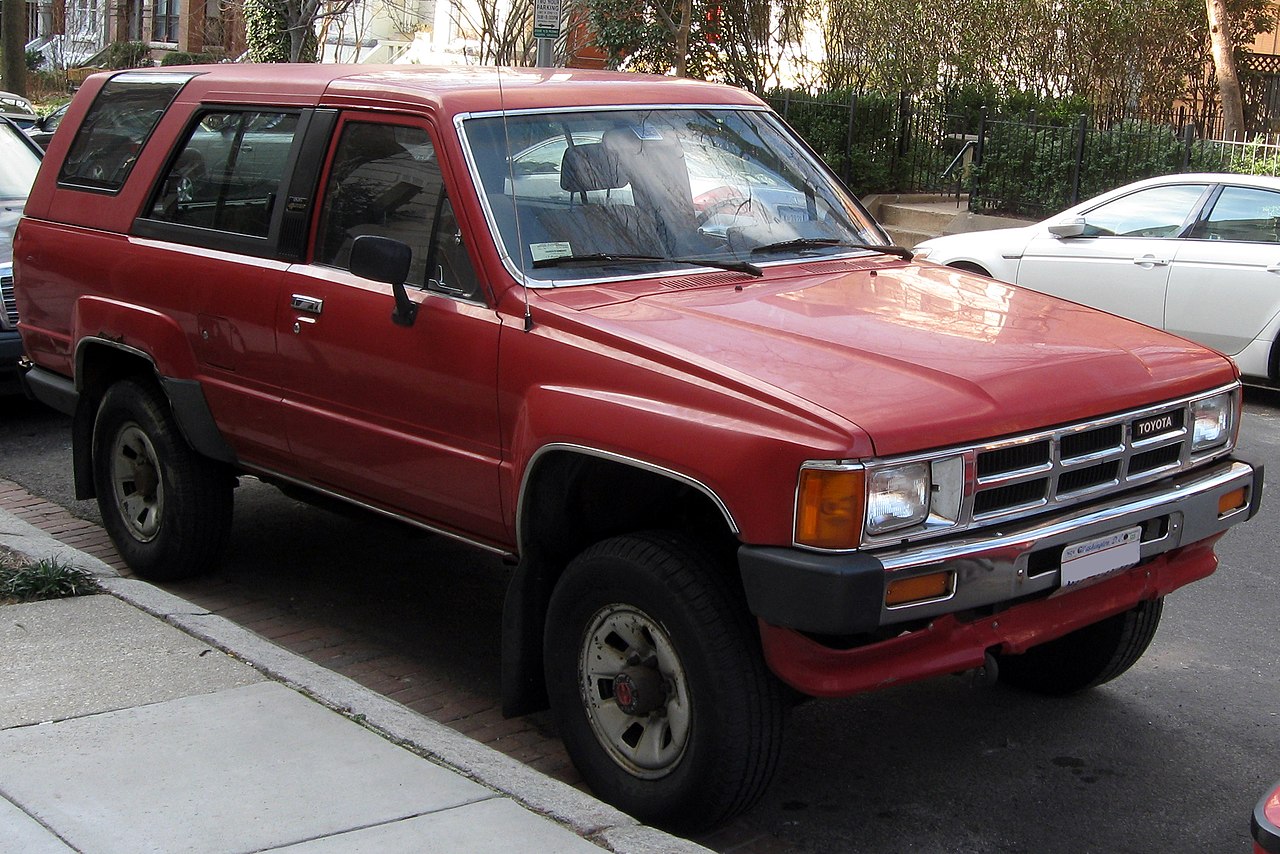
The Toyota 4Runner is a sport utility vehicle produced by Toyota since 1984. Originally conceived as a camper-style adaptation of the Toyota Hilux pickup, the 4Runner combined a pickup chassis with a removable or fixed enclosed rear body to create an early compact SUV. Over several redesigns it grew into the mid-size, body-on-frame SUV known today for its durability and off-road capability. For official information and current model details see the manufacturer's materials: Toyota 4Runner overview.
Image gallery
10 Images




Design and key characteristics
The 4Runner has traditionally used a body-on-frame construction derived from Toyota's truck platforms. Early models used four-cylinder engines, with a V6 becoming available in 1988 to offer stronger on-road performance and towing capacity. Configurations have included two-door and four-door bodies, although two-door versions were phased out in the early 1990s. Drive options typically include rear-wheel drive with part-time or full-time four-wheel-drive systems for off-road use.
History and evolution
The model's life is often described in generational steps, each bringing changes in size, interior comfort, and capability. The first 4Runner models (mid-1980s) were compact and closely tied to pickup parts; later generations enlarged the cabin and improved ride quality while retaining the truck underpinnings. Toyota has periodically refreshed styling, chassis tuning, and drivetrain choices to respond to market trends and stricter safety and emissions rules. For historical summaries and deeper timelines consult manufacturer and archival resources: Toyota corporate history and production site overviews: manufacturing locations.
Trim levels, uses and examples
The 4Runner is offered in several trims that emphasize either comfort or capability. Higher-trim and special-edition versions focus on off-road performance, with suspension tuning, skid plates, locking differentials and other enhancements. The vehicle is used both as a daily family hauler and as a platform for outdoor recreation and overlanding. Enthusiasts frequently modify 4Runners with lift kits, larger tires, and roof accessories to suit trails and camping.
Market position and competitors
Throughout its life the 4Runner has competed with other truck-based SUVs such as the Nissan Pathfinder, Jeep Grand Cherokee and Chevrolet Blazer. Its blend of ruggedness, resale value and aftermarket support have kept it popular among buyers seeking a durable, off-road-capable sport utility. For model comparisons and market context see reviews and comparison guides: comparison resources and vehicle review portals.
Notable facts: production has taken place at multiple Toyota facilities; early 4Runners were two-door camper conversions while later models standardized four-door layouts. The model's longevity and conservative evolution have given it a reputation for reliability and strong aftermarket support.
Related articles
Author
AlegsaOnline.com Toyota 4Runner Leandro Alegsa
URL: https://en.alegsaonline.com/art/100967