
Tomb of Absalom (Yad Avshalom): monument in the Kidron Valley, Jerusalem
A striking ancient funerary monument in the Kidron Valley traditionally linked to Absalom, son of King David. Noted for its mixed classical and local architecture and its location beside other Mount of Olives tombs.
The Tomb of Absalom, commonly called Yad Avshalom in Hebrew, is a prominent rock-cut and freestanding monument in Jerusalem's Kidron Valley. It occupies a visible position on the slope below the Mount of Olives and forms part of a cluster of ancient funerary monuments. While local tradition identifies the site as the grave of Absalom, son of King David, archaeological study and stylistic comparison place the surviving monument in the late Second Temple period rather than in the early Israelite monarchy. For the Hebrew name and traditional claims see Yad Avshalom, and for broader references to the monument as a grave see grave.
Image gallery
10 Images





Description
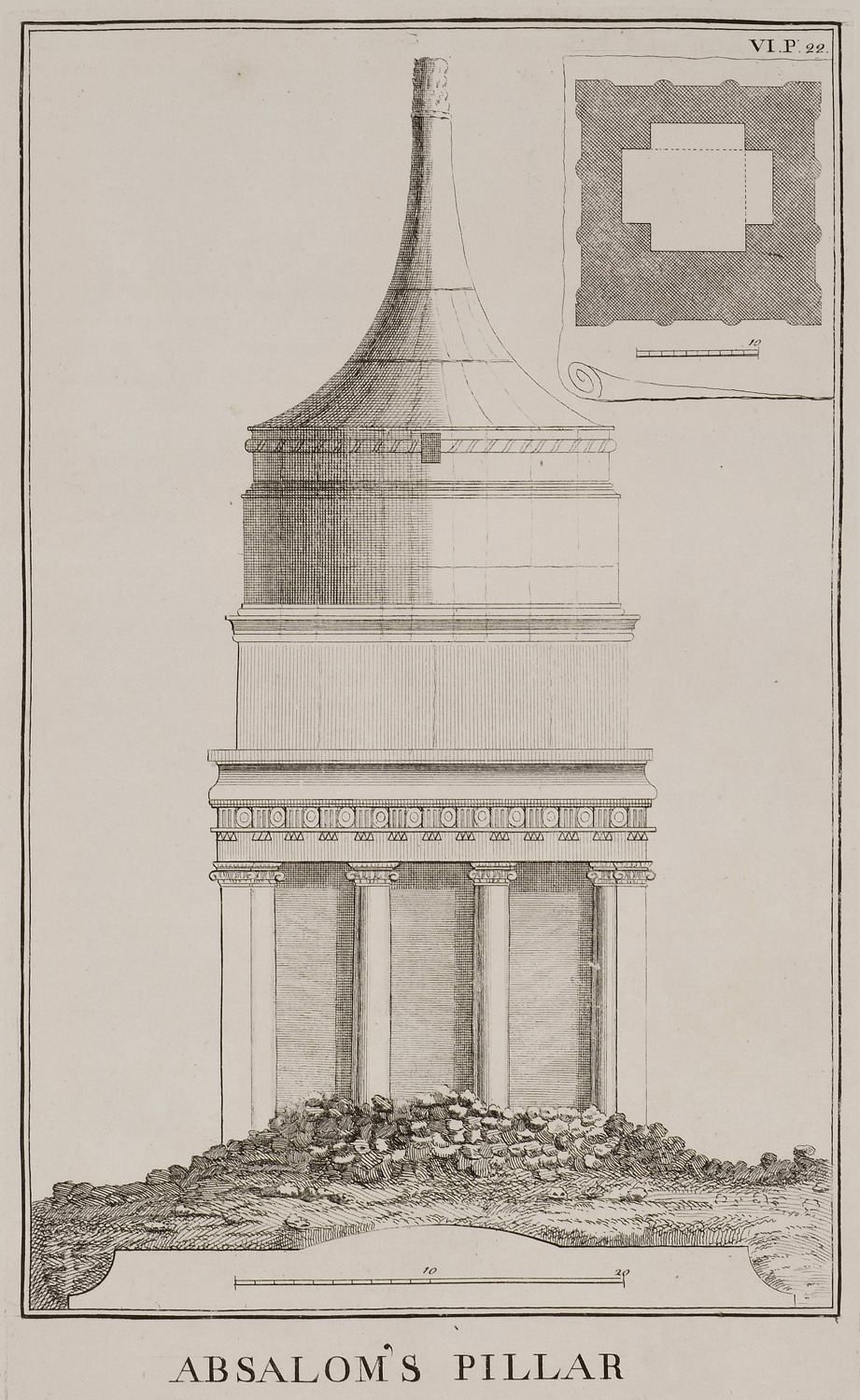
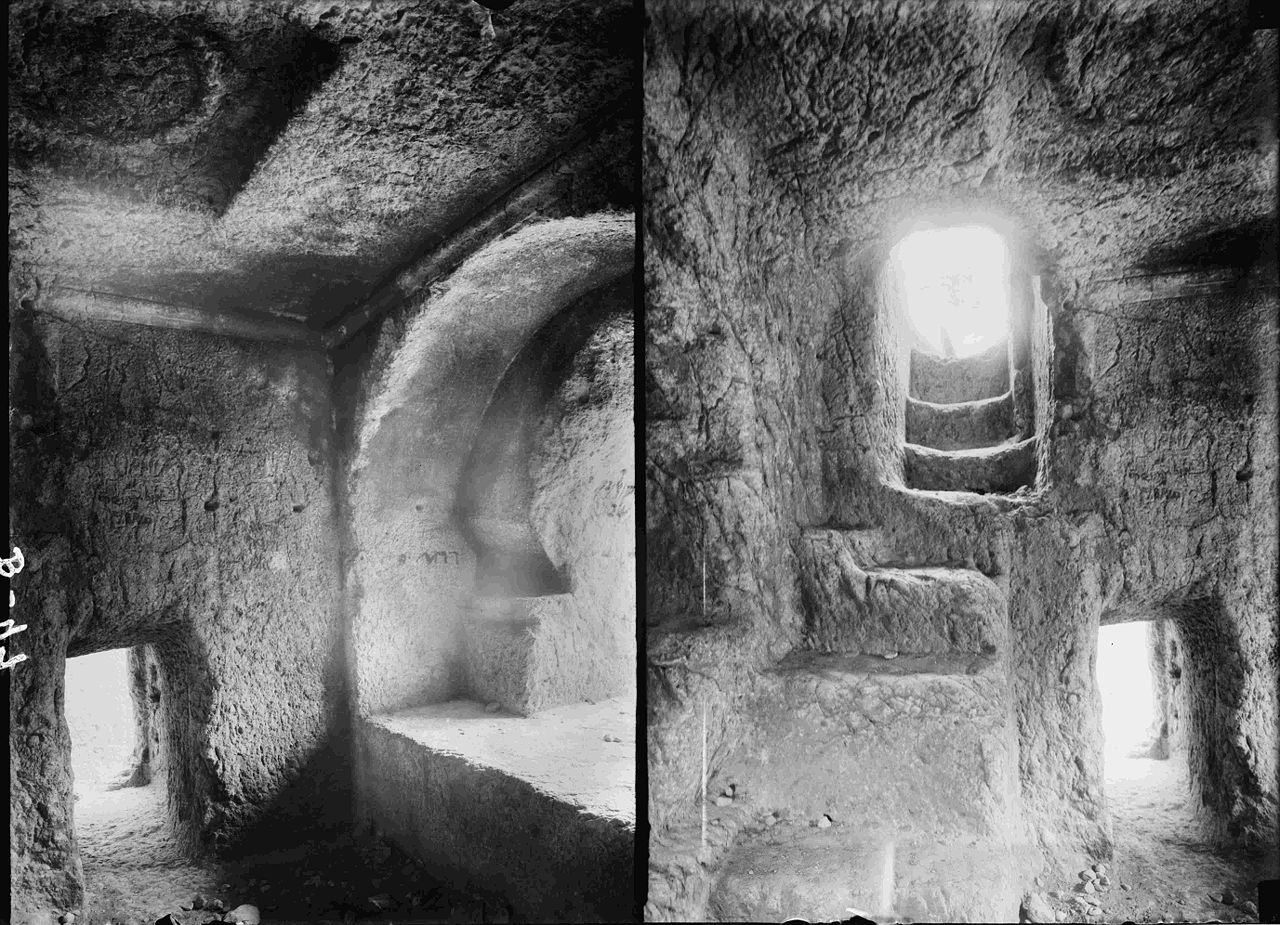
The structure combines a hewn rock tomb and a dressed stone superstructure. Its façade features columns and a decorative entablature, and it is surmounted by a distinctive stepped conical roof that gives the monument its familiar silhouette. Inside the rock face are burial chambers and niches, typical of tombs cut into the soft local bedrock. Key visible elements include:
- an ornate entrance façade with classical motifs,
- a square base leading to a rounded tholos-like upper section, and
- a carved cone or cupola crowning the monument.
History and tradition
The Bible mentions that Absalom erected a pillar in the King's Valley, and medieval and later Jewish, Christian and Muslim tradition associated that verse with this site. Modern archaeologists and historians generally assign the surviving stonework to the first centuries BCE–CE based on stylistic parallels with other Jewish funerary architecture. The association with the biblical Absalom persists as a potent cultural and devotional identification rather than as proven historical fact; the monument’s artistic language reflects Hellenistic and local influences common to the region of Judaea in the late Second Temple era. For the religious context see Jewish religion.
Location, context and significance
The monument stands adjacent to other notable tombs in the same area, including the so-called Tomb of Zechariah, and it forms part of the large historic Jewish cemetery on the Mount of Olives. Visitors encounter the site in the Kidron Valley just east of the Old City; signage, scholarly guides and local tradition all highlight its prominence. For its proximity to neighboring monuments see Tomb of Zechariah and for cemetery context see Mount of Olives Jewish Cemetery. The general setting is within the urban and sacred landscape of Jerusalem.
Today the Tomb of Absalom is valued for its architectural distinction, its long cultural afterlife in Jewish and Christian imagination, and its role in illustrating how ancient funerary practice in Jerusalem blended local and Mediterranean design elements. Conservation and access are managed in ways that balance archaeological study, religious sensitivity and tourism.
Related articles
Author
AlegsaOnline.com Tomb of Absalom (Yad Avshalom): monument in the Kidron Valley, Jerusalem Leandro Alegsa
URL: https://en.alegsaonline.com/art/100429