
Toller Cranston — Canadian Figure Skater and Artist
Toller Cranston (1949–2015) was a Canadian figure skater and visual artist celebrated for transforming men's skating with theatrical choreography, flamboyant costumes and a lifelong commitment to the arts.
Overview
Toller Cranston (April 20, 1949 – January 24, 2015) was a Canadian figure skater and later a prominent artist. He became widely known for bringing a new level of drama, expressiveness and visual imagination to men's skating, emphasizing storytelling and musical interpretation as much as technical elements.
Image gallery
2 Images
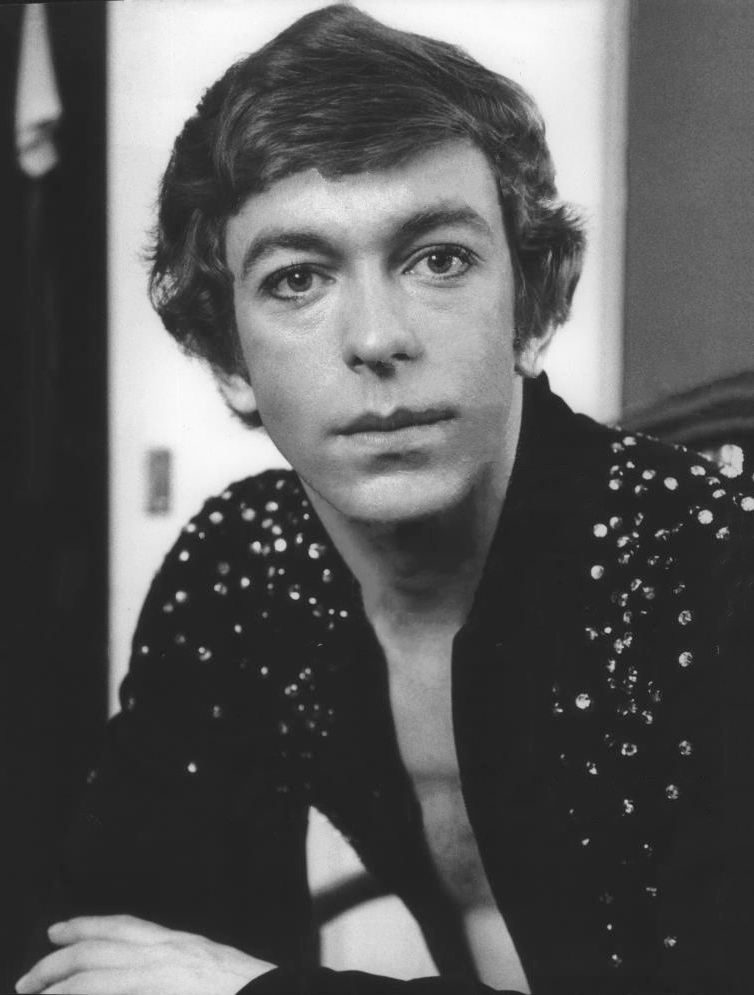
Style and influence
Cranston's performances were characterized by bold, theatrical choreography, distinctive costumes and an insistence on emotional connection with the audience. He challenged expectations of masculinity and athletic presentation in the sport, pushing judges and fans to value artistry alongside jumps and spins. His approach helped broaden the aesthetic possibilities of competitive figure skating and inspired later generations of skaters and choreographers.
Career highlights
Competing internationally through the 1970s, Cranston earned podium finishes at major events and won multiple national championships for Canada. He is perhaps best remembered for winning an Olympic medal and for being a consistent presence at World Championships during his competitive peak. Beyond placements, his legacy rests on changing how programs were conceived and how skaters expressed character and narrative on the ice.
Later life and artistic work
After retiring from competition, Cranston pursued painting and visual arts, exhibiting work and cultivating a public profile as an imaginative painter. He also worked as a commentator, choreographer and occasional coach, continuing to influence skating through choreography and public advocacy for artistic values in the sport.
Notable facts
- Renowned for flamboyant costumes and theatrical presentation.
- Helped elevate the importance of artistry in men's competitive programs.
- Maintained a dual career as both an athlete and a visual artist.
- Remains a reference point in discussions about the balance of athleticism and artistry.
Toller Cranston's impact is evident whenever figure skating programs prioritize musicality, movement quality and design. His career crossed sports and the arts, leaving a lasting impression on how skating can convey emotion, character and visual storytelling.
Questions and answers
Q: Who was Toller Cranston?
A: Toller Cranston was a Canadian figure skater.
Q: When was Toller Cranston born?
A: Toller Cranston was born on April 20, 1949.
Q: When did Toller Cranston die?
A: Toller Cranston died on January 24, 2015.
Q: What was the nationality of Toller Cranston?
A: Toller Cranston was Canadian.
Q: What was Toller Cranston's profession?
A: Toller Cranston was a figure skater.
Q: Was Toller Cranston a successful figure skater?
A: Yes, Toller Cranston was a successful figure skater.
Q: What was Toller Cranston's stage name?
A: Toller Cranston did not have a stage name.
Related articles
Author
AlegsaOnline.com Toller Cranston — Canadian Figure Skater and Artist Leandro Alegsa
URL: https://en.alegsaonline.com/art/100351
Sources
- globalnews.ca : "Legendary figure skater Toller Cranston, 65, has died"