
Toilers of the Sea (Les Travailleurs de la mer) — novel by Victor Hugo
An 1866 novel by Victor Hugo set on Guernsey. It follows the solitary hero Gilliatt as he battles the sea and society to salvage a wrecked steam vessel, exploring nature, technology, love and exile.
Overview
Toilers of the Sea (French: Les Travailleurs de la mer) is a novel by Victor Hugo, first published in 1866 while the author lived in exile on the Channel Island of Guernsey. The book combines a maritime adventure with moral and philosophical reflection. At its centre is Gilliatt, a skilled but isolated local who undertakes an extraordinary physical and moral task to recover a sunken ship’s machinery and to prove himself to the community and the woman he loves.
Image gallery
5 Images


Setting and plot elements
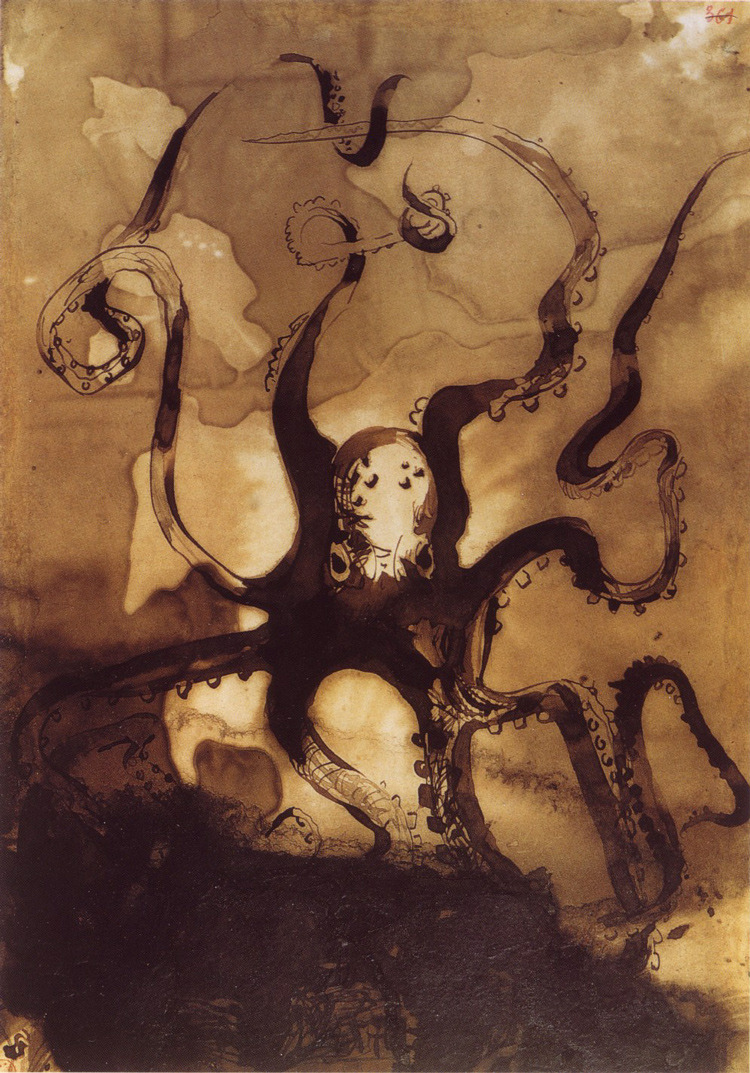
The story is set against the rugged coastlines, reefs and tidal seas around Guernsey. Much of the drama arises from the hostile interaction between human ambition and unforgiving natural forces: storms, high tides and the dangers of diving and salvaging in cold, surf-swept waters. Hugo stages scenes of intense physical struggle and details of maritime life, and the narrative includes memorable encounters with sea creatures that emphasize the wildness and mystery of the ocean.
Style, themes and structure
Hugo blends Romantic grandeur with close, often scientific description. Long descriptive passages and philosophical digressions are interwoven with the plot; this encyclopedic tendency is typical of his later work. Major themes include the individual versus society, courage and sacrifice, the relationship between technology (steam power) and nature, and spiritual redemption. A famously vivid chapter on an octopus exemplifies Hugo’s interest in natural history and symbolism.
Characters and significance
The central figure, Gilliatt, is portrayed as an outsider and a craftsman whose knowledge of the sea and machines allows him to attempt what others deem impossible. Secondary figures include the shipowner’s circle and the woman whose fate motivates Gilliatt’s efforts. The novel is notable for elevating the technical challenge of salvage to the level of moral trial, and for its sympathetic attention to labor, skill and solitude.
Publication, reception and adaptations
Published in 1866, the novel has been translated into many languages and has attracted readers for its dramatic sea scenes and moral depth. It has been adapted for stage and screen on multiple occasions; readers can consult collections of texts and translations or surveys of film adaptations for versions that bring Hugo’s coastal world to performance. Critical reception has varied: some praise Hugo’s imagination and descriptive power, while others critique the book’s lengthy digressions.
Notable facts
- Written during Hugo’s exile in Guernsey, the book celebrates a specific island landscape and seafaring culture.
- Its combination of technical detail about steam machinery and lyrical nature writing is distinctive among Hugo’s novels.
- The work has influenced later maritime literature and remains a frequently cited example of literature about human struggle against nature.
Related articles
Author
AlegsaOnline.com Toilers of the Sea (Les Travailleurs de la mer) — novel by Victor Hugo Leandro Alegsa
URL: https://en.alegsaonline.com/art/100271