
Uncle Tom's Cabin — Harriet Beecher Stowe's 1852 anti‑slavery novel
An accessible overview of Harriet Beecher Stowe's Uncle Tom's Cabin: plot, themes, 1852 publication, reception, influence on abolitionism and later controversies over racial stereotyping.
Overview
Uncle Tom's Cabin, published in 1852, is a landmark novel by Harriet Beecher Stowe. Written as a protest against slavery, it was serialized then issued in book form and quickly reached a very wide audience in the United States and abroad. Its vivid depictions of enslaved people's lives and moral appeals helped shape public discussion in the 1850s and intensified sectional debate between the Northern and Southern states.
Image gallery
10 Images


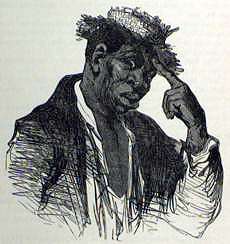


Plot and principal characters
The novel follows several interwoven storylines centered on enslaved people and their families. The title character, Uncle Tom, is a devout, dignified man whose trials are contrasted with Eliza's dramatic escape and other episodes that show how slavery affected ordinary lives. Stowe uses both pathos and melodrama to engage readers' sympathies.
- Uncle Tom — the central figure whose faith is tested.
- Eliza — a mother who flees to save her child.
- George Harris — an educated man seeking freedom.
- Eva — a compassionate child who befriends Tom.
- Simon Legree — a brutal slaveholder who embodies cruelty.
Publication, reception and historical context
Appearing at a moment of growing tension over slavery, the book arrived when debates about labor, rights and national direction were fierce. Supporters of abolitionism praised its moral urgency, while many in the South attacked its accuracy. Contemporary accounts link the novel to heightened sectional feeling that contributed to the outbreak of the American Civil War, and legend holds that President Lincoln greeted Stowe with a famous remark about "the little lady who started this great war."
Themes and literary approach
Stowe wrote in the sentimental tradition, aiming to move readers to action through emotion and religious argument. The narrative emphasizes Christian values — especially Christian charity and love — and presents slavery as a moral abomination that corrupts both victims and perpetrators. The book also draws on familiar biblical imagery and moral examples, and it became one of the most widely read works of the century after the Bible in some markets.
Adaptations, influence and criticism
Uncle Tom's Cabin inspired stage adaptations, debates in the press, and counter‑novels that defended slavery. Its popularity helped recruit sympathy for anti‑slavery causes but also contributed to enduring debates about representation. Over time, critics have faulted Stowe for creating simplified or sentimental portrayals that amount to racial stereotypes and for limiting Black characters' agency. Some modern readers recognize both the book's historical importance and its problematic aspects.
Legacy
As a cultural artifact, the novel remains studied for its rhetorical strategies, role in nineteenth‑century politics, and influence on subsequent literature and popular culture. Scholars examine how Stowe's work combined moral persuasion with storytelling and how its legacy has been reshaped by changing views on race, representation and historical memory. For further reading on the novel's place in American letters and its controversies, see introductory resources and biographies of the author here and studies of abolitionism and sectional politics here and here.
Additional resources: primary text editions, scholarly commentary and historical context are available via library guides and critical collections on slavery, literary histories of the novel, and archival materials about Stowe's life and times in the United States. For discussions of performance histories and popular responses see collections that treat theatrical adaptations and the Civil War era, biographies of Stowe and the sentimental tradition, and analyses that foreground religious themes and moral rhetoric. Readers may also consult surveys of nineteenth‑century print culture and literary influence, comparative studies that mention the book alongside the Bible in cultural reach, and critical essays addressing the emergence of the derogatory "Uncle Tom" label and related stereotypes.
Questions and answers
Q: What is the title of the novel?
A: The title of the novel is Uncle Tom's Cabin; or, Life Among the Lowly.
Q: When was it published?
A: It was published in 1852.
Q: How did it influence people's thoughts about African Americans and slavery in the United States?
A: It greatly influenced many people's thoughts about African Americans and slavery in the United States by strengthening the conflict between the Northern and Southern United States, which eventually led to the American Civil War.
Q: Who said "So this is the little lady who made this big war"?
A: Abraham Lincoln said "So this is the little lady who made this big war" when he met Harriet Beecher Stowe at the beginning of the Civil War.
Q: What message does Uncle Tom's Cabin convey?
A: Uncle Tom's Cabin conveys a message that Christian love is stronger than slavery, and that patient sentimentality can show how damaging slavery can be.
Q: How popular was Uncle Tom's Cabin?
A: Uncle Tom's Cabin was very popular; it was both one of most popular novels of 19th century as well as being second best-selling book of that century (the first one being Bible).
Q: What has been said about its impact on anti-slavery movement?
A:It has been praised for helping spread abolitionism during 1850s, however it has also been criticized for making stereotypes about black people.
Related articles
Author
AlegsaOnline.com Uncle Tom's Cabin — Harriet Beecher Stowe's 1852 anti‑slavery novel Leandro Alegsa
URL: https://en.alegsaonline.com/art/102782
Sources
- simple.wiktionary.org : strategy
- web.princeton.edu : "Sentimental Power: Uncle Tom's Cabin and the Politics of Literary History"
- bookrags.com : Introduction to Uncle Tom's Cabin Study Guide
- worldcat.org : 1537-4726
- worldcat.org : 1551-5486
- iath.virginia.edu : A Key to Uncle Tom's Cabin
- bartleby.com : Weld, Theodore Dwight.
- iath.virginia.edu : First Edition Illustrations
- sparknotes.com : sparknotes.com/lit/uncletom/
- word-detective.com : The Word Detective
- wsu.edu : "Domestic or Sentimental Fiction, 1820–1865"
- kuce.org : "Uncle Tom's Cabin,"
- links.jstor.org : "The Origins of Uncle Tom's Cabin"