
Beckton: East London district shaped by industry and regeneration
Beckton is a district in the London Borough of Newham in east London. From marshland to 19th‑century gas and sewage works, it underwent major late‑20th‑century regeneration tied to the Docklands redevelopment and the DLR.
Beckton is an area in East London, within the administrative boundaries of the London Borough of Newham. It lies roughly eight miles east of central London and Charing Cross, on land that was for many centuries low‑lying and sparsely settled. Today Beckton is a mixture of residential neighbourhoods, remnants of heavy industrial infrastructure and post‑industrial developments.
Image gallery
10 Images




Characteristics and notable features
The district combines several distinct elements: large former industrial sites, green open spaces, and purpose‑built housing from different eras. Key characteristics include:
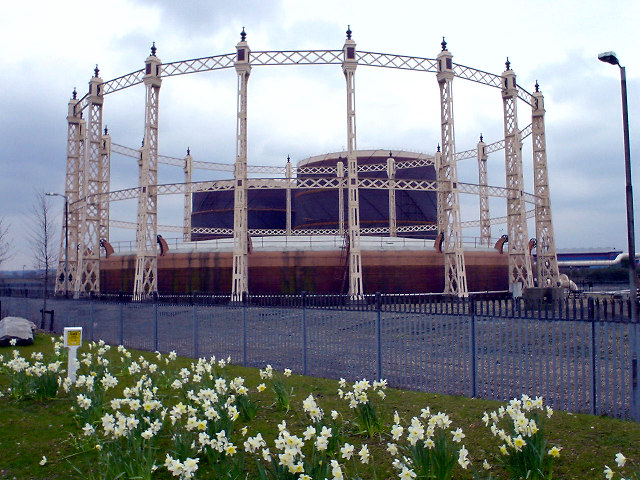
- Historic industrial footprints: major gas works and a large sewage treatment complex dominated the landscape into the 20th century.
- Planned residential areas created to provide housing for workers and, later, for commuters into central London.
- Public parks, riverfront edges and local shopping and community facilities that serve a diverse population.
Origins and industrial development
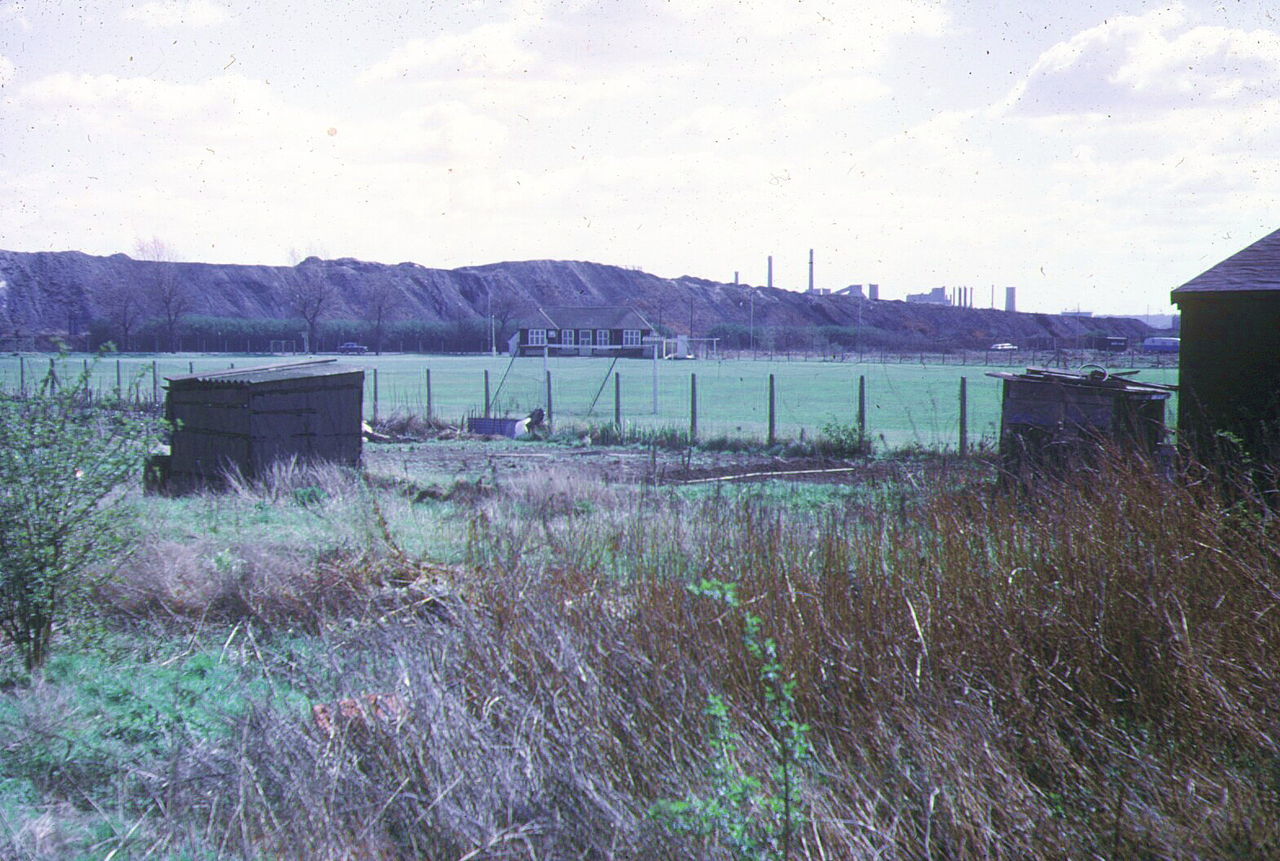
For much of its early existence the area that became Beckton was uninhabited marshland and estuarine ground. In the 19th century, industrial expansion around London led to the construction of large utility works here — most notably gas production and sewage treatment — because the low‑lying land offered space for extensive plants and convenient links to water transport. Those installations gave Beckton an industrial identity and attracted housing specifically built for workers.
Transport and late‑20th‑century regeneration
From 1981 until 1995 Beckton lay within the remit of the London Docklands Development Corporation, a body charged with regenerating former dock and industrial areas. That period saw new housing projects and improved transport connections, most visibly through the extension of the Docklands Light Railway to the area. Beckton today is served by the DLR and has its own stop: Beckton station, which links residents to the wider Docklands network and central London.
Present day and community
Modern Beckton is a mixed‑use district. Many of the old industrial sites have been repurposed or redeveloped while pockets of original infrastructure remain as reminders of the area’s past. The housing stock ranges from older council estates to newer private developments built during and after the Docklands regeneration. Local amenities include schools, shops and green spaces that support a multicultural community. Transport connections provided by the DLR and nearby roads make Beckton a residential base for people working across East and Central London.
Distinctive notes
Beckton is often cited as an example of a London neighbourhood that moved from a peripheral, industrial role into an integrated urban district through planned regeneration. Its story illustrates broader patterns in London’s growth: reclamation and industrial use of marginal land, followed by deindustrialisation and subsequent reinvention as part of the metropolitan housing and employment hinterland.
Related articles
Author
AlegsaOnline.com Beckton: East London district shaped by industry and regeneration Leandro Alegsa
URL: https://en.alegsaonline.com/art/10008