
Beed district, Maharashtra
Beed is a district in the Marathwada region of Maharashtra, India, centred on Beed city. It is semi-arid, agriculturally focused, known for Parli Vaijnath temple and long-standing development challenges.
Overview
Beed district is an administrative region in the Marathwada area of Maharashtra, India. The district headquarters is the city of Beed, and the population is largely Marathi-speaking with communities using other languages including Urdu. As an administrative district, it combines rural towns, market centres and religious sites that serve surrounding agricultural hinterlands.
Image gallery
7 Images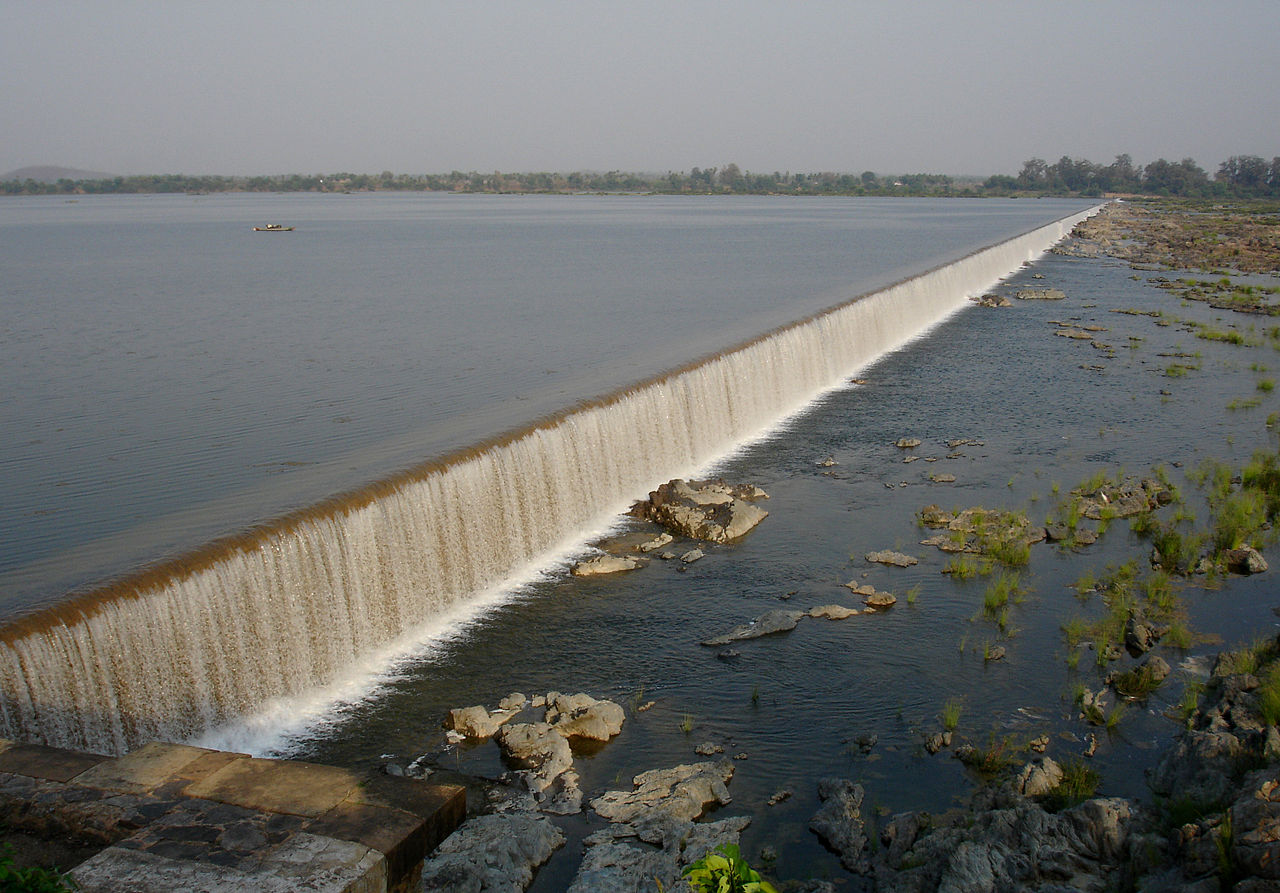


Geography and climate
Beed lies on the Deccan plateau and has a dry, semi-arid climate. Rainfall is strongly seasonal and agriculture depends heavily on the southwest monsoon. The landscape includes undulating plains and low hills; soils and water availability vary locally, so farming often relies on a mix of rainfed crops and limited irrigation where canals or wells are available.
Administration and settlements
The district is organised into several sub-district units (talukas) and contains municipal towns and many villages. Beed city is the administrative centre; other notable towns include Parli, which is a local commercial and pilgrimage centre. Villages and small towns form market and service networks that support agriculture and household livelihoods.
Economy and society
Agriculture and allied activities are the mainstay of Beed's economy. Common crops include coarse cereals, pulses and cotton in suitable areas. Animal husbandry and small-scale agro-processing also contribute to rural incomes. Local markets, educational institutions and small industry in towns provide additional employment and services.
History and cultural highlights
Beed is part of the larger Marathwada cultural region. Historically, this area experienced different phases of regional rule and became integrated into the modern Indian state in the mid‑20th century. The district hosts religious sites that attract pilgrims; a well-known example is the Parli Vaijnath temple near Parli, an important center for Shaiva worship and festivals.
Challenges and development
Recurring water scarcity, variable monsoon rains and limited irrigation make agriculture vulnerable and shape migration and livelihoods. Local and state development efforts commonly focus on water conservation, watershed management, rural infrastructure and improving access to education and health services. These measures aim to strengthen resilience and broaden economic choices beyond seasonal farming.
- Region: Marathwada, central‑eastern Maharashtra.
- Key concerns: water security, agricultural sustainability, rural development.
- Notable place: Parli Vaijnath temple and regional market towns.
Tags
Related articles
Author
AlegsaOnline.com Beed district, Maharashtra Leandro Alegsa
URL: https://en.alegsaonline.com/art/10075