
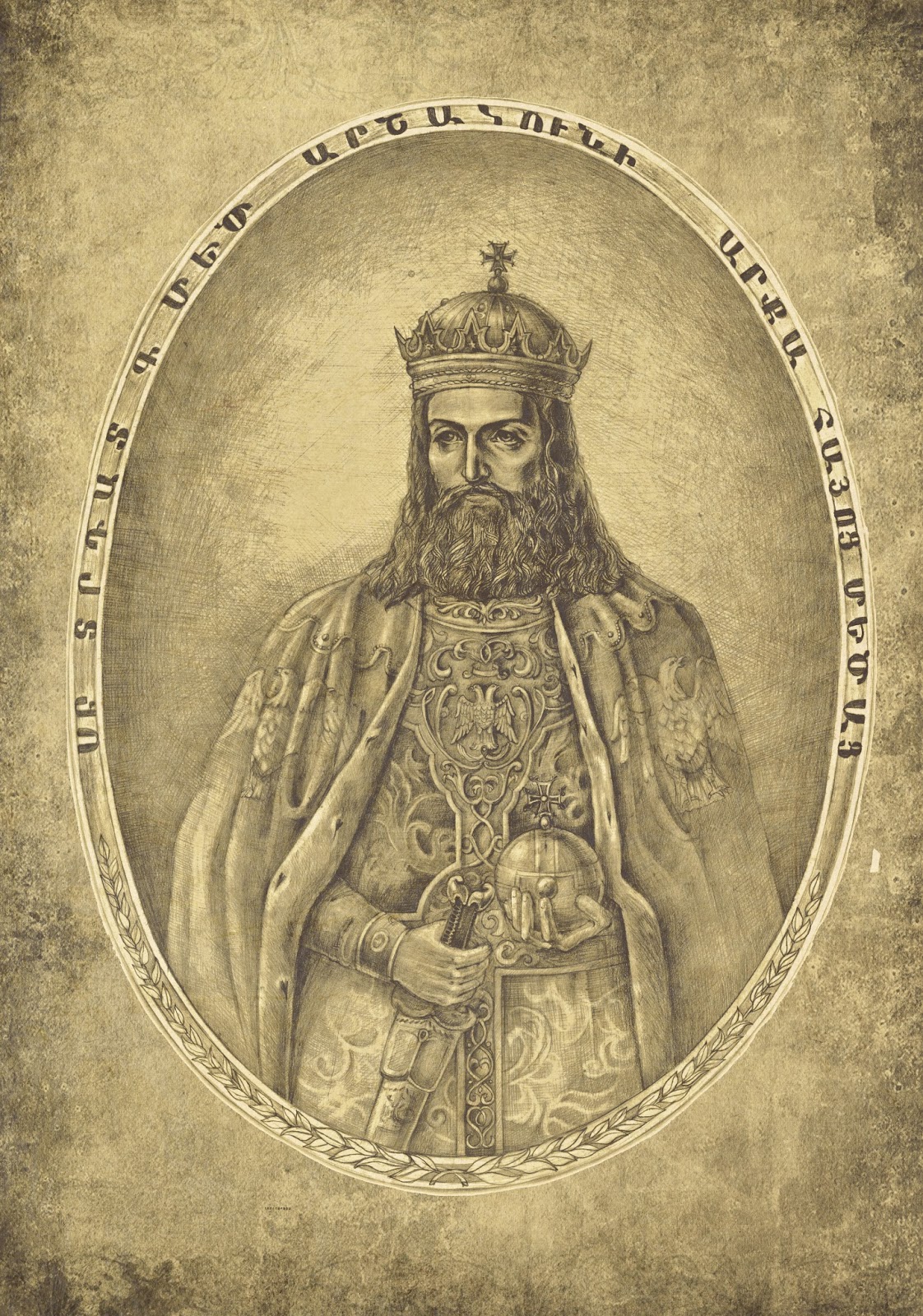
Tiridates III of Armenia (Trdat III) — King and Promoter of Christianity
Arsacid king of Armenia traditionally credited with establishing Christianity as the state religion in the early 4th century; linked with Gregory the Illuminator and Armenia's conversion amid Roman–Persian rivalry.
Overview
Tiridates III, often called Trdat III, was a ruler of the Armenian Arsacid dynasty during the turn of the 4th century. He governed as a client king amid the power struggle between Rome and Sasanian Persia. His reign is commonly dated to the late 3rd and early 4th centuries, and he is remembered largely for his association with the conversion of Armenia to Christianity and for the lasting institutional changes that followed.
Image gallery
8 Images




Reign and conversion
According to traditional Armenian accounts, Tiridates’ encounter with Gregory the Illuminator led to his conversion from the native pagan practices to Christianity. Many sources present the year 301 as a landmark when Christianity became the dominant or official faith of the kingdom, though modern historians debate the exact dating and the process by which the change took place. Tiridates ruled in a period when Armenian monarchs negotiated loyalties and influence with Rome and Persia; his Christian affiliation affected Armenia’s political and cultural orientation.
He is sometimes called Tiridates the Great and appears in manuscripts under variant forms of his name, including Trdat. His realm — historic Armenia — retained its distinct institutions while absorbing Christian belief and organization. The conversion narrative credits Gregory with founding a national church leadership and with establishing sacred centers such as the site later associated with Etchmiadzin.
Characteristics and actions
- Dynasty and status: Member of the Arsacid house ruling Armenia as a regional monarch under broader imperial pressures.
- Religious change: Instrumental in promoting Christianity within royal and elite circles, which helped shape Armenian identity.
- Political role: Balancing relations with Rome and Persia, his policies reflected both internal consolidation and external diplomacy.
Legacy and significance
Tiridates’ reign is remembered primarily for the elevation of Christianity in Armenian society. This development enabled the formation of an organized Armenian Church and influenced literature, art, and law. The claim that Armenia became the first state to adopt Christianity as its religion is widely cited in cultural and religious histories, but scholars emphasize nuance: conversion was a process rather than a single event, and dating varies across sources. His legacy remains important in Armenian national memory and ecclesiastical tradition.
Historical debates and sources
Primary accounts of Tiridates and Gregory come from later Armenian chronicles and hagiography, which combine religious interpretation with political history. Modern researchers treat those sources cautiously, cross-checking them against numismatic evidence, Roman and Persian records, and archaeological findings. For overviews and scholarly discussion see general introductions to late antique Armenia and studies of early Christian states; further references appear in works cited at specialized surveys and historical databases (dates and chronology).
Though details of the narrative vary, Tiridates III remains a pivotal figure in the formation of Armenia’s Christian institutions and in shaping the country’s medieval identity.
Related articles
Author
AlegsaOnline.com Tiridates III of Armenia (Trdat III) — King and Promoter of Christianity Leandro Alegsa
URL: https://en.alegsaonline.com/art/100071