
Tituba: enslaved woman at the center of the 1692 Salem witchcraft accusations
Tituba, an enslaved woman in Salem Village in 1692, was an early accused and confessor in the Salem witch trials. Her testimony, background, and legacy illuminate race, gender and power in colonial New England.
Tituba was an enslaved woman living in Salem Village, Massachusetts, whose arrest and confession in 1692 helped ignite the episode known as the Salem Witch Trials. Contemporary records identify her as a servant in the household of Reverend Samuel Parris. She became one of the first people accused of witchcraft in the spring of 1692 and was the earliest accused person to enter a formal confession. Her statements and the accusations she made against others contributed to the expanding wave of allegations that swept the village that year.
Image gallery
4 Images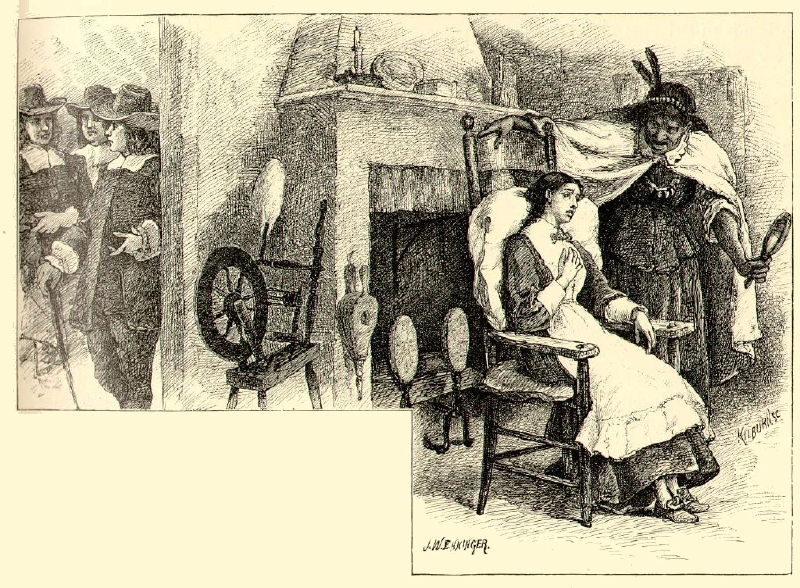

Origins and social position
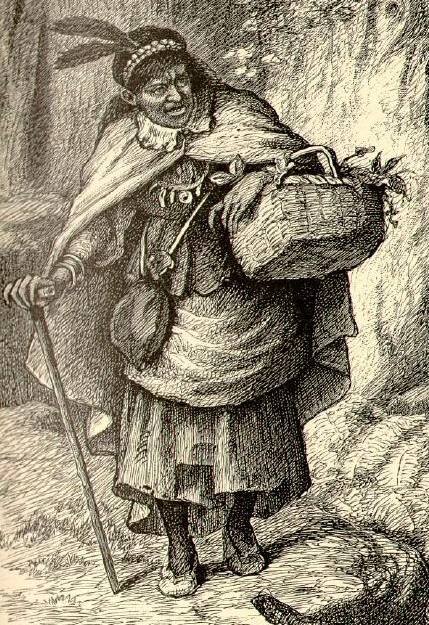
Details about Tituba’s origins are limited and debated by scholars. Colonial documents variously describe her as an "Indian" or as having Caribbean connections; many historians consider her background to be West Indian and associate her with Barbados, where African, Indigenous and European cultural practices mixed. As an enslaved woman in Puritan New England, she occupied a marginal social position—vulnerable to both legal coercion and community suspicion. It is reported that she had knowledge of storytelling, songs, or folk practices that contemporaries described as "conjuring," and she was asked by neighbors, including Ann Putnam, to perform rites intended to determine or communicate with the dead.
Accusation, confession, and role in the panic
In early 1692 Tituba was accused of unnatural acts by members of her household and community. Historical accounts indicate her confession was obtained after harsh treatment; some reports say she was beaten by her master before she made statements to magistrates. In her confession she described visions, spirits, and interactions that fit local expectations about diabolical activity. She also named other supposed witches. These admissions — whether coerced, improvised, or strategic — helped validate the fears of judges and neighbors and contributed to the rapid expansion of accusations and imprisonments that came to be called the witchcraft hysteria.
Legal outcome and later life
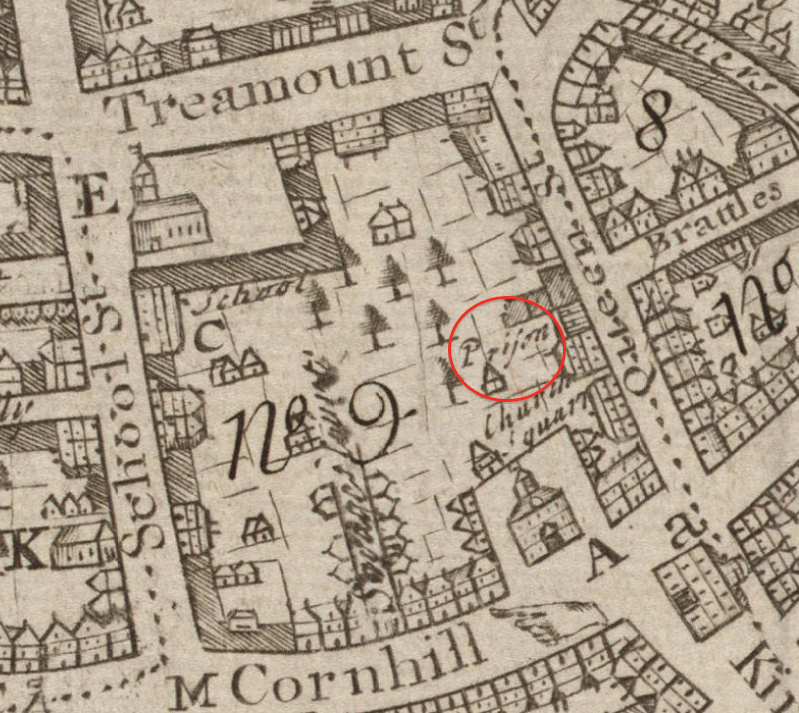
Unlike several of the accused, Tituba was not executed. She was jailed for a time and later released, but contemporary records do not clearly trace her life after release. Some accounts say she was returned to Parris’s household; others note she may have been sold or otherwise removed from the community. Because documentation of enslaved people’s lives was sparse and often fragmentary, the precise course of Tituba’s later years remains uncertain in the historical record. Legal proceedings of the period show that confession could mean imprisonment rather than immediate execution for some defendants, and Tituba’s case illustrates how outcomes varied.
Legacy, cultural representation, and historical debates
Tituba’s name endures largely through later literary and cultural portrayals, most famously as a character in Arthur Miller’s play The Crucible, where she is dramatized and altered for thematic effect. Over time she has been depicted in novels, films, and scholarship as a symbol of the complex intersections among race, gender, class, and religion in colonial America. Historians debate how to interpret her testimony: as a coerced survival tactic, a performance shaped by interrogators’ expectations, or a reflection of syncretic cultural practices. Her story prompts questions about agency under enslavement, the role of marginalized people in high-profile legal panics, and the way memory and myth shape public understanding of contested events.
Key points
- Tituba was an enslaved woman in Salem Village implicated in the 1692 witchcraft accusations.
- She was among the first accused and the first to confess; her statements helped spur further allegations.
- Her confession was obtained in a context of coercion and social pressure; exact details remain disputed.
- She was jailed and later released; her subsequent life is not well documented.
- Her figure is significant in cultural histories of the trials and in discussions about race, gender, and power.
For additional context on the broader events and to explore primary sources and scholarly interpretations, see related resources on the origins of the accusations, the dynamics of the legal proceedings, and scholarship addressing the social and cultural background of the episode.
Related articles
Author
AlegsaOnline.com Tituba: enslaved woman at the center of the 1692 Salem witchcraft accusations Leandro Alegsa
URL: https://en.alegsaonline.com/art/100140