
Tiraspol — Capital of Transnistria and Moldova’s second-largest city (de jure)
Tiraspol is a city on the Dniester River that serves as the de facto capital of the self-proclaimed Transnistrian republic and is de jure part of Moldova. It has a Soviet urban character and contested political status.
Overview
Tiraspol (Russian: Тирасполь, Ukrainian: Тираспіль) is an industrial and administrative city located on the eastern bank of the Dniester River. It is internationally recognized as part of Moldova but functions as the de facto administrative center and capital of the self-proclaimed republic of Transnistria. The city combines a late‑18th/19th century plan with extensive Soviet‑era architecture and public spaces.
Image gallery
10 Images






Geography and character
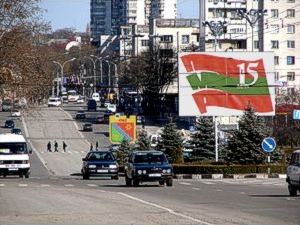
Situated on a broad bend of the Dniester, Tiraspol occupies a strategic riverside position. The urban fabric is marked by wide boulevards, apartment blocks from the Soviet period, and large public squares. Parks and riverside promenades are interspersed with factories and administrative buildings, giving the city a mixed industrial and civic profile.
History
The settlement developed from a late 18th‑century fortress and grew in importance under Russian imperial administration. It expanded substantially during the Soviet era, when industry and transport links were modernized. After the Soviet Union dissolved, tensions over sovereignty led to the 1990s conflict that produced the present unresolved status: Tiraspol is governed by Transnistrian authorities while remaining claimed by Moldova.
Administration, language and culture
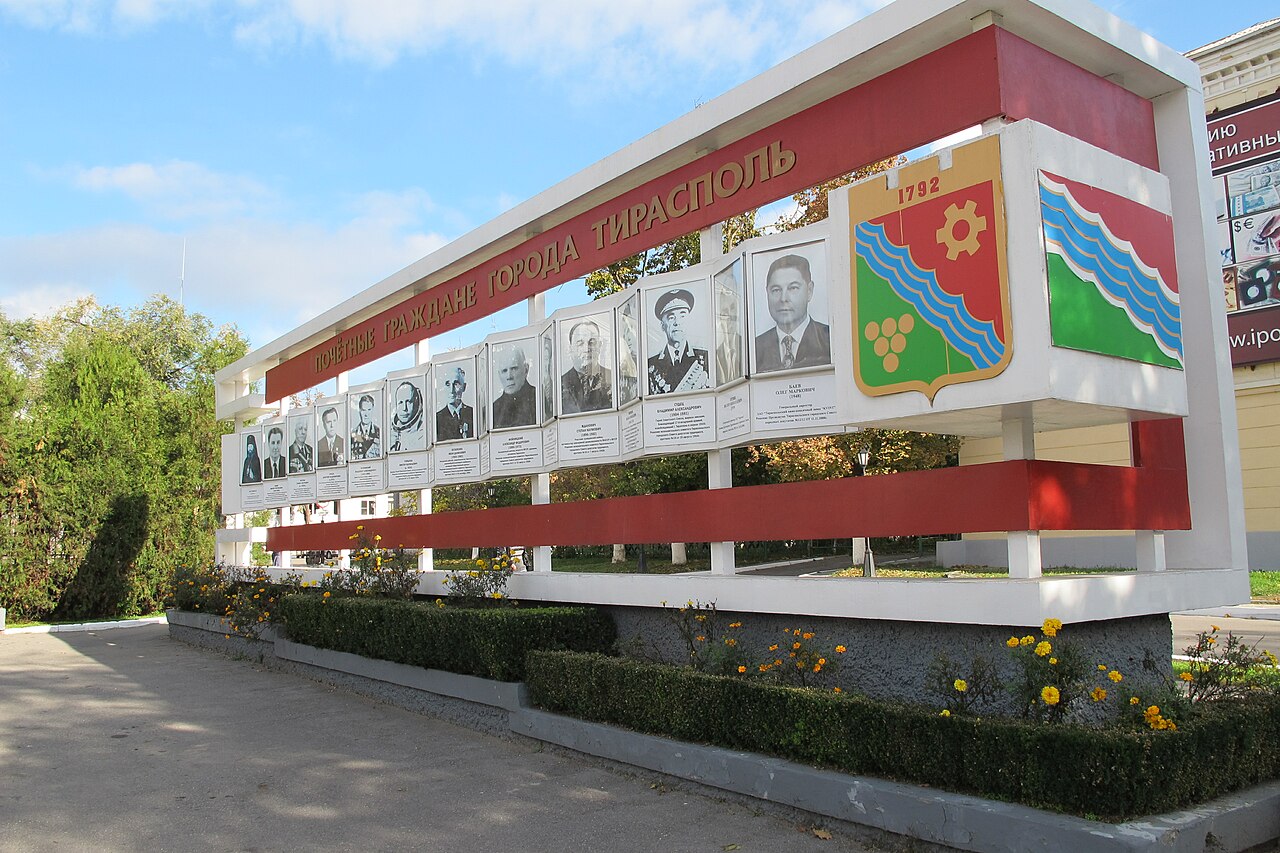
Tiraspol is home to a multilingual population in which Russian, Ukrainian and Romanian (Moldovan) are commonly used in everyday life. Cultural life retains many Soviet symbols alongside local museums, theaters and commemorative monuments. The local administration issues its own currency and runs separate institutions, reflecting the city’s de facto autonomy.
Economy, transport and landmarks
The local economy centers on manufacturing, food processing and services linked to regional administration. Transport connections include road and rail links to neighboring regions; a small airfield exists but regular international services are limited. Notable landmarks include large central squares, Soviet memorials and riverside parks that attract visitors interested in post‑Soviet urban landscapes.
Significance and contemporary issues
Tiraspol is significant as the political and economic hub of Transnistria and as a focal point of a long‑running international dispute over territory and recognition. Its contested status affects travel, investment and diplomacy, making the city an important case in studies of post‑Soviet frozen conflicts and unrecognized states.
Related articles
Author
AlegsaOnline.com Tiraspol — Capital of Transnistria and Moldova’s second-largest city (de jure) Leandro Alegsa
URL: https://en.alegsaonline.com/art/100068