
Thunder Bay, Ontario
Thunder Bay is a major city on Lake Superior in Northwestern Ontario, formed by the 1970 amalgamation of Fort William and Port Arthur; a transportation hub, regional service centre and gateway to northern wilderness.
Overview: Thunder Bay sits on the northwestern shore of Lake Superior and is the largest city in Northwestern Ontario. It had a census population of 107,909 (2016) and is the second largest urban centre in Northern Ontario after Greater Sudbury. The modern city grew where two separate urban centres once stood, connected by water, rail and road.
Image gallery
10 Images


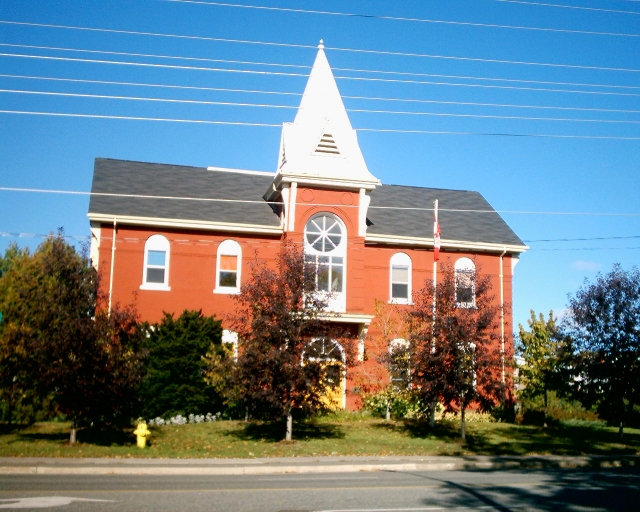
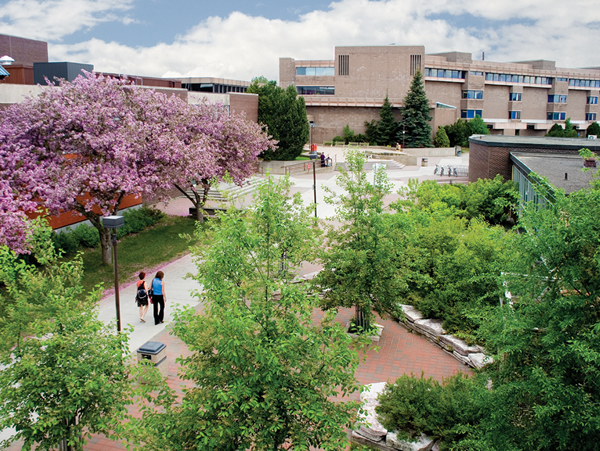


Geography and landmarks
The city occupies a harbour at the mouth of the Kaministiquia River and is surrounded by boreal forest and exposed bedrock. Notable natural features include the Sleeping Giant, a prominent rock formation visible from the city and preserved within a provincial park. Thunder Bay serves as a gateway for outdoor recreation—canoeing, hiking, fishing and winter sports are readily accessible.
History and development
Indigenous peoples, especially Anishinaabe (Ojibwe) communities, lived and traveled through the area for millennia. European settlement expanded with the fur trade and later with grain and timber export. Two neighbouring municipalities, Fort William and Port Arthur, developed on opposite sides of the harbour; they were joined with surrounding townships in a municipal amalgamation in 1970 to create Thunder Bay.
Economy and transport
Historically a grain-handling and shipping centre on the upper Great Lakes, the port remains an important transport node. Rail lines and highways link the city to Ontario and western Canada. The regional economy includes forestry, mining services, education and health care. Major learning institutions such as Lakehead University and Confederation College contribute to research and workforce development.
Demographics, climate and culture
Thunder Bay has a mixed urban and regional population, with significant Indigenous presence and a history of immigrants who came to work in shipping and industry. The climate is continental with cold, snowy winters influenced by Lake Superior. The city supports arts festivals, museums and cultural institutions that reflect local Indigenous and settler heritage.
Importance and distinctions
- Largest city in Northwestern Ontario and regional service hub (region).
- Second biggest in Northern Ontario after Greater Sudbury and a historical pair of municipalities—Fort William and Port Arthur—that formed the city.
- Transportation gateway with an active Great Lakes port, rail connections and an airport serving northern communities (national context).
For regional planning, travel details and visitor information consult local government and tourism resources or transportation guides provided by provincial and federal agencies (regional services).
Related articles
Author
AlegsaOnline.com Thunder Bay, Ontario Leandro Alegsa
URL: https://en.alegsaonline.com/art/99705
Sources
- portofthunderbay.com : "Canada's Gateway to the West"
- tbnewswatch.com : Norm Gale appointed city manager at city council meeting Monday · web.archive.org · web.archive.org
- www12.statcan.ca : "Thunder Bay, Ontario (Code 3558004) census profile"
- www12.statcan.ca : "Thunder Bay (census metropolitan area) (Code 595) census profile"
- www12.statcan.ca : "Thunder Bay (population centre) (Code 0935) census profile" · web.archive.org
- climate.weatheroffice.gc.ca : "Canadian Climate Normals 1971–2000"