
Thun: Swiss riverside city at the gateway to the Bernese Oberland
Thun is a German-speaking Swiss city in the canton of Bern, where the Aare leaves Lake Thun. Known for its castle, medieval old town and role as a regional transport and tourism hub.
Overview
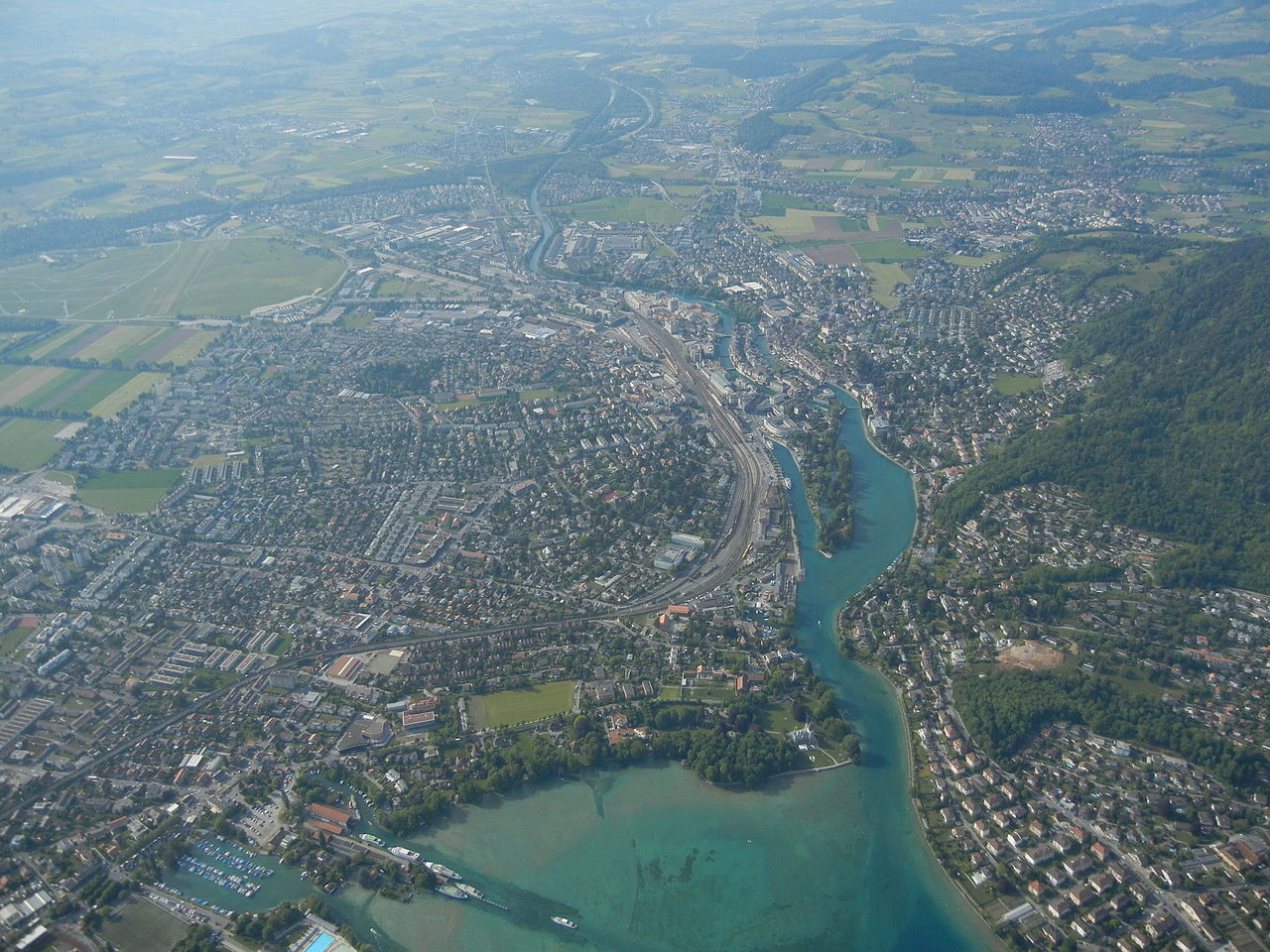
Thun (French: Thoune) is a city in the administrative district of Thun in the canton of Bern, Switzerland. Situated where the river Aare flows out of Lake Thun, the town lies roughly 30 km south of Bern and functions as a regional service and cultural centre. The municipality itself has around 43,000–45,000 residents (the wider urban area is significantly larger), and it serves as an economic and transport hub for the surrounding Bernese Oberland.
Image gallery
10 Images




Geography and urban character
Thun occupies a strategic position at the transition from lake to river, with a compact historic core on the lakeside and newer residential and industrial districts spread along the valley. The Aare, with its clear, often green-tinted water, divides parts of the town and is crossed by several bridges. The nearby foothills provide views of the Alps and easy access to mountain trails and winter sports areas.
History and development
The town developed in the medieval period around a strategic fortress and market. The most visible remnant of that era is Thun Castle, built by medieval rulers and later adapted as an administrative centre and museum. Over centuries Thun expanded from a fortified market settlement into a regional administrative and trading town, shaped by its waterways, roads and later by the railway age.
Landmarks, culture and attractions
Notable sites include:
- Thun Castle (Schloss Thun) with towers and a museum tracing local history;
- A well-preserved medieval old town with arcades, squares and riverside promenades;
- Local museums, galleries and seasonal cultural events that draw residents and visitors alike.
Economy, transport and recreation
The local economy mixes services, light industry and tourism. Thun is a transport node with rail connections to Bern and interregional lines, boat services on Lake Thun, and road links into the Alps. Outdoor recreation—boating, cycling, hiking and nearby skiing—complements the town’s cultural offerings. Sports clubs and a modest hospitality sector contribute to civic life, and Thun frequently functions as a base for exploring the Bernese Oberland.
Notable facts and distinctions
Thun is primarily German-speaking, although it is known by its French name in francophone contexts. Its castle and lakeside setting make it one of the region’s most recognisable small cities, combining historic architecture with access to alpine landscapes. For visitors and residents alike, Thun represents a blend of municipal services, outdoor opportunities and preserved medieval character.
Related articles
Author
AlegsaOnline.com Thun: Swiss riverside city at the gateway to the Bernese Oberland Leandro Alegsa
URL: https://en.alegsaonline.com/art/99702
Sources
- bfs.admin.ch : "Arealstatistik Standard - Gemeinden nach 4 Hauptbereichen"
- bfs.admin.ch : "Ständige Wohnbevölkerung nach Staatsangehörigkeitskategorie Geschlecht und Gemeinde; Provisorische Jahresergebnisse; 2018"